Voters in six states participated in primary elections on Tuesday to determine party nominees for governorships, the U.S. Senate, and the U.S. House of Representatives. In Wisconsin and Minnesota, Democratic voters chose between progressive and moderate candidates for open executive and legislative seats, while South Carolina Republicans voted for a candidate to fill the seat left vacant by the death of Sen. Lindsey Graham. The elections also included contests in Alabama, Connecticut, and Vermont.
The elections follow a period of shifting candidate fields and legislative adjustments. In Wisconsin, the Democratic primary for governor was reshaped by the late withdrawals of former Lt. Gov. Mandela Barnes and Lt. Gov. Sara Rodriguez. In Alabama, the U.S. Supreme Court's ruling on the Voting Rights Act led to a delay in House primaries until August 11, allowing for the redrawing of congressional districts.
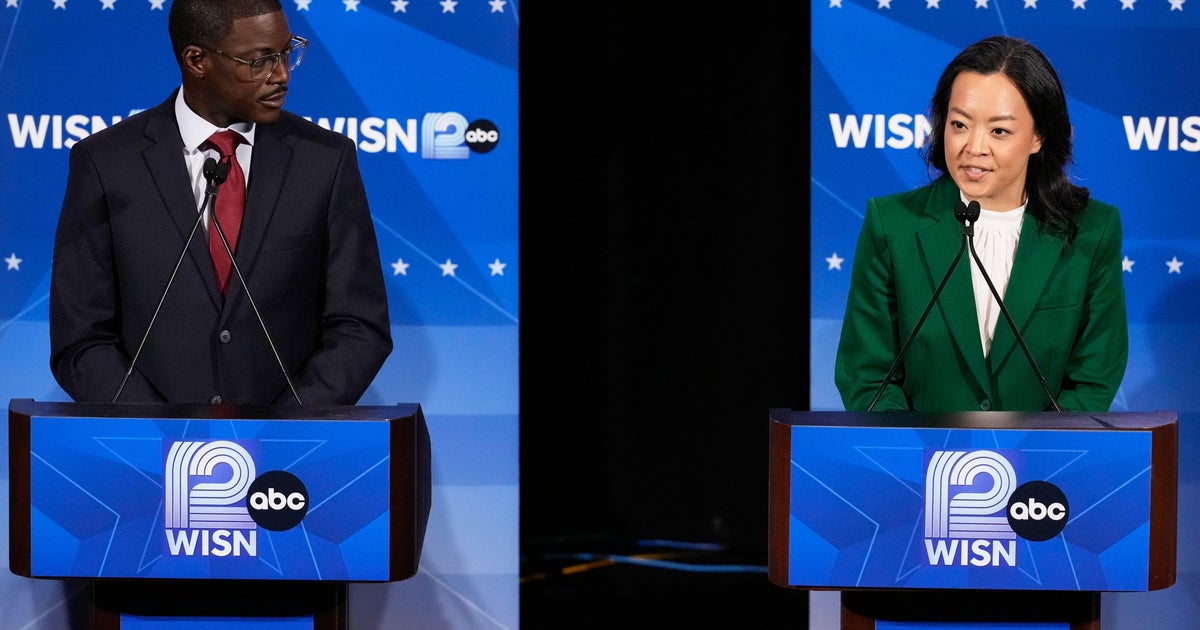
In Wisconsin, state lawmaker Francesca Hong and Milwaukee County Executive David Crowley emerged as the primary Democratic contenders for governor. Hong, supported by the Wisconsin chapters of the Democratic Socialists of America, faced criticism over past social media comments regarding policing and national institutions, some of which she has since disavowed. Crowley, who re-entered the race as a moderate after initially dropping out due to what he termed "false data," received the backing of incumbent Gov. Tony Evers. The winner will likely face Republican Rep. Tom Tiffany, who ran without significant opposition.
In South Carolina, ten Republicans competed for the nomination to replace the late Sen. Lindsey Graham. Graham's sister, Darline Graham, who was appointed to fill the seat through January, sought a full term with the endorsement of Donald Trump. She faced challengers including Reps. Russell Fry and Ralph Norman, and former Gov. Mark Sanford. If no candidate received a majority, a runoff was scheduled for later in the month to determine who would face Democrat Annie Andrews in the general election.
The results will also impact the partisan composition of the U.S. Congress. In Alabama's 2nd District, the redrawing of the map to favor Republican candidates means the approximately 700,000 residents of that district may see a change in their representation in Washington, D.C. if the seat flips from Democratic to Republican control as projected. Similarly, the open Senate seat in Minnesota is viewed by Republican leadership as a potential pickup opportunity to gain a majority in the chamber, which could shift the direction of federal policy on issues like immigration enforcement, a central theme of the campaign following federal agent-involved shootings in Minneapolis.
For individual residents, these races determine who will oversee state budgets, health care policies, and local infrastructure. In Connecticut, Gov. Ned Lamont’s primary challenge is the first such contest for an incumbent governor in that state in 50 years, signaling internal party debates over his administration's performance. The final winners of these primaries will advance to the November general election, where the ultimate decisions on leadership and policy direction will be made by the full electorate. Following Tuesday's results, any necessary runoffs, such as in South Carolina, will be conducted before the fall campaigns begin in earnest.