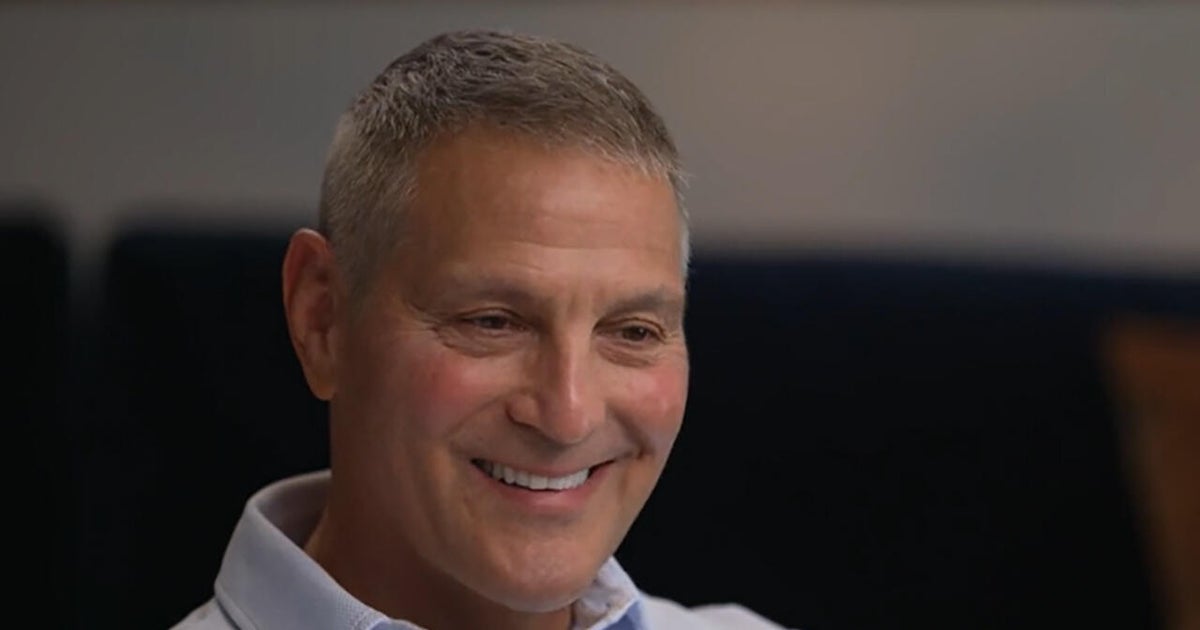
Ari Emanuel, the chief executive of WME Group and chairman of TKO, is releasing a memoir titled "Roll the Calls." The book, published by Knopf, details Emanuel's career as a Hollywood talent agent and his upbringing in a Chicago-area family.
Emanuel began his career in a talent agency mailroom, where he performed tasks such as copying scripts and making deliveries to producers and directors across Los Angeles. He eventually rose to lead WME Group, a talent agency representing clients including Denzel Washington, Adele, Matt Damon, Ben Affleck, Bruno Mars, and Adam Sandler. Additionally, through TKO, Emanuel oversees the Ultimate Fighting Championship (UFC) and World Wrestling Entertainment (WWE).
In his memoir and recent statements, Emanuel described his competitive nature and his willingness to engage in confrontation, a trait he attributes to his upbringing. He is the brother of Rahm Emanuel, the former mayor of Chicago and White House chief of staff, and Zeke Emanuel, a bioethicist and oncologist. Emanuel noted that his childhood involved high academic expectations and experiences with dyslexia, which he said shaped his defensive and sometimes aggressive approach to professional challenges.
Emanuel also addressed the future of the entertainment industry, expressing optimism despite technological shifts. He stated that storytelling remains a fundamental part of human nature and predicted that advancements such as artificial intelligence (AI) could potentially improve the industry. He acknowledged that these changes might lead to smaller writers' rooms but maintained that the volume of film and television production would likely increase.
For employees in the entertainment sector, including writers and agents, Emanuel’s perspective on industry shifts suggests a period of adaptation. He specifically noted that while he expects more content to be produced, the structure of creative teams, such as writers' rooms, may shrink in size—potentially moving from 12 members to eight. This change would impact the employment opportunities and workplace dynamics for television staff. His comments regarding AI also signal that agency leadership is preparing to integrate new technologies into the creative process, which could alter how scripts are developed and marketed.
The book also addresses themes of corporate culture and leadership styles in Hollywood. Emanuel’s description of his "red button" temper and his history of confrontational negotiations, such as a dispute with former boss Mike Ovitz, highlights the environment of talent representation. By rejecting the concept of "legacy" as "meaningless," Emanuel emphasizes a focus on ongoing business expansion and creative puzzles rather than long-term historical reputation. The memoir becomes available in various formats, including hardcover and digital, on September 22.