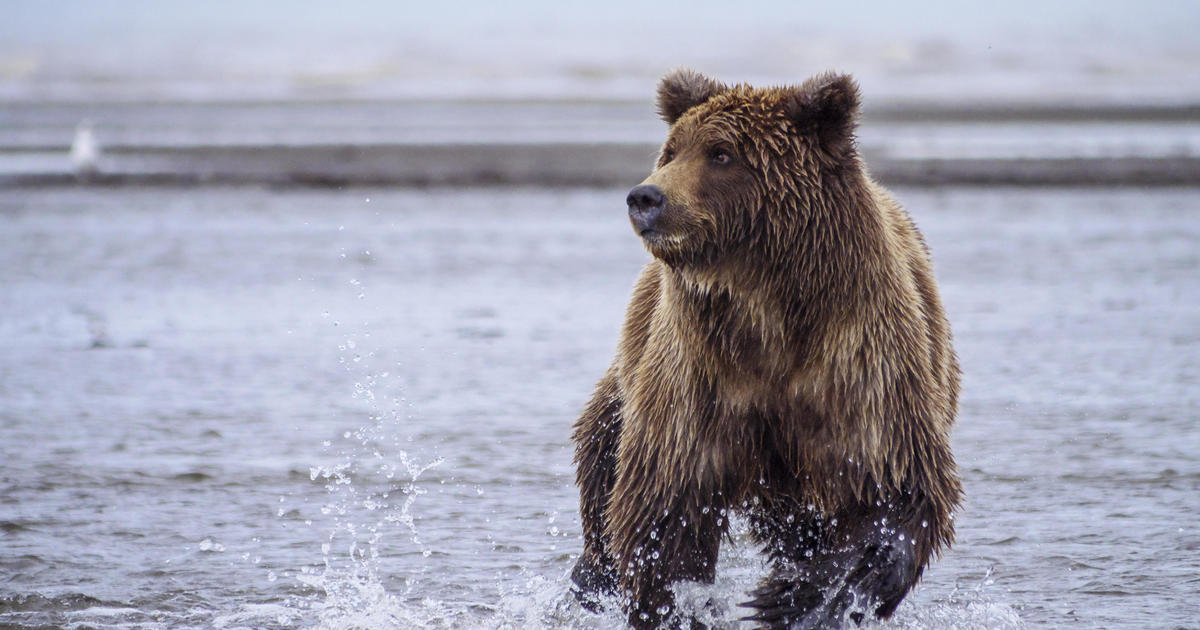
A woman was injured following a brown bear attack while running on the Wolverine Bowl Trail in Anchorage, Alaska. According to the Alaska Department of Fish and Wildlife, the incident occurred on a Thursday near the Prospect Heights trailhead. The woman utilized bear spray to deter the animal and was able to reach the trailhead without assistance before being transported to a hospital for treatment.
Alaska wildlife officials stated that biologists interviewed the woman and conducted a site visit to search for bear activity. While samples were collected at the scene, no bears were located during the investigation. The department subsequently placed warning signs at the trailhead and advised the public to avoid closed trails and areas with dense foliage that can obscure sightlines.
The state has seen multiple bear encounters in recent months. In July, a woman was injured while hiking with a friend and three dogs in southern Alaska, and a resident in Kenai was mauled after a brown bear and two cubs entered a fenced yard. In April, two soldiers were injured during a training session at Joint Base Elmendorf-Richardson. Data from the Alaska Section of Epidemiology shows that 68 people were hospitalized due to bear attacks in the state between 2000 and 2017, with brown bears responsible for approximately 96% of those incidents.
The concrete day-to-day change for trail users involves increased preparation and vigilance. The Department of Fish and Wildlife specifically urged hikers to carry bear spray and physically practice its deployment, including removing safety mechanisms and cutting away shipping ties before heading outdoors. This recommendation places a direct responsibility on the individual to maintain and understand their safety equipment to prevent injury during surprise encounters. Failure to follow these precautions in areas with high bear density could result in serious physical injury or hospitalization, as seen in the 68 documented cases over the 17-year study period.
The knock-on effects of these encounters influence state wildlife management policies and public safety messaging. Repeated attacks in popular areas like Anchorage and Kenai often lead to increased monitoring by state biologists and potential changes in how trails are managed during summer months when foliage is thick. What happens next includes the ongoing monitoring of the Wolverine Bowl Trail area by biologists. While no specific deadline for the removal of warning signs was reported, the department continues to advise the public to choose routes with high visibility and avoid areas near salmon-bearing streams to minimize the risk of further attacks.