Stand-up comedian Shane Gillis faced criticism from several women in the fitness and media industries following a monologue on “Saturday Night Live” regarding women’s gym attire. During the broadcast, Gillis described modern athletic wear as resembling “artificial bait” and stated that women at the gym “just dress like whores now.”
The remarks come amid broader public discussions regarding women’s safety, including news coverage of a recent rape case at Cornell University. While Gillis’ comments were met with laughter from some segments of the audience and support from online commenters, several women interviewed stated that the rhetoric mirrors uncomfortable real-world experiences they face while exercising.
During his monologue, Gillis specifically referenced neon-colored shorts and suggested that women film themselves for social media apps like TikTok to prevent others from looking at them. “For real, don’t look, because they are filming,” Gillis said during the performance. “I’m in the background of like 10 TikToks right now.”
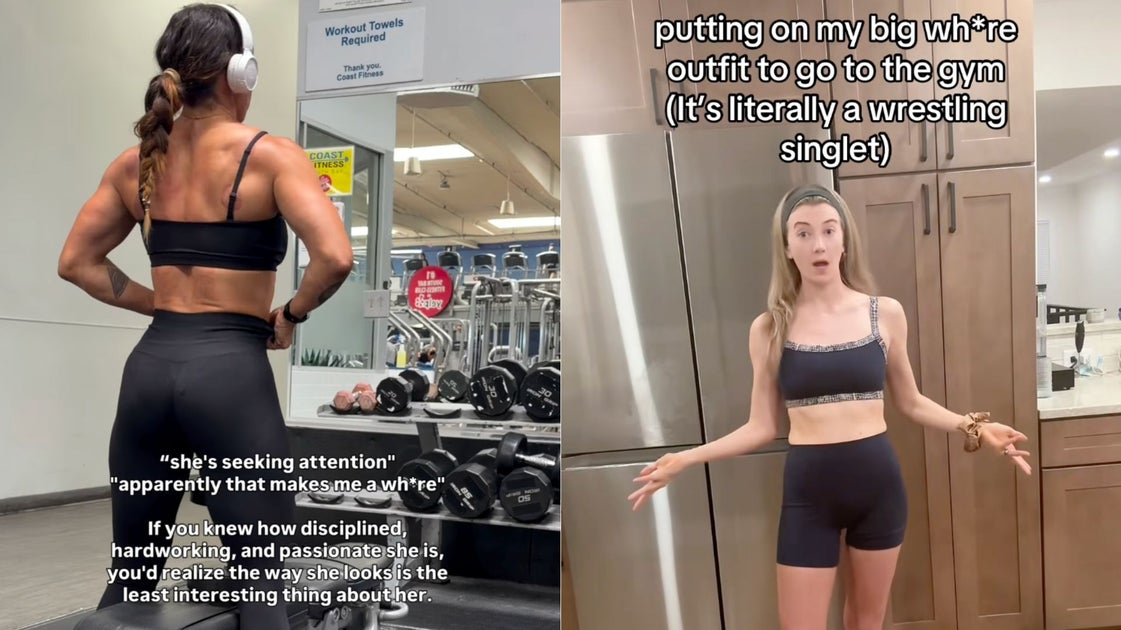
In response, women shared accounts of unsolicited comments and behavior at fitness centers. Radio host Abby Murphy reported that after posting a video wearing a wrestling doublet in response to the monologue, commenters echoed Gillis’ language, with one stating she was “dressed the part.” Other women, including fitness model Ell and creator Julia Young, described instances where men interrupted their workouts to comment on their muscle mass or correct their form, or asked for their phone numbers despite the women wearing headphones or hoodies.
The scale of the reaction is evidenced by the viral nature of the monologue and the subsequent influx of comments on social media platforms like TikTok. While specific dollar amounts were not reported, the conflict highlights a tension between the comedy industry and advocacy for women’s rights. Women like Nina Kern, a comedian in Chicago, noted that the standard for how women are perceived in public spaces is currently under scrutiny due to ongoing debates regarding women’s rights.
A person affected by this discourse might notice changes in social dynamics at their local gym or a shift in how they are addressed by strangers in public settings, such as grocery stores. As of October 14, 2026, the public debate regarding the boundaries of observational comedy continues.