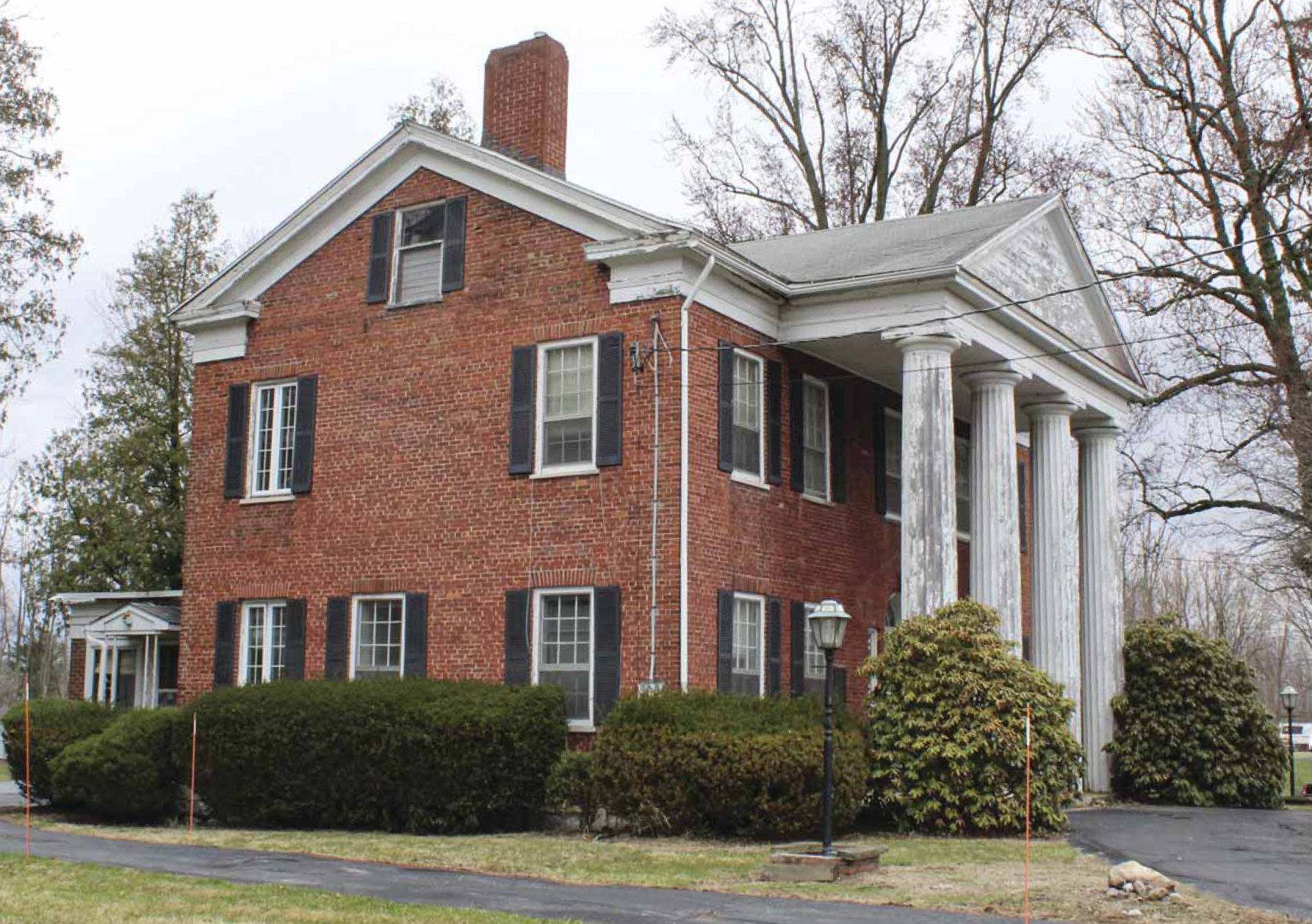
The National Trust for Historic Preservation has added the Women’s Rights National Historical Park in Seneca Falls, N.Y., to its 2026 list of the 11 "Most Endangered Historic Places." The site, which commemorates the 1848 Women’s Rights Convention, reportedly faces $10 million in deferred maintenance, including structural damage to the Hunt House and repairs needed for a memorial water wall.
The park contains the Wesleyan Chapel and the former homes of organizers Elizabeth Cady Stanton, Mary Ann M’Clintock, and Jane Hunt. According to the National Park Service, only 13 of the 433 units in the federal park system are dedicated specifically to women's history. The National Trust stated that inclusion on the endangered list is intended to mobilize public attention and secure resources for preservation.
Miranda Johnson-Haddad, president of the Friends of the Women’s Rights National Historical Park, stated that restoration would improve accessibility and educational reach. She noted that the park aims to address historical complexities, including the exclusion of Black women from the 1848 convention and the focused advocacy of some suffragists for white women's voting rights over those of Black citizens.
The park attracts approximately 30,000 visitors annually. While park leadership has highlighted ties between the suffrage movement and contemporary feminism, the Heritage Foundation has previously criticized the park's exhibits, questioning the historical accuracy of connecting the early movement to modern reproductive rights activism.