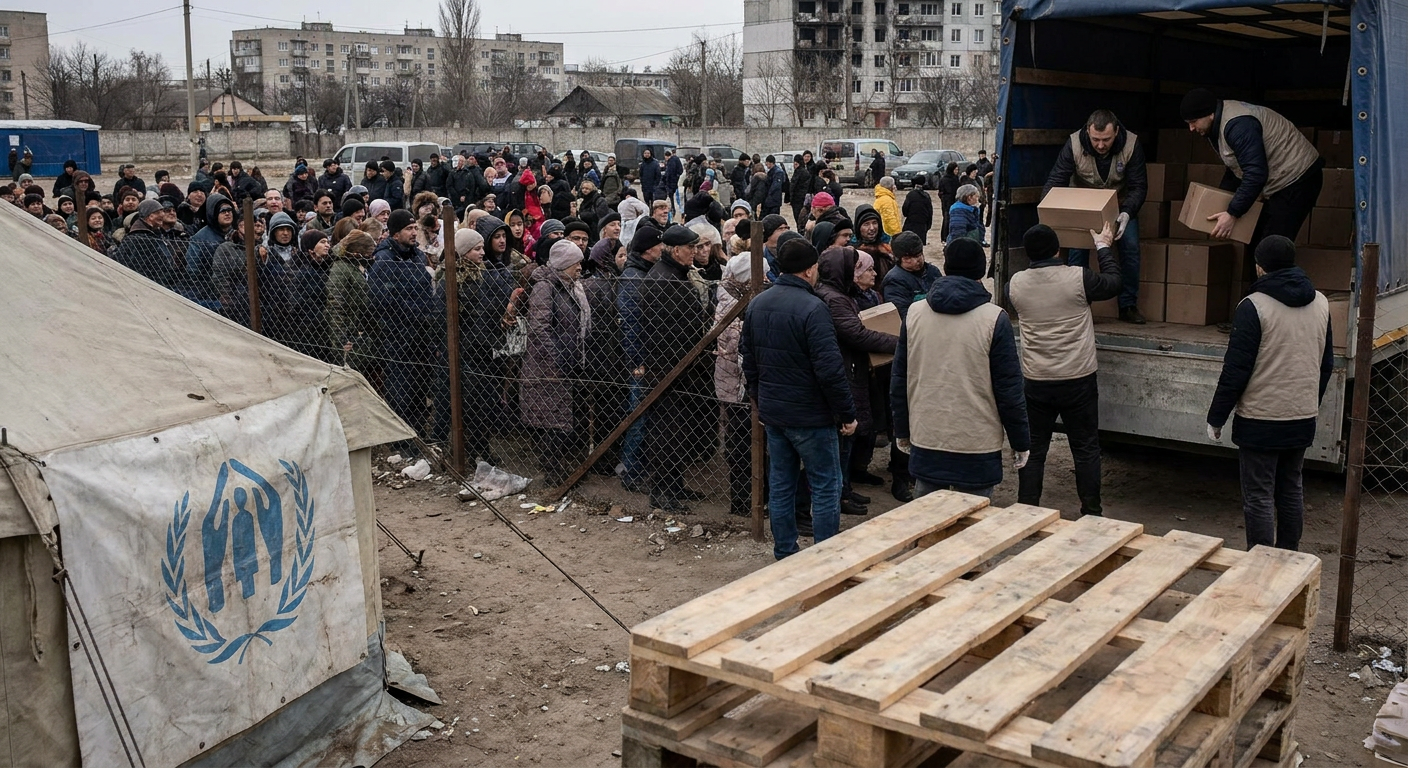
The United Nations World Food Programme (WFP) reported that approximately 1.4 million people in Gaza are currently experiencing crisis levels of acute food insecurity. Carl Skau, the acting executive director of the WFP, stated that while humanitarian efforts have previously pushed back against famine, progress is fragile and at risk of being reversed as winter approaches.
The report comes more than one year after famine was declared in parts of Gaza and a year into a U.S.-brokered ceasefire between Israel and Hamas. Skau, who recently completed his eighth trip to Gaza since the conflict began, described a lack of basic services, widespread destruction, and persistent insecurity, noting an average of 50 security incidents per day.
According to Skau, the WFP will be forced to cut assistance to approximately 500,000 people in the coming weeks. He stated that these cutbacks are not due to a lack of food or access issues, but rather a lack of funding for the operation. The WFP has been reaching nearly 2 million people per month, but the organization reports that current donor funding is no longer sufficient to sustain that scale.
The organization also reported concerns regarding the flow of commercial goods. Skau noted a five-day suspension of commercial shipments due to disagreements over taxation, though some trucks have recently begun moving again. He stated that while goods like snacks and soda are entering the territory, there is a shortage of fresh vegetables, fruits, and items requiring a cold chain, which are necessary to diversify diets and lower market prices.
For these individuals, the change will result in the loss of daily hot meals or food distributions just as winter weather begins. Skau stated that without these benefits, there will be increased pressure on a population already lacking proper shelter, fresh produce, and functional sanitation. The WFP noted that beyond immediate food needs, the lack of funding and "dual-use" restrictions—which limit the import of materials that could have military applications—prevent the restoration of water facilities, garbage collection, and the establishment of temporary learning centers for students.
The WFP is calling for international donors to provide additional funding to prevent the scheduled aid cuts. The organization is also seeking to transition from direct food distribution to cash assistance, which they state is less expensive and would help stimulate a domestic food system by allowing residents to purchase goods in local markets. However, this transition depends on the consistent entry of commercial goods and a resolution to ongoing taxation disputes. The WFP indicated that without these political and financial steps, the progress made in preventing famine over the last year could be lost as the rainy season approaches.