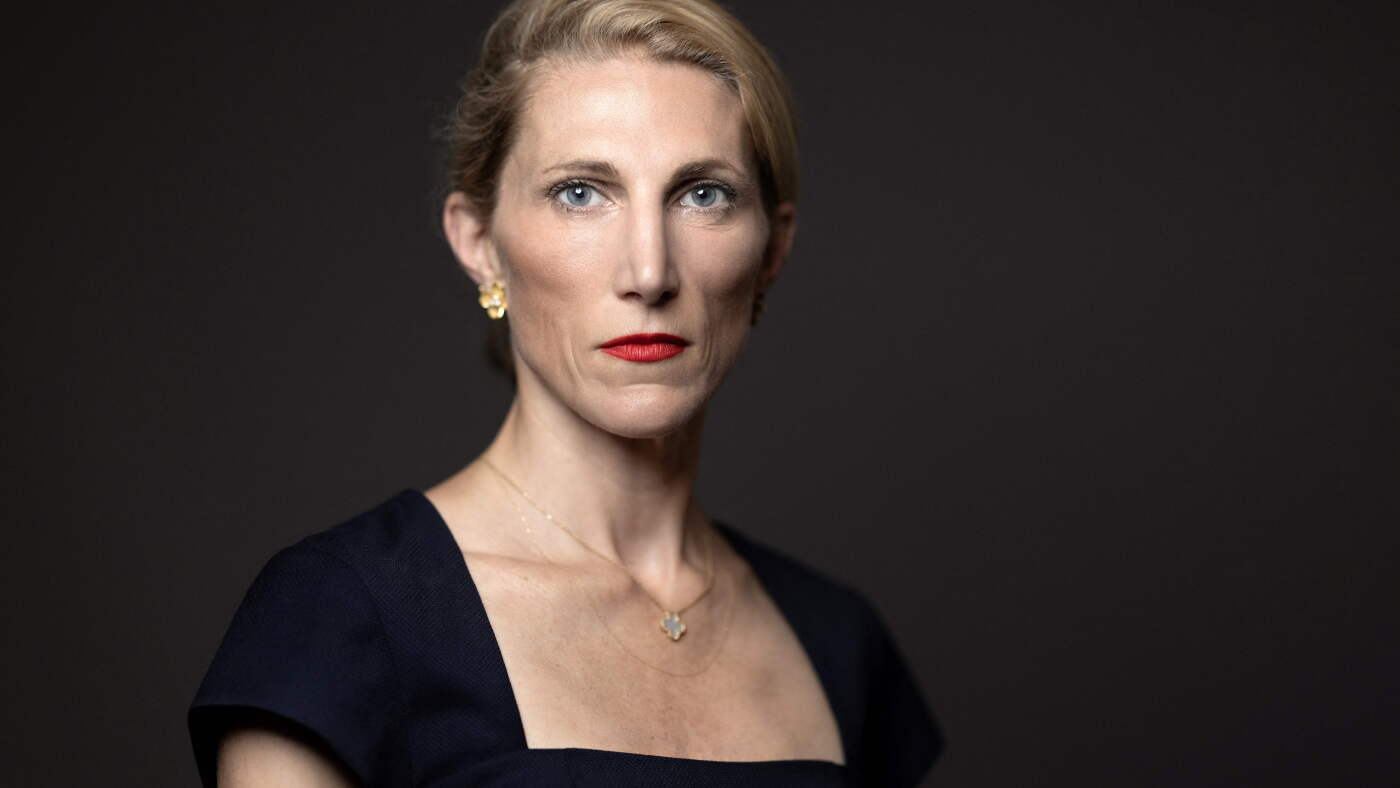
Dr. Vanessa Kerry has been appointed by the World Health Organization (WHO) as special envoy for health resilience. Dr. Kerry, who previously served as the WHO's first special envoy for climate change and health, will focus on building permanent healthcare systems to move away from reactive, crisis-based funding models.
Dr. Kerry currently serves as the director of global health and climate policy at the Harvard School of Public Health and is the founder and CEO of Seed Global Health. Her nonprofit organization has spent over a decade training healthcare students and practitioners in lower-resource countries, including a partnership with the Peace Corps from 2012 to 2018 that focused on HIV/AIDS epidemic control.
In her new role, Dr. Kerry stated she intends to prioritize "strong systems, primary care and the ability to respond." She argued that current global health funding often follows a "disease by disease and crisis by crisis" pattern, which she aims to shift toward building systems that are already in place before an emergency occurs. This approach involves listening to local priorities and ensuring funding to address the largest burdens of disease.
Dr. Kerry cited recent efforts in Uganda as an example of this resilience model. Through a partnership between Seed Global Health and the Ugandan Ministry of Health, 30 emergency medicine physicians were trained. When an Ebola outbreak occurred in Uganda, those specialists were able to train more than 3,000 health workers across the country in infection prevention and case management.
The appointment affects healthcare workers and patients in lower-resource countries, particularly in sub-Saharan Africa, who rely on national health infrastructures for both routine care and emergency response. By shifting toward a "resilience" model, the WHO aims to change how global health aid is distributed, moving away from short-term emergency grants toward long-term investments in local medical personnel. For example, in Uganda, the program resulted in 3,000 health workers receiving specialized training, providing capacity that did not exist previously.
For individual patients in these regions, the success of this policy would be noticed through the presence of locally trained doctors and nurses who remain in the community, rather than relying on international teams that arrive only during outbreaks. This change is intended to improve access to primary care and maternal health services. The initiative seeks to prevent the systemic collapse often seen when a new epidemic overwhelms a hospital.
The effects of this appointment may influence how other international NGOs and governmental aid agencies coordinate their medical education efforts. It sets a precedent for prioritizing "country-led" efforts over foreign-directed medical missions. While Dr. Kerry has officially assumed the role, specific deadlines for new funding initiatives or legislative shifts within the WHO were not reported. The ongoing effectiveness of these training partnerships will be monitored through their ability to handle future disease surveillance and prevention.