The Plain Record

Neutral daily news — clear headlines, complete facts.

Weather

World War Ordnance Detonated by Wildfires and Exposed by Drought in Europe

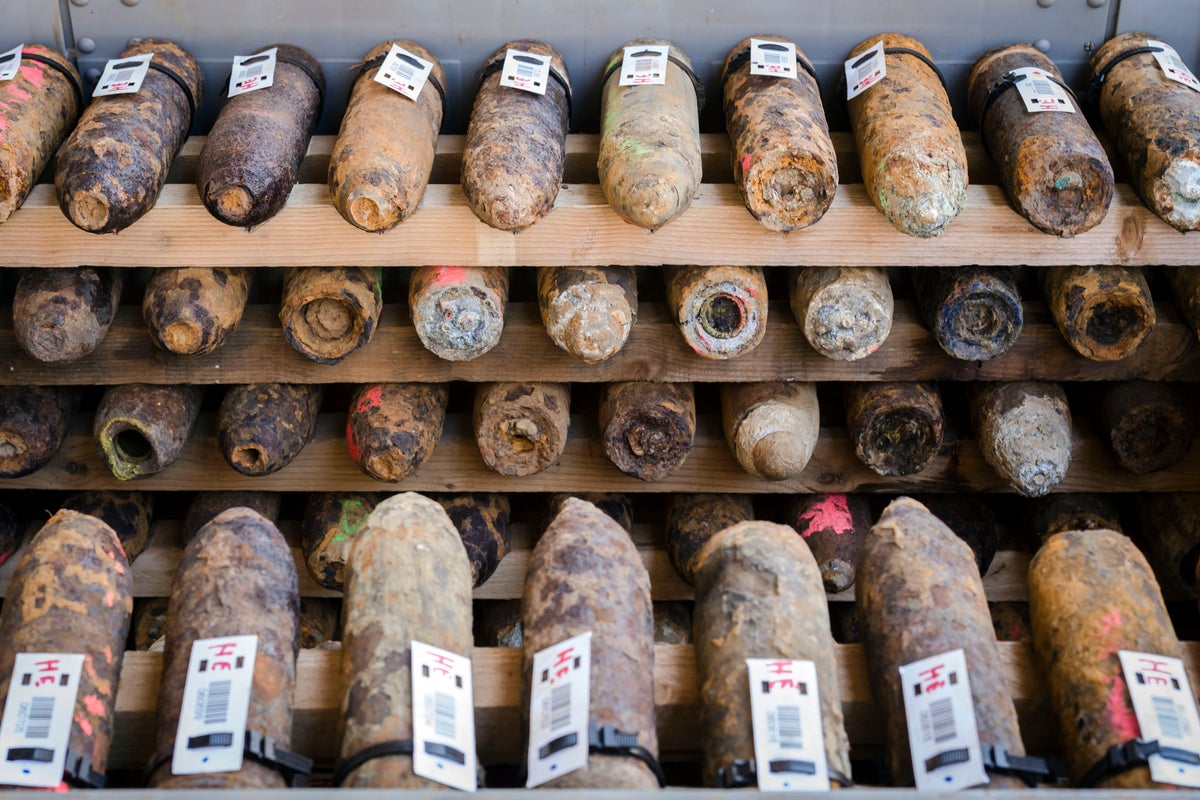
Wildfires and receding river levels across Europe have triggered detonations and exposed unexploded bombs and mines left over from the World Wars.

Published August 22, 2026 at 4:12 AM EDT

The short answer

Wildfires and receding river levels across Europe have triggered detonations and exposed unexploded bombs and mines left over from the World Wars. Wildfires and drought across Europe have uncovered and, in some cases, detonated unexploded ordnance dating back to the First and Second World Wars.

World War Ordnance Detonated by Wildfires and Exposed by Drought in Europe

The Facts

Who
Emergency crews, bomb-disposal units, local residents, and scholars Sarah Njeri and Christina Greene.
What
Unexploded World War-era ordnance detonating due to wildfires and emerging from drying rivers.
When
Recently, as reported on August 22, 2026, following a July weather study.
Where
Europe, specifically France, Belgium, Germany, the Netherlands, Slovakia, and Hungary.
Why
High heat and drought are triggering old explosives and lowering water levels to reveal previously submerged mines and bombs.

Timeline of what happened

Key dates and decisions, in the order they occurred.

  1. 1944

    Heavy combat in the Limburg province of the Netherlands

  2. 1945

    Germany surrenders; munitions kill six civilians in Belgium over next four years

  3. July 2026

    World Weather Attribution study notes optimal fire conditions in Europe

  4. August 22, 2026

    Reports of wildfire-induced detonations in France, Belgium, Germany, and Netherlands

Wildfires and drought across Europe have uncovered and, in some cases, detonated unexploded ordnance dating back to the First and Second World Wars. High heat from recent blazes triggered explosions in France, Belgium, Germany, and the Netherlands, posing risks to emergency crews and civilians.

The reappearance of these weapons follows a summer of extreme heat, drought, and low humidity, which a World Weather Attribution study published in July linked to favorable conditions for fire. Sarah Njeri, a scholar at London’s School of Oriental and African Studies, stated that stable temperatures and predictable rainfall previously kept these munitions dormant, but climate change is now unburying and reactivating them.

In Belgium’s Liege province, Governor Hervé Jamar reported "sporadic detonations" in fire zones, though he stated no fire crews were in immediate danger. In the Netherlands, bomb-disposal teams were deployed to woodland near Limburg, a site of heavy combat in 1944. Meanwhile, receding water levels in the Danube and Rhine rivers have exposed naval mines and bombs in Slovakia, Hungary, and Germany.

Belgium’s Explosive Ordnance Disposal and Destruction Service currently handles more than 3,000 calls annually, disposing of 200 to 250 tons of munitions. While the Ministry of Defence receives weekly requests for assistance in the High Fens region, it notes that "hot spots" like Ypres in the west see even higher activity, where farmers regularly uncover war remnants during tilling.

Residents and emergency workers in these regions will notice a concrete change in safety protocols during heatwaves and droughts. Firefighters must now adapt their tactics to account for buried munitions that may detonate without warning when exposed to high heat. Additionally, receding water levels mean that infrastructure, such as Budapest’s Margaret Bridge, may be temporarily closed to the public to allow for the removal of newly surfaced explosives, disrupting local travel and commerce.

The knock-on effects include an increased burden on national defense and emergency budgets as disposal teams respond to a higher frequency of calls. The reactivation of these dormant weapons sets a precedent for how environmental changes can turn long-standing historical remnants into active modern hazards. While bomb disposal units and local historians like Bernard Collard continue to monitor these sites, the duration of the current risk remains tied to ongoing weather patterns and the progression of the summer fire season.

Summaries are written by The Plain Record to state the facts of a story plainly and without political slant. See our editorial standards, or report a correction.

← Back to the front page

Questions readers ask

What happened: World War Ordnance Detonated by Wildfires and Exposed by Drought in Europe?

Unexploded World War-era ordnance detonating due to wildfires and emerging from drying rivers.

Who is involved?

Emergency crews, bomb-disposal units, local residents, and scholars Sarah Njeri and Christina Greene.

When did this happen?

Recently, as reported on August 22, 2026, following a July weather study.

Where did this happen?

Europe, specifically France, Belgium, Germany, the Netherlands, Slovakia, and Hungary.

Why does this matter?

High heat and drought are triggering old explosives and lowering water levels to reveal previously submerged mines and bombs.