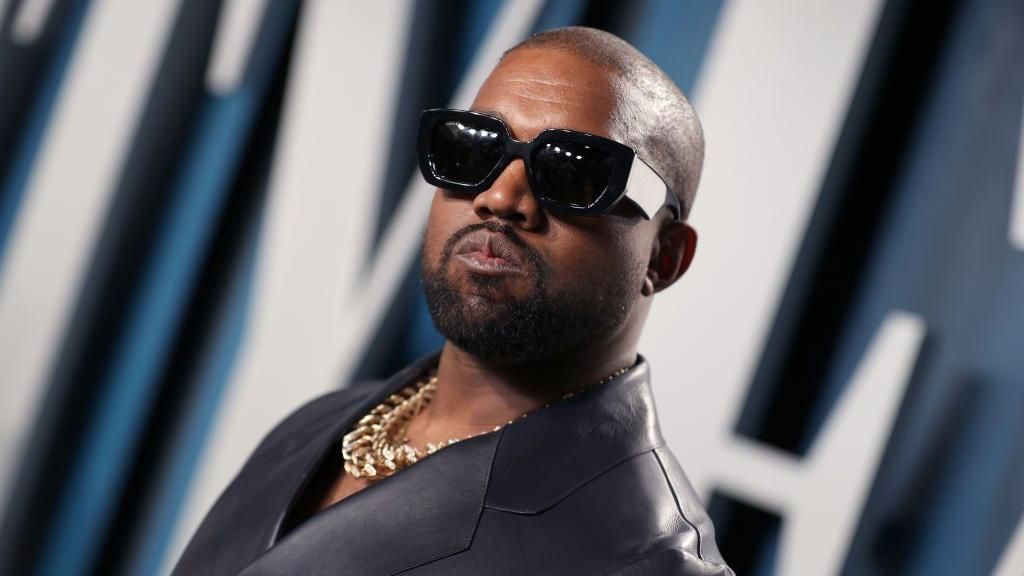
The musician known as Ye, formerly Kanye West, has scheduled two performances in St. Petersburg, Russia, for October 2026. The announcement on Monday marks the first time a major Western artist has booked shows in the country since the invasion of Ukraine four years ago. Tickets for the events at the 70,000-capacity Gazprom Arena sold out within hours of their release.
The Russian tour dates follow a period of restricted international travel and performance cancellations for West. Earlier this summer, several European concerts were scrapped, including a headline slot at the UK's Wireless Festival. The British Home Office denied West entry to the country, stating his presence was not \"conducive to the public good.\" Conversely, performances in Spain, Portugal, the Netherlands, Turkey, and Albania proceeded as scheduled.
West has previously faced significant business and professional impacts following his 2022 comments regarding Jewish people and Nazism. Fashion brands Adidas and Balenciaga terminated their partnerships with him during that time. In January 2026, West published a full-page apology in the Wall Street Journal, attributing his past behavior to a manic episode associated with bipolar disorder. Some observers, according to the BBC, questioned the timing of the apology as it coincided with the release of his album \"Bully.\"
Public reception to the Russian announcement has been mixed. Vitaly Milonov, a conservative Russian lawmaker, suggested the musician should perform traditional Russian songs and expressed hope that the visit would change West's behavior. While major labels have largely suspended operations in Russia, a few other Western artists, including Tyga, DaBaby, Akon, and Lil Pump, have performed there recently. Jason Derulo also performed in the country last year and indicated plans to return.
The tour highlights a shift in how international travel and "public good" standards are applied to high-profile figures. While West was barred from the UK, he was permitted to perform in Spain, where national broadcaster RTVE reported that 60% of the Madrid audience traveled from other countries. This suggests that his appearances are drawing significant international tourism and cross-border spending, even when local governments in neighboring nations refuse entry. This precedent may influence how other countries evaluate entry visas for artists with histories of inflammatory speech.
The upcoming concerts will serve as a test for the feasibility of large-scale Western entertainment events in Russia during the ongoing conflict in Ukraine. The successful sale of 70,000 seats per night indicates that a market remains for American hip-hop, despite the anti-Western rhetoric from local lawmakers like Milonov. Following the October shows, the music industry will likely monitor whether other major artists follow West's lead or if government pressure in Western home countries increases to prevent such tours. West’s next confirmed actions include the October performances and the ongoing promotion of his new album.