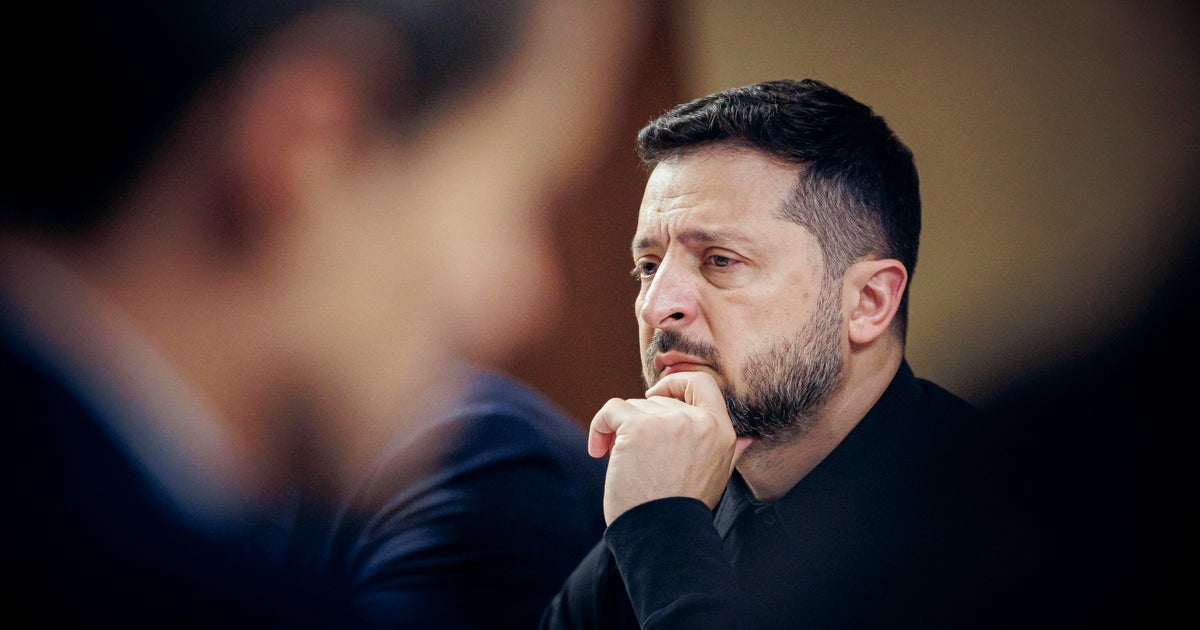
Ukrainian President Volodymyr Zelenskyy has rejected the possibility of holding elections while the country remains at war with Russia. In remarks made public on a Sunday, Zelenskyy described the prospect of wartime elections as a "huge risk" and a "tsunami" that would lead to internal division within Ukraine. The statement follows the imposition of martial law, which has been in place since the Russian invasion in February 2022 and prohibits national elections from being held.
The president's comments were a direct response to a public call for elections by former Defense Minister Mykhailo Fedorov. Fedorov, who was removed from his post in mid-July, released a video the Tuesday prior to Zelenskyy's remarks arguing that Ukraine must find a "legal, safe and realistic mechanism" to restore democratic processes despite the ongoing conflict. Fedorov stated that "democracy cannot be held hostage by Russia" and argued that maintaining free processes is central to the country’s identity as a European state.
Fedorov's dismissal in July was attributed by the president to a dispute between the minister and Ukraine's top general, Oleksandr Syrskyi. Following his ousting, thousands of people participated in weeks of protests criticizing the decision. In an interview with the BBC, Fedorov stated that Zelenskyy faced "questions to answer" regarding alleged government corruption, specifically referencing a money laundering investigation announced in mid-August 2026. Fedorov has been credited with expanding Ukraine's domestic arsenal and increasing strikes into Russian territory.
The scale of this political debate involves the entire Ukrainian electorate and the administrative structure of a nation currently engaged in a multi-year conflict. While the specific financial costs of organizing a wartime election were not reported, the logistical challenges would include ensuring the safety of millions of residents and hundreds of thousands of active-duty soldiers. If elections were to proceed, the government would need to establish new protocols for polling in zones of active conflict and for displaced persons, a shift that would fundamentally alter the day-to-day focus of the civil administration and military command.
The ongoing suspension of elections maintains the current power structure under President Zelenskyy and Gen. Oleksandr Syrskyi, but it also highlights internal friction following the dismissal of high-ranking officials like Fedorov. This set of circumstances establishes a precedent for how long a democratic state may suspend standard electoral processes during a prolonged invasion. The next steps depend on the duration of martial law; until it is lifted or amended by the government, no specific dates or deadlines for national elections have been established.