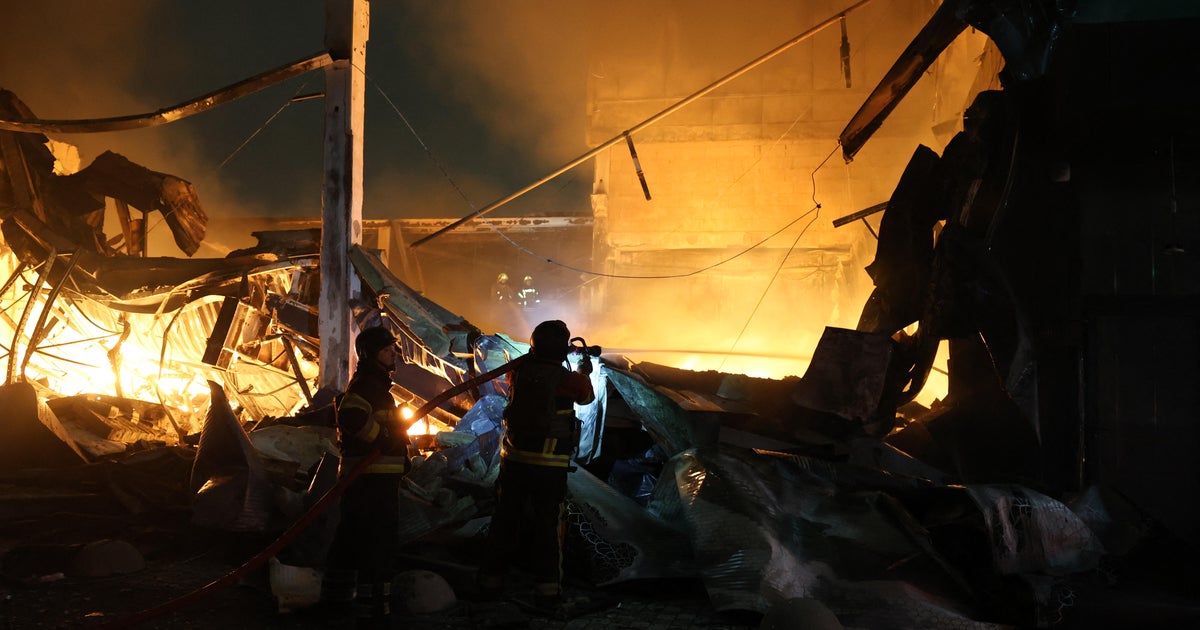
Ukrainian President Volodymyr Zelenskyy reported that Russia targeted Kyiv with three ballistic missiles carrying cluster warheads during an overnight strike on Thursday, Oct. 22, 2026. The Ukrainian foreign ministry stated that at least four people were killed across the country, while Zelenskyy noted another 34 were injured, including five children. The strikes affected 12 regions and damaged civilian infrastructure, including homes, shops, and monastery buildings in Kyiv’s historic Pechersk district.
The attacks occurred hours after U.S. special envoy Steve Witkoff met with Russian President Vladimir Putin in St. Petersburg to discuss proposals for ending the war. Zelenskyy stated that the timing of the strike, following these talks, indicated no change in Russia's attitude toward the conflict. Kremlin spokesman Dmitry Peskov said Moscow would study the proposals but indicated that negotiations would be a lengthy process.
Zelenskyy described the cluster munitions as weapons that detonate in the air to strike targets within a 400-meter diameter. While more than 100 countries have banned cluster bombs under a 2008 international treaty due to their indiscriminate impact on civilians, neither Russia nor the United States are signatories to that agreement. Additionally, Russia's Defense Ministry reported that its air defenses downed 808 Ukrainian drones overnight, with Moscow Mayor Sergei Sobyanin stating that more than 600 drones were directed toward the capital.
The scale of the military activity is significant, with Russia claiming to have intercepted 808 drones in a single night, including over 600 near Moscow. For residents in Moscow and Kyiv, this translates to frequent air raid alerts and potential disruptions to daily life and safety. The ongoing strikes on energy facilities also place a burden on utility workers and the national budget required for emergency repairs.
The use of these weapons following diplomatic meetings in St. Petersburg suggests that immediate cease-fire prospects remain low. Future developments will depend on whether the U.S. provides the interceptor missiles Zelenskyy has requested for defense. Secretary of State Marco Rubio stated that providing such aid requires balancing obligations to other partners and U.S. facility requirements. The next steps involve the Kremlin’s review of the St. Petersburg proposals, though no specific deadline for a response has been established.