The Plain Record

Neutral daily news — clear headlines, complete facts.

On the Hill

Zelenskyy reports U.S. warnings of aid cutoff as senators challenge Russia diesel deal

President Zelenskyy said the U.S. warned of a potential weapons and intelligence cutoff, as a bipartisan group of senators challenged a new U.S.-Russia diesel deal.

Background: The Insurrection Act, explained: when a president can deploy troops inside the United States

By The Plain RecordUpdated October 13, 2026 at 3:35 PM EDT
Published October 12, 2026 at 8:00 PM EDT

The short answer

President Zelenskyy said the U.S. warned of a potential weapons and intelligence cutoff, as a bipartisan group of senators challenged a new U.S.-Russia diesel deal.

Updates (2)

  • Update — October 13, 2026 at 3:35 PM EDT: A bipartisan group of senators urged President Trump to withdraw from his diesel deal with Russian President Vladimir Putin and rescind a move to waive sanctions on Russia's energy sector.
  • Update — October 13, 2026 at 3:35 PM EDT: The senators are questioning the legality of the decision, citing Congress’ 2022 ban on Russian energy imports.
Zelenskyy reports U.S. warnings of aid cutoff as senators challenge Russia diesel deal

The Facts

Who
Ukrainian President Volodymyr Zelenskyy, U.S. President Donald Trump, and a bipartisan group of 12 U.S. senators.
What
President Zelenskyy's response to U.S. aid warnings and the bipartisan Senate challenge to Russian diesel imports.
When
Tuesday, October 13, 2026
Where
Kyiv, Ukraine and Washington, D.C.
Why
The shifting U.S. policy on Russian energy sanctions and intelligence sharing impacts the resources available for the Ukraine-Russia war and domestic fuel prices.

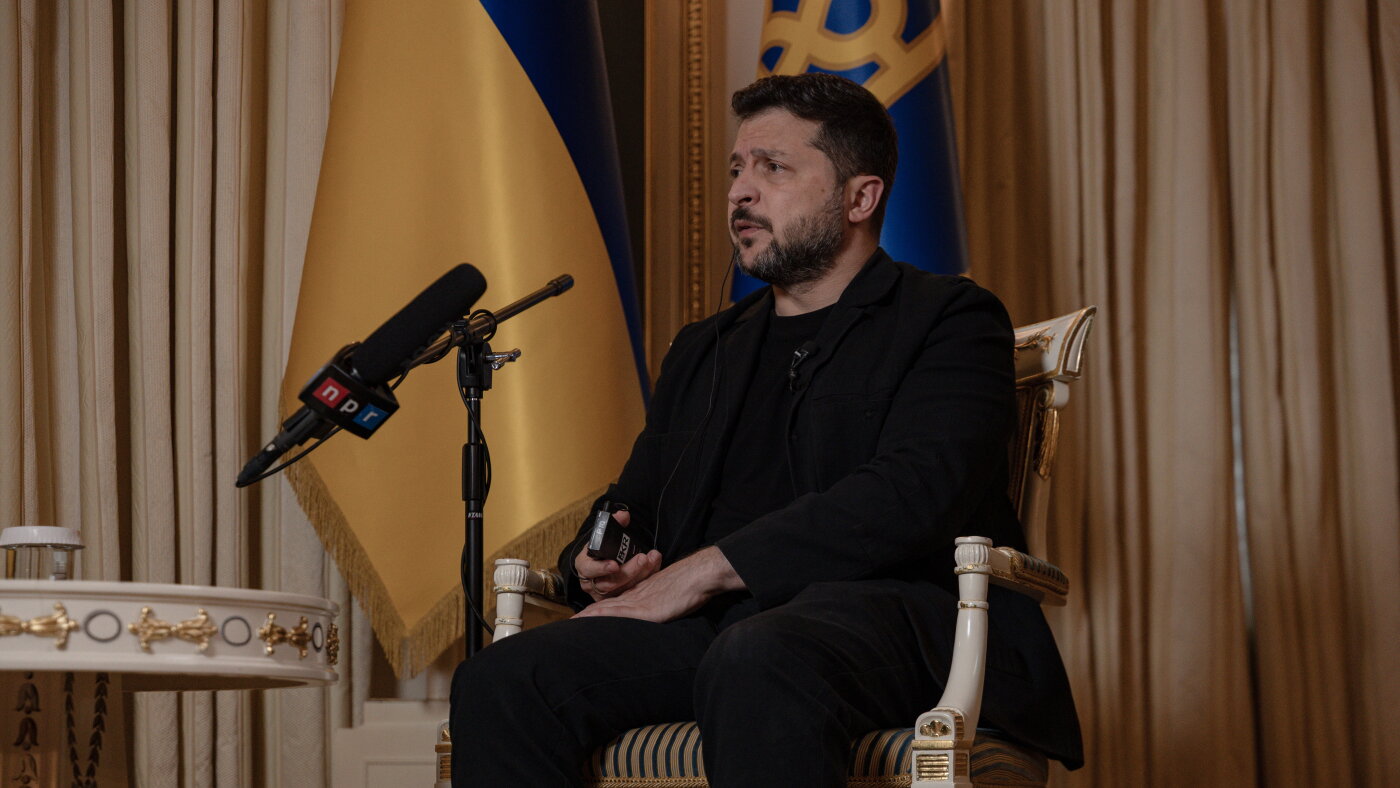
Ukrainian President Volodymyr Zelenskyy stated in an interview Tuesday that his military generals have received messages regarding a potential cutoff of U.S. weapons and intelligence sharing. Zelenskyy noted that while the warnings were delivered, the United States has not yet implemented these restrictions. In response to questions about the reports, President Donald Trump told reporters Tuesday that the U.S. continues to share intelligence and provide help because the administration wants the war to end.

The situation follows a series of policy shifts by the White House, including a Friday announcement that the U.S. would ease sanctions on Russian diesel exports. President Trump also posted on social media Sunday that a partial "energy ceasefire" had been reached between Russia and Ukraine to halt attacks on energy infrastructure. Zelenskyy said Tuesday he learned of the alleged agreement through social media, and that Russian strikes on Ukrainian infrastructure have continued despite the claim.

Tensions have increased between the two leaders following the diesel announcement. Over the weekend, President Trump stated it was "time for Ukraine to get a new president" who would reach a peace deal. Zelenskyy described the U.S. decision to allow Russian diesel imports as "weak," arguing that the move would provide the Kremlin with financial resources for the war. Zelenskyy attributed high diesel prices to the blocking of the Strait of Hormuz rather than a lack of Russian supply.

A bipartisan group of 12 senators issued a letter Tuesday urging President Trump to rescind the diesel agreement and reinstate energy sanctions. The group includes Republicans such as Mitch McConnell (R-KY), Susan Collins (R-ME), and Thom Tillis (R-NC), alongside Democrats including Jeanne Shaheen (D-NH) and Richard Blumenthal (D-CT). The senators alleged the deal violates a 2022 federal ban on Russian energy imports and fails to meet statutory requirements for consulting with Congress.

The policy change also affects the legal rights of Congress to oversee foreign sanctions. The group of senators argues that the 2022 law requires a full Russian withdrawal from Ukraine before the energy import ban can be lifted. The Treasury Department’s waiver of sanctions marks a concrete change in how the U.S. uses economic pressure against the Kremlin, which the senators claim will provide Russia with a "financial lifeline" to fund its military operations and cooperation with China, Iran, and North Korea.

For federal lawmakers and international observers, the move sets a precedent for the executive branch to bypass established sanctions packages through general licenses. While the administration describes the move as a way to lower domestic prices before midterms, the specific impact on a household's monthly fuel bill is not yet confirmed, as senators argued the volume would have a "negligible impact" on prices. The next steps involve whether the White House will respond to the bipartisan demand to reverse the license or if Congress will pursue further legislative action before the April 2027 expiration date.

Timeline of what happened

Key dates and decisions, in the order they occurred.

  1. 2022

    Congress passes ban on Russian energy imports

  2. September 2026

    U.S. average diesel price reaches record $6.53 per gallon

  3. October 9, 2026

    Trump announces Russian diesel imports and eases sanctions

  4. October 11, 2026

    Trump claims Russia-Ukraine energy ceasefire on Truth Social

  5. October 13, 2026

    Zelenskyy sit-down with NPR; bipartisan senators demand deal reversal

Summaries are written by The Plain Record to state the facts of a story plainly and without political slant. Drafted with AI assistance and checked against the source record before publication. See how we report, or report a correction.

← Back to the front page

Questions readers ask

What happened: Zelenskyy reports U.S. warnings of aid cutoff as senators challenge Russia diesel deal?

President Zelenskyy's response to U.S. aid warnings and the bipartisan Senate challenge to Russian diesel imports.

Who is involved?

Ukrainian President Volodymyr Zelenskyy, U.S. President Donald Trump, and a bipartisan group of 12 U.S. senators.

When did this happen?

Tuesday, October 13, 2026

Where did this happen?

Kyiv, Ukraine and Washington, D.C.

Why does this matter?

The shifting U.S. policy on Russian energy sanctions and intelligence sharing impacts the resources available for the Ukraine-Russia war and domestic fuel prices.