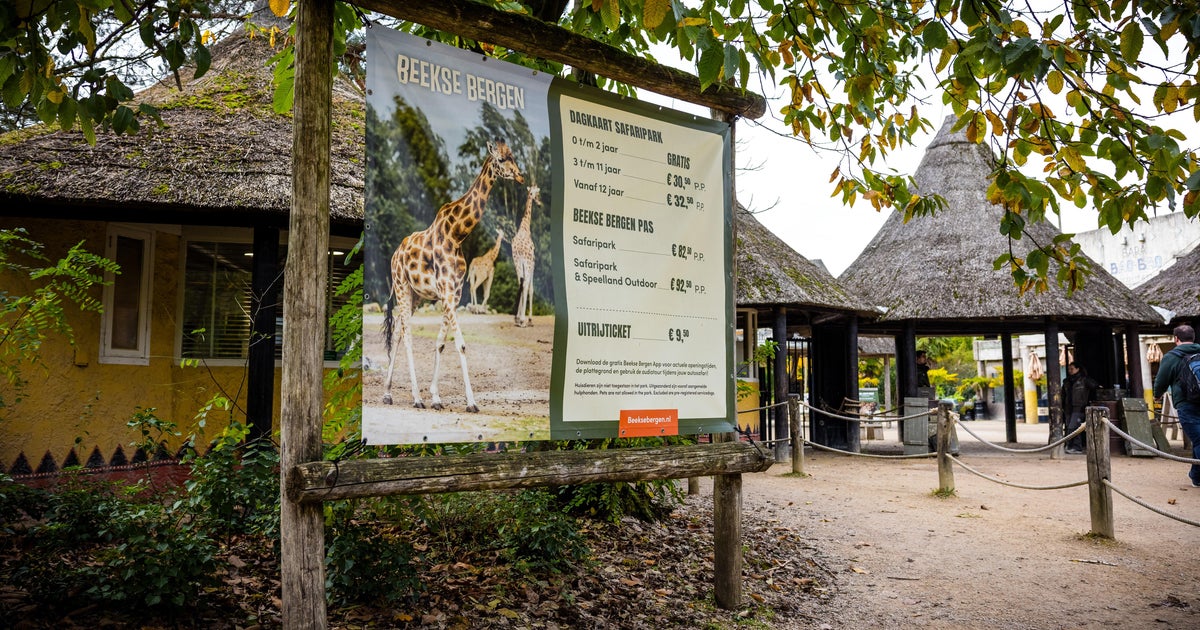
A longtime employee at the Beekse Bergen Safari Park in the southern Netherlands died on Tuesday following a leopard attack that occurred on Saturday, Oct. 24. The woman, an experienced keeper who had worked at the park for nearly 40 years, was injured while caring for two Persian leopards in an indoor enclosure.
The incident took place around 11 a.m. while the leopards were being kept indoors due to inclement weather. According to park officials, the keeper used a walkie-talkie to call for help, prompting colleagues to rush to the enclosure to separate the animals from her. The woman sustained serious injuries to her head and neck and was airlifted to a hospital where she underwent emergency surgery.
Martin van Hees, the park's head of animal care, stated that the woman was known for her attention to safety protocols. However, the exact circumstances of the attack remain unknown because there are no cameras inside the enclosure. The Dutch Labour Inspectorate and the safari park have launched independent investigations to determine how the keeper came to be in the same area as the predators.
The scale of the incident involves the management of two male Persian leopards, a species the zoo describes as solitary predators. The financial and operational impact on the park remains unspecified, but the facility confirmed the animals will remain at the park and continue to receive their normal care. Families visiting the safari park would not have been directly in the indoor facility, but a park spokesperson noted the leopards were acting naturally as predators during the event. This fatality follows a series of similar incidents at international wildlife facilities, including other reported keeper deaths caused by big cats in Thailand, Crimea, Switzerland, and the United States between 2016 and 2024.
Day-to-day, the park continues to operate, but the ongoing investigation by the Dutch Labour Inspectorate may lead to changes in how keepers interact with dangerous animals or how indoor enclosures are monitored. The investigation will specifically look at the failure of the barriers that normally separate workers from the leopards. A final report from the inspectorate is expected, though no specific deadline for the findings has been announced. The zoo stated they are grieving with the family and have requested privacy for their staff.