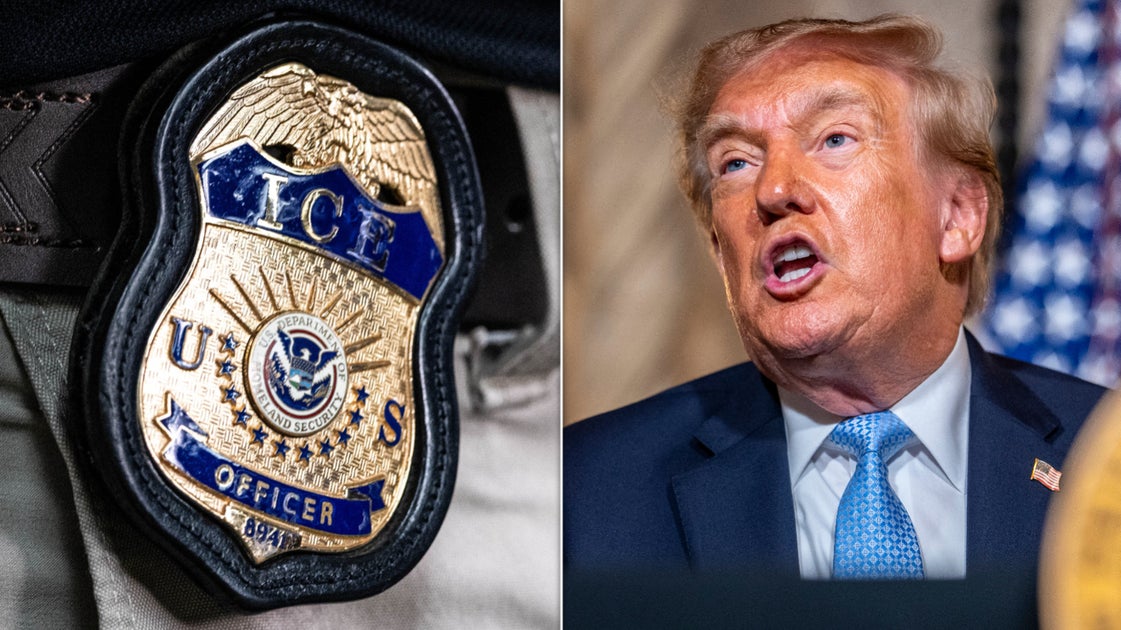
The American Civil Liberties Union (ACLU) filed a federal class-action lawsuit on Friday, November 27, seeking to block the Department of Justice and the Department of Homeland Security (DHS) from using grand jury subpoenas to identify anonymous social media users who criticize immigration enforcement. The lawsuit, filed on behalf of four unnamed plaintiffs, alleges that the federal government is using these legal tools in bad faith to retaliate against individuals for expressing political views online.
The legal action follows what the ACLU describes as a year-long effort by the Trump administration to obtain personal data from tech companies. According to the filing, the government previously issued hundreds of administrative subpoenas to seek information about critics of U.S. Immigration and Customs Enforcement (ICE). The ACLU states that the administration shifted to using the more secretive grand jury process after facing resistance from social media users and technology firms regarding the administrative requests.
The lawsuit names Attorney General Todd Blanche, DHS Secretary Markwayne Mullin, and U.S. Attorney Jeanine Pirro as defendants. ACLU attorneys reported that Pirro’s office has used the designation "Investigation 18" to categorize efforts to obtain account information from platforms including Meta, Bluesky, and X. The plaintiffs include a college student who posted an expletive directed at federal agencies and a Bluesky user who posted a comment stating, "Burn ICE to the ground."
A court ruling in this matter will determine the extent to which the federal government can use the grand jury process to unmask online critics. If the court allows the subpoenas to proceed, it may set a precedent for how federal agencies collect intelligence on domestic political dissent. The ACLU argues that these actions are part of a broader effort to build a "database of dissenters," which could lead to increased government surveillance of political speech across different platforms.
The immediate impact for the named tech companies and their users depends on the outcome of a hearing scheduled for January 6. Until then, the government must file its formal written response to the allegations by December 14. If a preliminary injunction is granted, the government would be barred from enforcing the subpoenas in question while the litigation continues. Representatives for the DHS and the U.S. Attorney's office in Washington did not immediately respond to requests for comment regarding the filing.
What happens next: U.S. District Chief Judge James Boasberg, who ordered the case unsealed on Wednesday, November 25, has set a deadline of December 14 for the government to respond to the ACLU's allegations. Arguments on the request for a preliminary injunction are scheduled to take place on January 6.