The Plain Record

Neutral daily news — clear headlines, complete facts.

On the Hill

Adam Hamilton Wins Kansas Senate Race, Flipping Republican Seat

Methodist pastor Adam Hamilton defeated incumbent Roger Marshall, becoming the first Democrat to win a U.S. Senate seat in Kansas since 1932.

Published November 4, 2026 at 1:33 PM EST

The short answer

Methodist pastor Adam Hamilton defeated incumbent Roger Marshall, becoming the first Democrat to win a U.S. Senate seat in Kansas since 1932. Democratic Sen.-elect Adam Hamilton won the U.S. Senate race in Kansas on Tuesday, Nov. 3, 2026, defeating incumbent Sen. Roger Marshall (R-KS). Hamilton, a Methodist pastor, is the first Democrat to be elected to the U.S. Senate from Kansas since 1932.

Adam Hamilton Wins Kansas Senate Race, Flipping Republican Seat

The Facts

Who
Sen.-elect Adam Hamilton (D-KS) and Sen. Roger Marshall (R-KS)
What
Election of a Democratic U.S. Senator from Kansas.
When
Tuesday, November 3, 2026
Where
Kansas (specifically Overland Park, Wichita, and Greensburg mentioned)
Why
Voters cited concerns over rising costs, tariffs, the war in Iran, and political hyperpolarization.

Democratic Sen.-elect Adam Hamilton won the U.S. Senate race in Kansas on Tuesday, Nov. 3, 2026, defeating incumbent Sen. Roger Marshall (R-KS). Hamilton, a Methodist pastor, is the first Democrat to be elected to the U.S. Senate from Kansas since 1932.

Hamilton was a registered Republican until earlier in 2026. During his campaign, he focused on themes of decency and cross-party cooperation, while addressing voter concerns regarding economic and foreign policy issues. The victory occurred during a midterm election cycle that also saw U.S. House Speaker Mike Johnson (R-LA) announce he will step aside from his leadership role in the next Congress.

Following his win, Hamilton stated that rising costs, tariffs, and the war in Iran were primary factors driving voter sentiment. He also heard that many voters were "sick and tired of the hyperpolarization in Washington." In an interview with NPR, Hamilton recalled meeting a Republican who had voted in 46 previous elections without ever supporting a Democrat before voting for him. Hamilton also mentioned a woman in Greensburg, Kansas, who asked him to "help us remember that we're fellow human beings."

The election of a Democrat to a Kansas Senate seat means the state will now be represented by one member from each major party in the Senate. Hamilton’s victory ends a period of nearly a century during which the state did not elect a Democrat to the U.S. Senate.

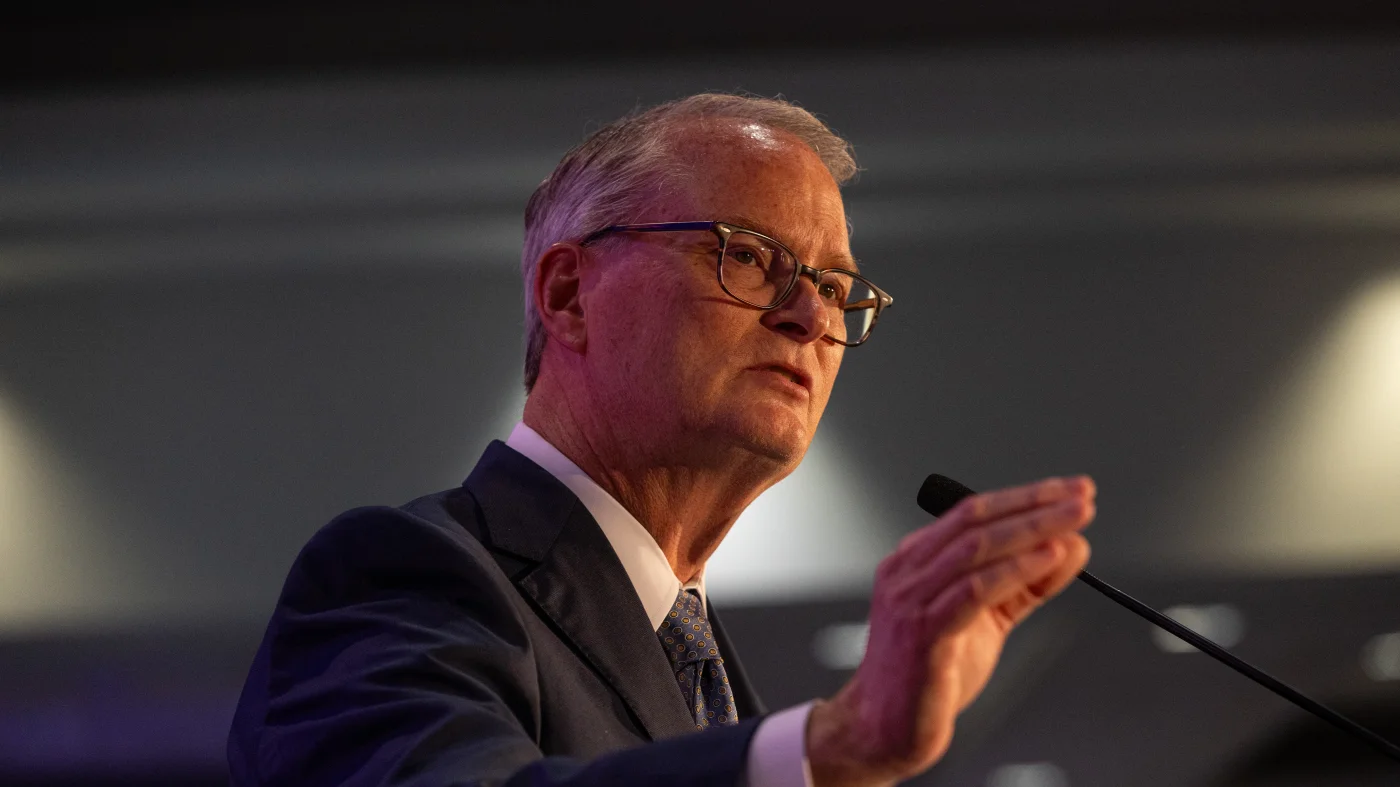
Hamilton has stated he intends to seek a cooperative relationship with Kansas’ other senator, Jerry Moran (R-KS), saying he wants to be Moran’s "best friend in Washington." He argued that his party should do more to reach religious Americans and emphasize bipartisan work. Hamilton addressed supporters at an event in Overland Park on election night.

Timeline of what happened

Key dates and decisions, in the order they occurred.

  1. November 2, 2026

    Hamilton attends campaign event in Wichita

  2. November 3, 2026

    Hamilton defeats incumbent Roger Marshall in midterm election

  3. November 4, 2026

    Hamilton discusses victory and policy priorities in NPR interview

Summaries are written by The Plain Record to state the facts of a story plainly and without political slant. Drafted with AI assistance and checked against the source record before publication. See how we report, or report a correction.

← Back to the front page

Questions readers ask

What happened: Adam Hamilton Wins Kansas Senate Race, Flipping Republican Seat?

Democratic Sen.-elect Adam Hamilton won the U.S. Senate race in Kansas on Tuesday, Nov. 3, 2026, defeating incumbent Sen. Roger Marshall (R-KS). Hamilton, a Methodist pastor, is the first Democrat to be elected to the U.S. Senate from Kansas since 1932.

Who is involved?

Sen.-elect Adam Hamilton (D-KS) and Sen. Roger Marshall (R-KS)

When did this happen?

Tuesday, November 3, 2026

Where did this happen?

Kansas (specifically Overland Park, Wichita, and Greensburg mentioned)

Why does this matter?

Voters cited concerns over rising costs, tariffs, the war in Iran, and political hyperpolarization.