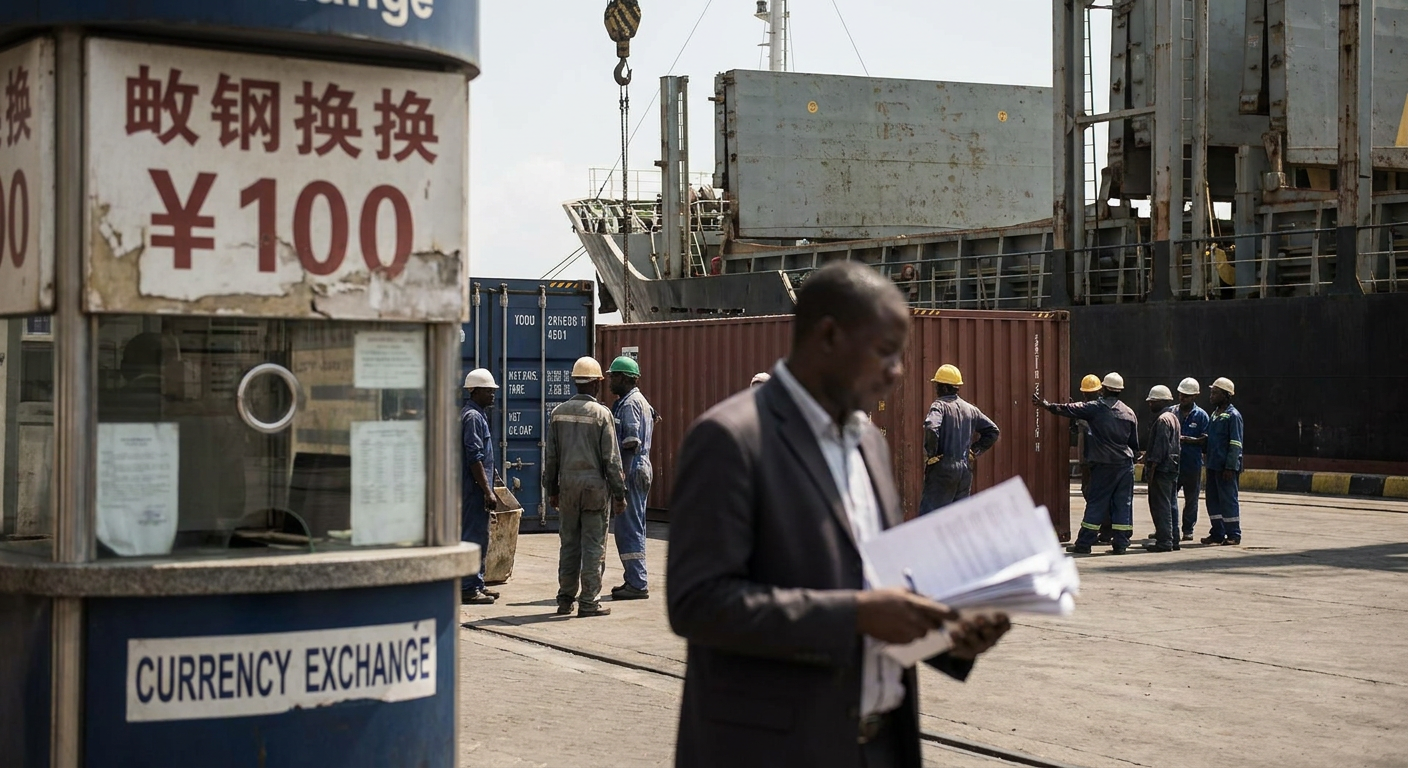
Several African nations are increasingly using the Chinese yuan, also known as the renminbi (RMB), for trade and debt payments, a move that analysts say reflects China's growing economic influence on the continent. While the U.S. dollar has historically been the dominant currency for African finance and daily transactions, countries such as Zambia and Kenya have begun integrating the yuan into their official financial systems.
The shift follows years of China serving as Africa's largest trading partner. In countries like Zimbabwe, the U.S. dollar remains the exclusive currency for the Victoria Falls Stock Exchange and most street transactions following a period of hyperinflation two decades ago. However, neighboring countries are now establishing new protocols to bypass the dollar in favor of direct transactions with China.
Zambia recently became the first African nation to officially accept the yuan for the payment of mining taxes and royalties. Additionally, Kenya has restructured its debt to China and is now paying it in yuan rather than dollars. Christian-Géraud Neema, an editor with the China-Global South Project, stated that trading in renminbi is practical for nations whose primary trade relationship is with China.
China's position as the top trading partner for many African nations means that shifts toward the yuan could affect the flow of critical minerals like lithium, copper, and cobalt. While the exact total dollar-to-yuan conversion volume was not reported, the trend is expected to grow over the next five to 10 years as more banks adopt the infrastructure to handle the Chinese currency directly.
This diversification is partially driven by shifting U.S. tariff policies under the Trump administration, which have encouraged businesses to seek alternatives to the dollar. While the U.S. dollar is not expected to be displaced immediately, the growing use of the yuan sets a precedent for "de-dollarization" in commodity markets. This comes as President Trump is scheduled to meet Chinese President Xi Jinping next week on the sidelines of the Asia-Pacific Economic summit.