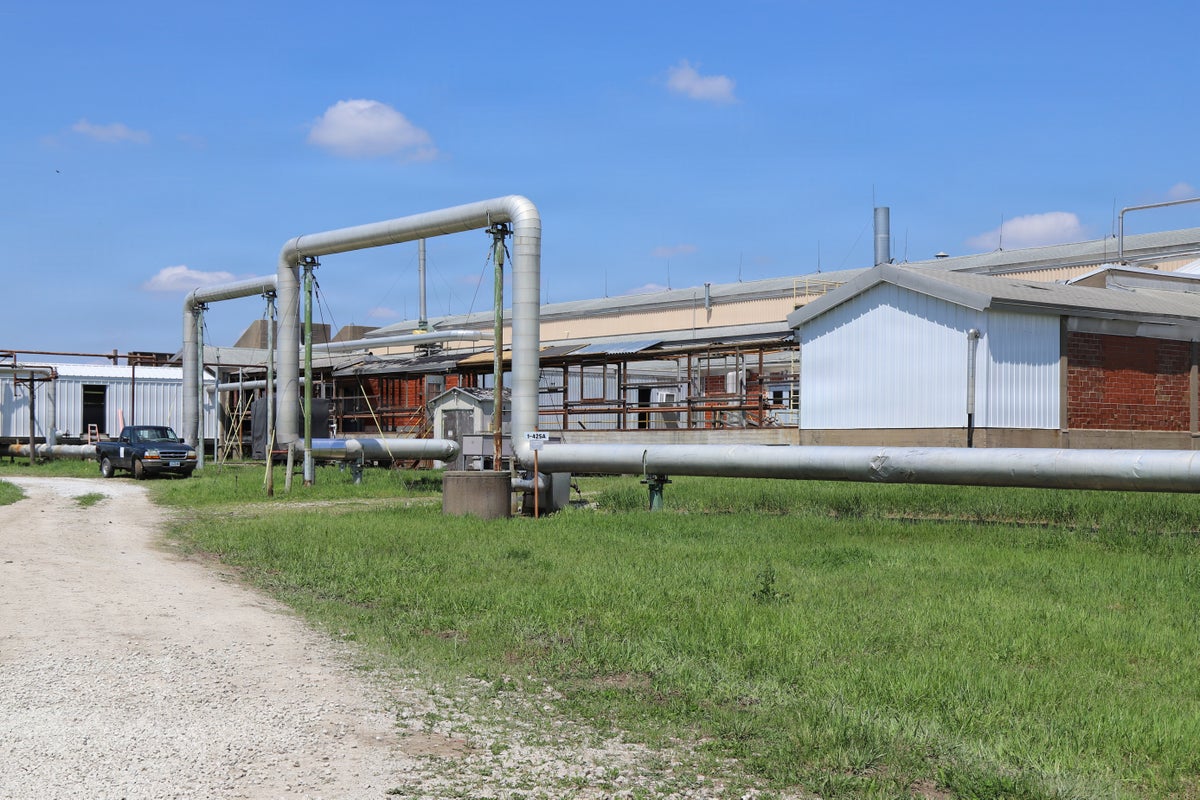
The U.S. Army is scheduled to detonate approximately 5 tons of degraded lead azide on Friday, Nov. 20, at the Iowa Army Ammunition Plant. Officials stated the bomb-making chemicals have become unstable after sitting for more than 20 years, making them too dangerous to relocate. An advisory warned that the detonation will create an air plume containing lead particles that will disperse and deposit on the ground in southeast Iowa and potentially parts of Illinois.
The chemicals were stored in barrels submerged in ethanol and water within earthen-covered containers. During a routine check earlier this year, the Army discovered some water had evaporated, causing the lead azide to crystallize. According to an emergency permit approved by the Environmental Protection Agency (EPA) on Nov. 13, this crystallization makes the material sensitive to friction and shock. Justine Barati, a spokesperson for the Army Sustainment Command, stated that officials are concerned the material could detonate on its own, particularly as temperatures drop.
The detonation plan involves two blasts. To mitigate lead dispersal, the Army has surrounded the barrels with concrete and soil, with sand barriers stacked two stories high. Crews will spray the soil with water and mist the air during the event to attempt to keep lead particles on Army property. The EPA will maintain a command center in Mediapolis to sample air, soil, and water. Residents in the nearby town of Middletown have been advised to vacate the area on Friday morning or remain indoors with windows and doors closed.
The detonation has caused disruptions to local services and education. The Mediapolis Community School District canceled all classes, sports, and events for Friday, Nov. 20, while the local public library will also close. The local fire department plans to hose down public playgrounds following the blasts. Residents and local officials, such as Mediapolis Deputy City Clerk Amy Stucker, have expressed concerns regarding a perceived lack of information prior to the public advisory issued on Sunday, Nov. 15.
The EPA and local municipalities will conduct environmental testing to determine the extent of contamination following the execution of the blasts on Friday morning. Illinois officials have also urged the military to conduct sampling in that state.