The U.S. Army is scheduled to conduct a controlled detonation of approximately five tons of unstable explosives at the Iowa Army Ammunition Plant in Middletown on Wednesday morning. The operation, set for 9 a.m. local time, follows a legal dispute that briefly delayed the Army's plans to dispose of the degrading materials. Military officials stated the action is necessary to prevent a spontaneous, uncontrolled explosion of the aging stockpile.
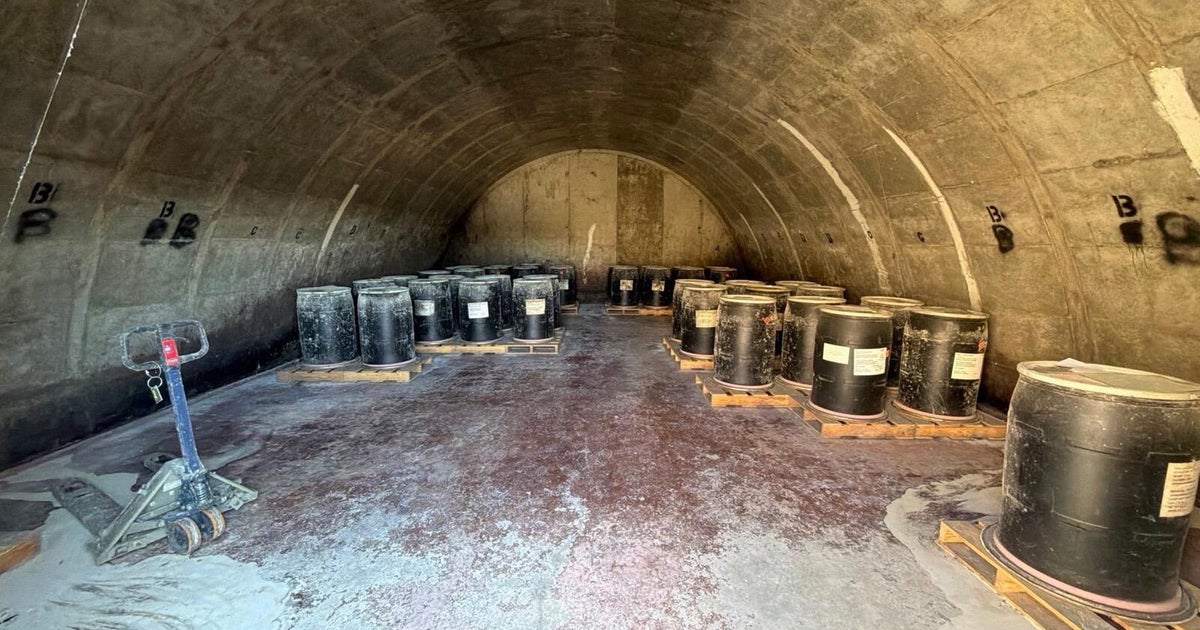
The explosives consist of lead azide, a compound used in ammunition production since World War I. According to the Environmental Protection Agency (EPA), the plant contains 68 barrels, or roughly 10,000 pounds, of the material that has degraded over about 20 years in storage. This degradation resulted in recrystallization, a process that makes the compound more susceptible to detonation from friction or movement. Acting Secretary of the Army Adam Telle noted on Tuesday that falling temperatures have further increased the volatility of the material.
The planned detonation faced opposition from local residents and environmental groups who filed a lawsuit to block the emergency permit granted by the EPA. Opponents argued that the agency failed to provide adequate notice or evidence that detonation was the best course of action. They expressed concern that the blast would create a toxic plume of lead dust. Army maps released Tuesday indicated the dust cloud could travel up to 100 miles, with the most potent effects expected within 30 square miles encompassing parts of southeastern Iowa and northeastern Missouri.
The detonation affects residents in the Middletown area, a community of about 350 people, as well as those living in a potential impact zone across state lines in Iowa and Missouri. The Army's own projections show a potential impact area where lead dust could travel over homes, playgrounds, and agricultural lands. While the Army states the blast will be controlled, residents in the immediate vicinity face the potential for environmental exposure to lead, which environmental groups have raised as a health concern for the local population.
The scale of the operation involves 10,000 pounds of explosives, a volume that the 8th Circuit Court of Appeals weighed against the potential for an unintentional disaster. In lifting a stay on the detonation on Monday, the court acknowledged the risks of the plume but determined that the danger of an accidental, unmanaged explosion posed a greater threat. For households within the 100-mile potential travel path of the dust cloud, the event represents a localized environmental event with possible consequences for soil and air quality, though the exact density of lead deposition per acre has not been reported.
What happens next depends on the execution of the 9 a.m. blast on Wednesday. Acting Secretary of the Army Adam Telle stated that the current weather forecast provides "ideal" conditions for protecting public health. Following the detonation, local agricultural interests and health officials will likely monitor the region for lead contamination. While President Trump previously indicated that the approval of Iowa Governor-elect Rob Sand was a factor, Sand has not yet taken office and was not legally required to authorize the military operation. Military officials have maintained that inaction is no longer feasible due to the increasing instability of the chemicals.