The Plain Record

Neutral daily news — clear headlines, complete facts.

Weather

Atmospheric rivers forecast to bring heavy rain and flooding to Pacific Northwest

Successive atmospheric rivers are expected to bring heavy rain and potential flooding to Washington and Oregon during a period of high annual tides.

Published November 13, 2026 at 6:36 AM EST

The short answer

Successive atmospheric rivers are expected to bring heavy rain and potential flooding to Washington and Oregon during a period of high annual tides. The Pacific Northwest is experiencing a sequence of atmospheric rivers that are expected to bring heavy rain to Oregon and Washington.

Atmospheric rivers forecast to bring heavy rain and flooding to Pacific Northwest

The Facts

Who
National Oceanic and Atmospheric Administration (NOAA), National Weather Service, and researchers from UC San Diego.
What
Atmospheric rivers causing heavy rain and flooding.
When
Friday and Saturday following earlier storms in the same week.
Where
The Pacific Northwest, specifically Washington and Oregon.
Why
Atmospheric rivers are responsible for 90% of flood damage in the Western U.S. and are currently coinciding with high tides and El Niño conditions.

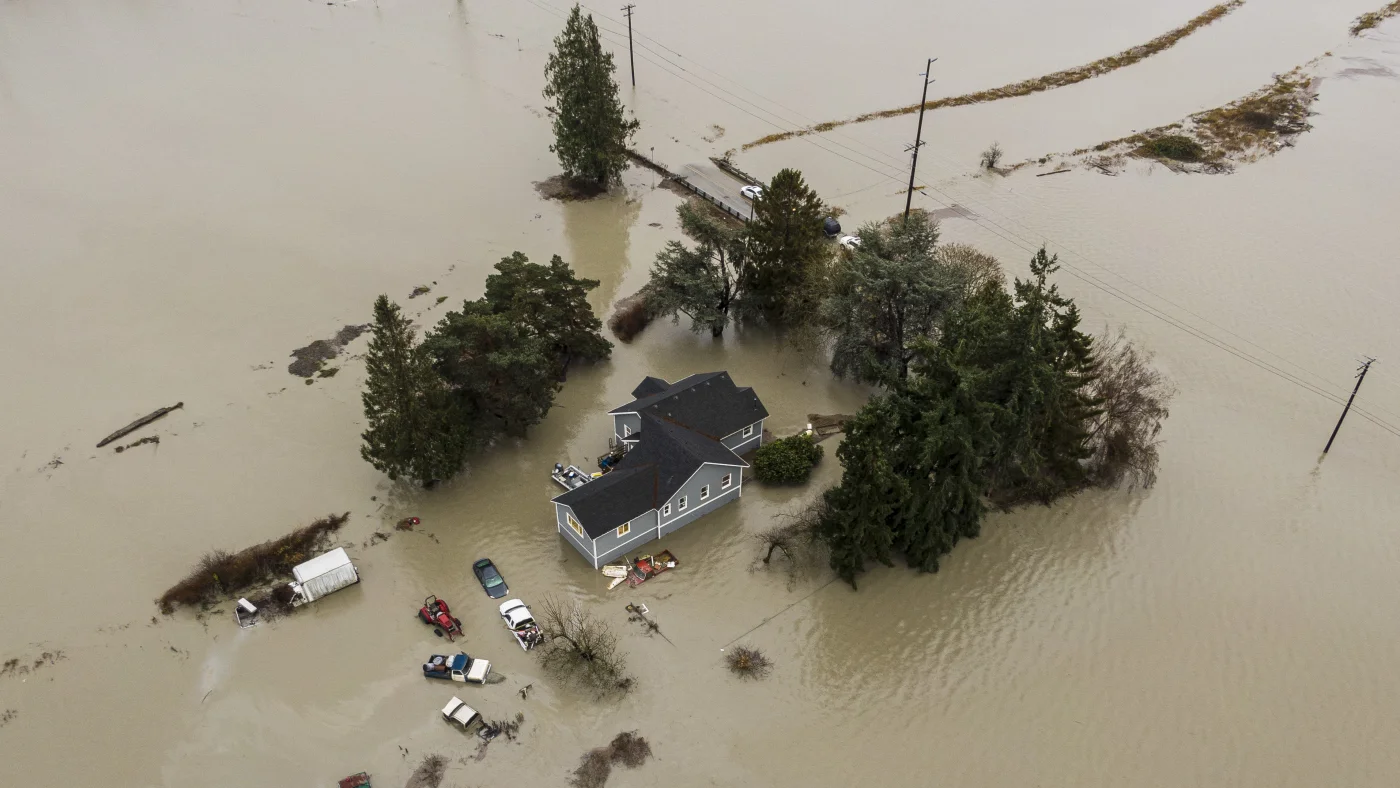
The Pacific Northwest is experiencing a sequence of atmospheric rivers that are expected to bring heavy rain to Oregon and Washington. These weather systems coincide with king tides—annual high tides—and rising sea levels, creating conditions that meteorologists say increase the risk of flash flooding, urban flooding, and landslides.

Atmospheric rivers are narrow bands of water vapor, often reaching 2,000 miles in length and 600 miles in width, that transport moisture through the atmosphere. F. Martin Ralph, director of the Center for Western Weather and Water Extremes at UC San Diego's Scripps Institution of Oceanography, describes them as "a river in the sky." Approximately 50% to 60% of California's annual rainfall is generated by these systems, according to Josh Weiss of the National Oceanic and Atmospheric Administration (NOAA).

Two atmospheric rivers already moved through the region earlier in the week, dropping multiple inches of rain. Forecasters expect two additional systems to move across Oregon and Washington on Friday and Saturday. National Weather Service meteorologist Jeff Michalski stated that the Washington coast could see 20-foot swells during the weekend.

While atmospheric rivers are a natural climate pattern, their impact can be intensified when they occur alongside El Niño conditions and king tides. This combination can lead to higher water levels in waterways and along shorelines. A previous "Pineapple Express" system in late October caused flooding and multiple deaths in the Four Corners region, illustrating the potential severity of these weather events.

Climate scientists report that while a warming atmosphere holds more water vapor, there is currently insufficient data to directly link the weather pattern to human-caused global warming. Research by F. Martin Ralph also suggests these systems do not necessarily become stronger during El Niño years. Following the systems expected this Friday and Saturday, meteorologists will continue to monitor moisture levels throughout the winter season, which is predicted to be warmer and wetter.

Summaries are written by The Plain Record to state the facts of a story plainly and without political slant. Drafted with AI assistance and checked against the source record before publication. See how we report, or report a correction.

← Back to the front page

Questions readers ask

What happened: Atmospheric rivers forecast to bring heavy rain and flooding to Pacific Northwest?

The Pacific Northwest is experiencing a sequence of atmospheric rivers that are expected to bring heavy rain to Oregon and Washington. These weather systems coincide with king tides—annual high tides—and rising sea levels, creating conditions that meteorologists say increase the risk of flash flooding, urban flooding, and landslides.

Who is involved?

National Oceanic and Atmospheric Administration (NOAA), National Weather Service, and researchers from UC San Diego.

When did this happen?

Friday and Saturday following earlier storms in the same week.

Where did this happen?

The Pacific Northwest, specifically Washington and Oregon.

Why does this matter?

Atmospheric rivers are responsible for 90% of flood damage in the Western U.S. and are currently coinciding with high tides and El Niño conditions.