Greek and Senegalese authorities reported at least 61 deaths across three separate migrant vessels attempting to reach Europe. The incidents occurred on routes leading toward the Greek island of Crete and the Spanish coast, resulting in the recovery of dozens of bodies and the rescue of survivors.
The deaths come amid a reported shift in migration patterns toward the eastern Mediterranean. While overall irregular border crossings into the European Union (EU) decreased by one-third in the first nine months of 2024, the European Union's border agency, Frontex, identified the eastern Mediterranean as the busiest route for those attempting to enter the bloc.
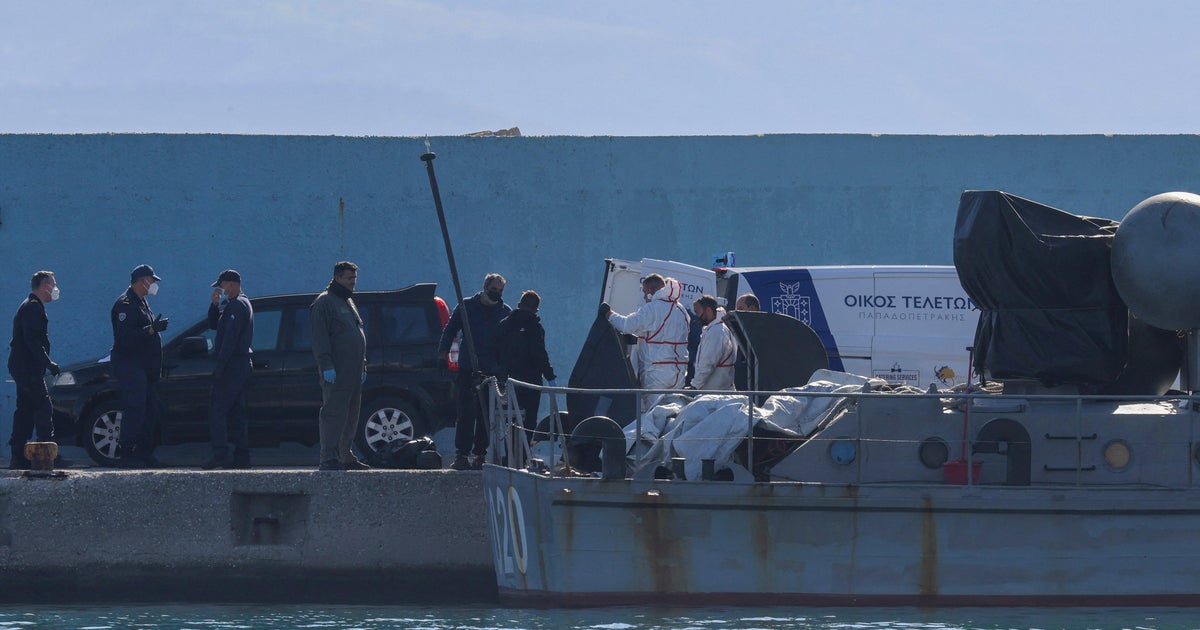
In Greece, the coast guard recovered 13 bodies from a boat south of Crete early Monday, with a 14th person dying later at a health center. On Sunday, authorities recovered eight additional bodies from a separate vessel off Crete, where 28 Sudanese survivors were rescued. Near Senegal, emergency services reported Monday that the death toll from a Sunday capsizing rose to 39 people. That vessel had departed Saint-Louis and was traveling toward the Spanish coast before overturning near Kébémer.
Beyond the fatalities, Greek authorities intercepted three additional boats south of Crete on Monday morning carrying approximately 47, 40, and 100 people respectively. The coast guard noted a steady number of vessels traveling from Libya to Greece, a route that has become a primary corridor into Europe for those fleeing conflict and poverty in Africa, the Middle East, and Asia.
For the individuals involved, the day-to-day impact is characterized by high physical risk. Migrants from Senegal frequently travel 800 miles across the Atlantic Ocean in uncovered wooden canoes to reach Spanish territory, a journey driven by high unemployment and an economic crisis. In the eastern Mediterranean, migrants often utilize unseaworthy inflatable dinghies or small boats to cross from Turkey or North Africa. Those who survive these crossings and are intercepted by authorities are typically transferred to processing centers, such as those on the island of Crete.
The knock-on effects include increased pressure on maritime police and health resources in Greece and Senegal, as well as heightened enforcement measures. Senegalese President Bassirou Diomaye Faye has pledged to clamp down on the networks organizing these crossings. In Greece, two Sudanese citizens were arrested on suspicion of people smuggling following the rescue operations this week. Law enforcement and border agencies like Frontex continue to monitor these routes using aircraft and drones. Next steps include the ongoing search for missing passengers off the coast of Senegal and the processing of the more than 180 survivors recently brought to Crete.