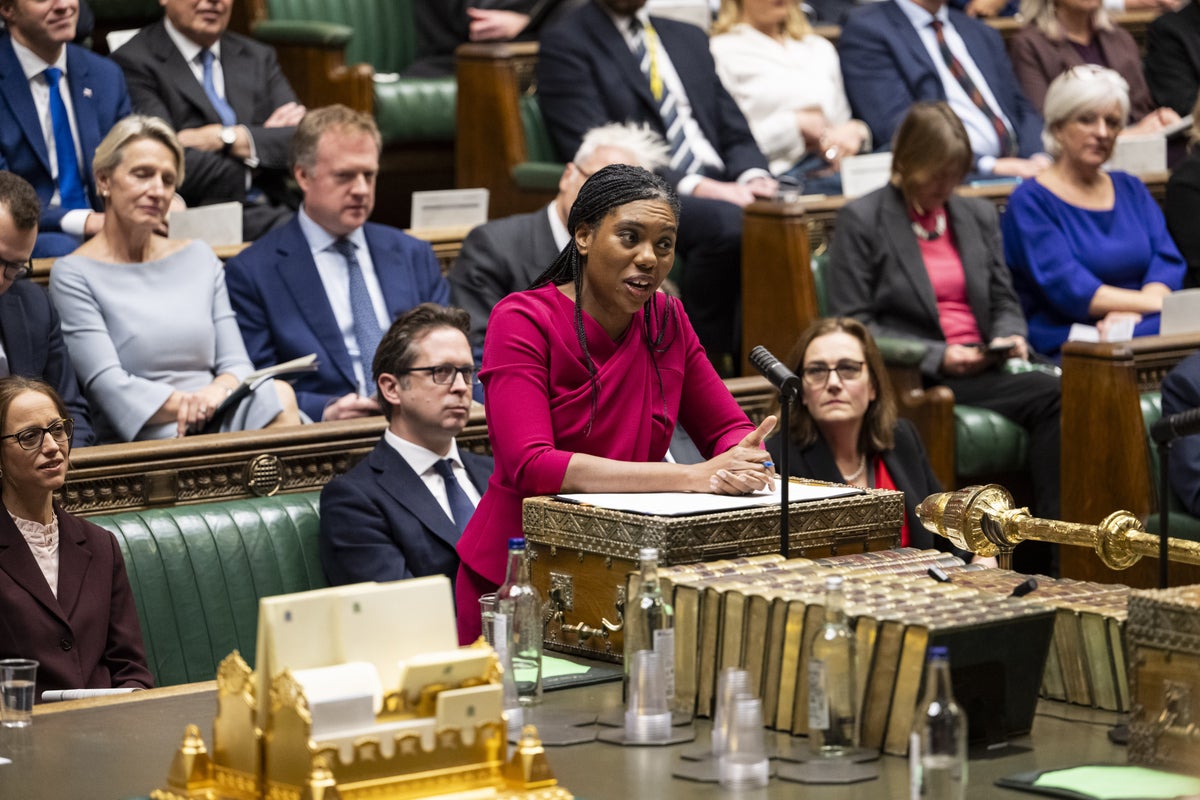
Conservative Party leader Kemi Badenoch stated on Thursday, November 19, 2026, that she stands by previous remarks linking the physical achievements of disabled athletes to the ability of others to work. During an interview on BBC Radio 4’s Today programme, Badenoch rejected claims that her comments were insensitive, arguing that individuals with mild anxiety or ADHD should be encouraged to enter the workforce.
The dispute follows a speech earlier this week where Badenoch outlined a proposal for £36 billion in welfare cuts. In that speech, she noted that "double amputees run marathons" and housebound individuals perform creative work to illustrate that people can contribute to the economy despite serious challenges. Prime Minister Andy Burnham and Paralympian Richard Whitehead have since criticized the comparison, with Whitehead stating his sporting success was being "weaponized" to justify benefit reductions.
During the Thursday interview, Badenoch described the backlash as "faux outrage" and stated she would not participate in "language and tone policing." She argued that if people with significant physical challenges can work, then those with "low-level" conditions like mild ADHD should also be working. She stated the Conservative Party's goal is to "get Britain working again" by assisting those who are capable of employment in finding jobs.
Richard Whitehead, a four-time Paralympic medalist who has run over 100 marathons, said that individual achievements should not be used to judge the needs of others. He told The Guardian that while the welfare system may require changes, support is a "lifeline" for many families and should not be removed through a blanket approach based on comparisons to his own success. Whitehead emphasized that support should be determined by actual needs rather than isolated examples of achievement.
A person affected by these changes would notice a direct reduction in their monthly government support payments if they are classified as having "low-level" conditions that the Conservative leader believes should not preclude employment. This shift would likely increase pressure on individuals to seek work in the general labor market. The Labour Party has criticized the approach, claiming it would push vulnerable families into hardship while the Conservatives argue it is a necessary step to encourage economic participation and address rising disability claims.
The debate sets a precedent for how individual physical success is used to frame broader social security policy. The dispute reached the House of Commons on Wednesday, November 18, 2026, where Prime Minister Andy Burnham called for Badenoch to withdraw her comments. The next steps involve the continued debate over the welfare budget, though specific dates for votes or implementation of the proposed £36 billion in cuts were not reported.