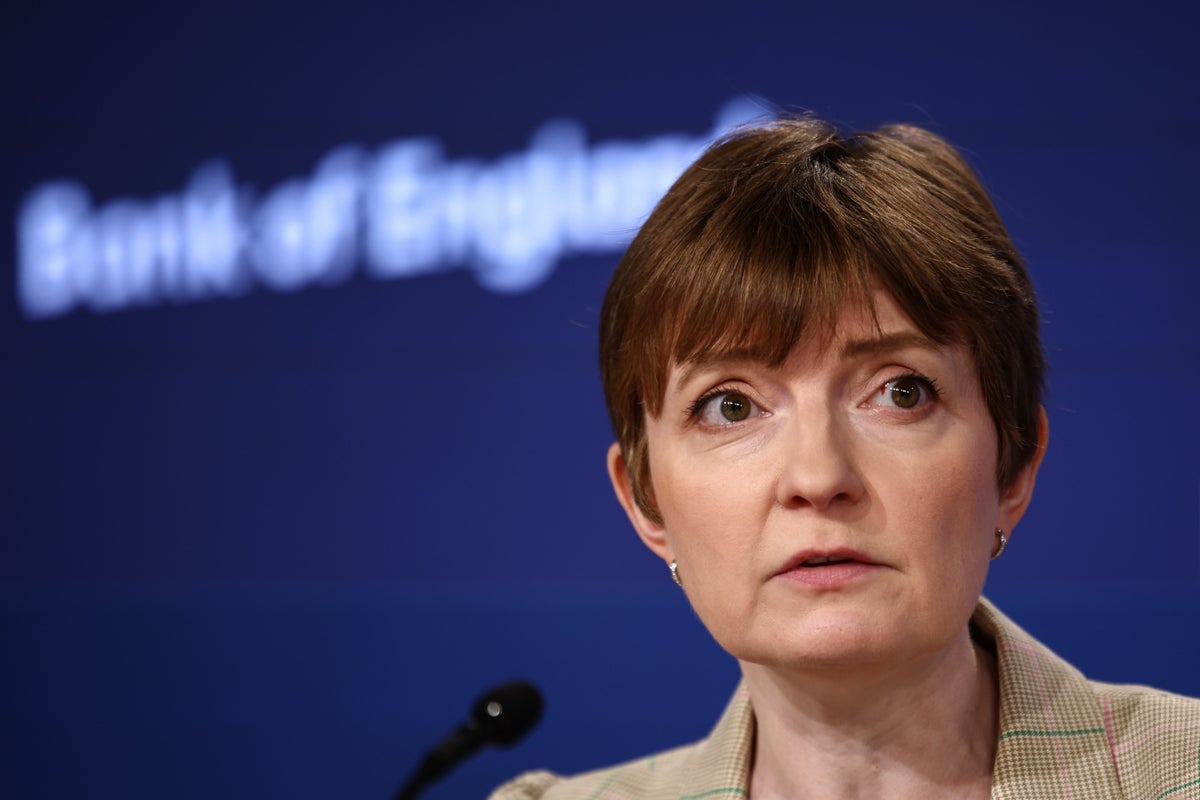
Bank of England Deputy Governor Clare Lombardelli stated on Tuesday, November 10, 2026, that interest rates may need to rise again in the near term if inflation does not decrease. Speaking at the Bank of England Watchers Conference, Lombardelli noted that the ongoing conflict in Iran has contributed to rising costs and created a risk that inflation could exceed current projections.
The warning follows a decision by the Bank’s Monetary Policy Committee last week to increase interest rates from 3.75% to 4%. That move represented the first rate hike in more than three years. The Bank currently forecasts that inflation, which sits at 3.5%, will rise to approximately 5% by the second quarter of 2027.
Lombardelli reported that the energy shock resulting from the conflict has been larger and more persistent than anticipated, suggesting that the trend of slowing inflation may have stalled. She argued for a gradual approach to further rate increases, stating the Bank should not attempt to pre-determine the full adjustment needed to meet inflation targets. Governor Andrew Bailey also indicated that further hikes are likely if the war is not resolved, though he did not specify a timeline.
Beyond energy costs, Lombardelli emphasized that she is monitoring the labor market, specifically youth unemployment and job vacancies. She stated that monetary policy decisions would consider whether hiring is recovering and if labor market conditions are effectively easing wage and price pressures. While oil prices fell below $90 a barrel on Thursday, November 5, due to hopes for a resolution to the conflict, economists remain divided on the Bank's next move, with predictions ranging from a December rate cut to a February rate hike.
The scale of this shift is tied to a projected 1.5 percentage point increase in inflation, moving from the current 3.5% to a forecast 5% by mid-2027. This change would be felt by consumers in the form of higher prices for goods and services, as the Bank monitors how energy costs feed into broader wage and price settings. A higher base rate is the primary tool the Bank uses to slow this price growth, but it simultaneously increases the cost of borrowing.
What happens next depends largely on the progression of the Iran war and its impact on energy markets. While the Monetary Policy Committee raised the rate to 4% last week, the next decision windows are expected in December 2026 and February 2027. Economists are currently monitoring oil prices, which fluctuated below $90 on November 5, as a lead indicator for whether the Bank will pause, cut, or continue raising rates in these upcoming sessions.