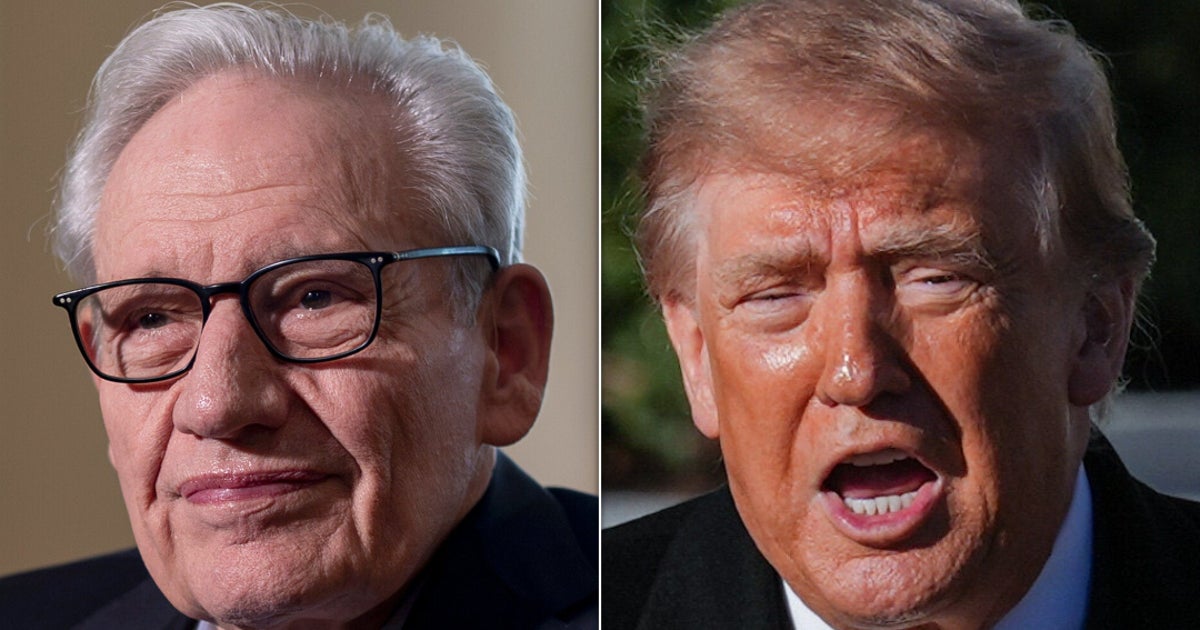
Journalist Bob Woodward criticized Washington Post owner Jeff Bezos for attending President Donald Trump’s second inauguration, stating the appearance compromised the newspaper’s neutrality. In an interview with Axios reporter Mike Allen, Woodward said the owner’s presence at the 2025 event functioned as a visible endorsement of the president. Woodward, an associate editor at the Post, expressed that such actions tarnished the reputations of both Bezos and the publication.
The criticism follows a series of interactions between the Amazon founder and the Trump administration during the president's second term. Woodward compared Bezos’s actions to those of former Post owner Katharine Graham during the Watergate era, stating she avoided taking sides to protect the independence of the paper’s reporting. Woodward and Carl Bernstein led the reporting on the Watergate scandal, which resulted in the 1974 resignation of President Richard Nixon.
Records and public appearances show Bezos has increased his engagement with the current administration. Earlier in 2026, Bezos described the president as a "more mature, more disciplined version" of himself compared to his first term. In addition to the January 2025 inauguration, Bezos visited the Mar-a-Lago resort and attended a state dinner for Chinese President Xi Jinping in September 2026.
Financial disclosures and company reports indicate that Amazon, where Bezos serves as executive chair, has provided financial support to administration-related projects. The company donated $1 million to the inauguration and is listed as a contributor to a ballroom project at a Trump property. Furthermore, Amazon paid $75 million for the production, distribution and promotion of a documentary about Melania Trump, with at least $10 million of that total going to the first lady, according to the president's financial disclosures.
The scale of this shift is documented in corporate spending and access. Amazon’s $75 million investment in the Melania Trump documentary and $1 million inaugural donation represent a financial link between the executive chair’s company and the first family. For observers, this development signals a change in the distance maintained between media owners and the subjects of their newsrooms' coverage, a precedent established during the Watergate era when the paper’s leadership avoided political socializing to protect investigative integrity.
The long-term impact involves the credibility of institutional reporting and the precedent set for how billionaires who own media outlets interact with the federal government. This relationship could influence future policy regarding antitrust regulations or government contracts that affect Amazon, creating a potential conflict between the owner's business interests and the newsroom’s mission. The public will next see the results of this dynamic through the Post’s ongoing coverage of the Trump administration and any future financial disclosures that reveal further ties between the executive branch and the newspaper’s ownership.