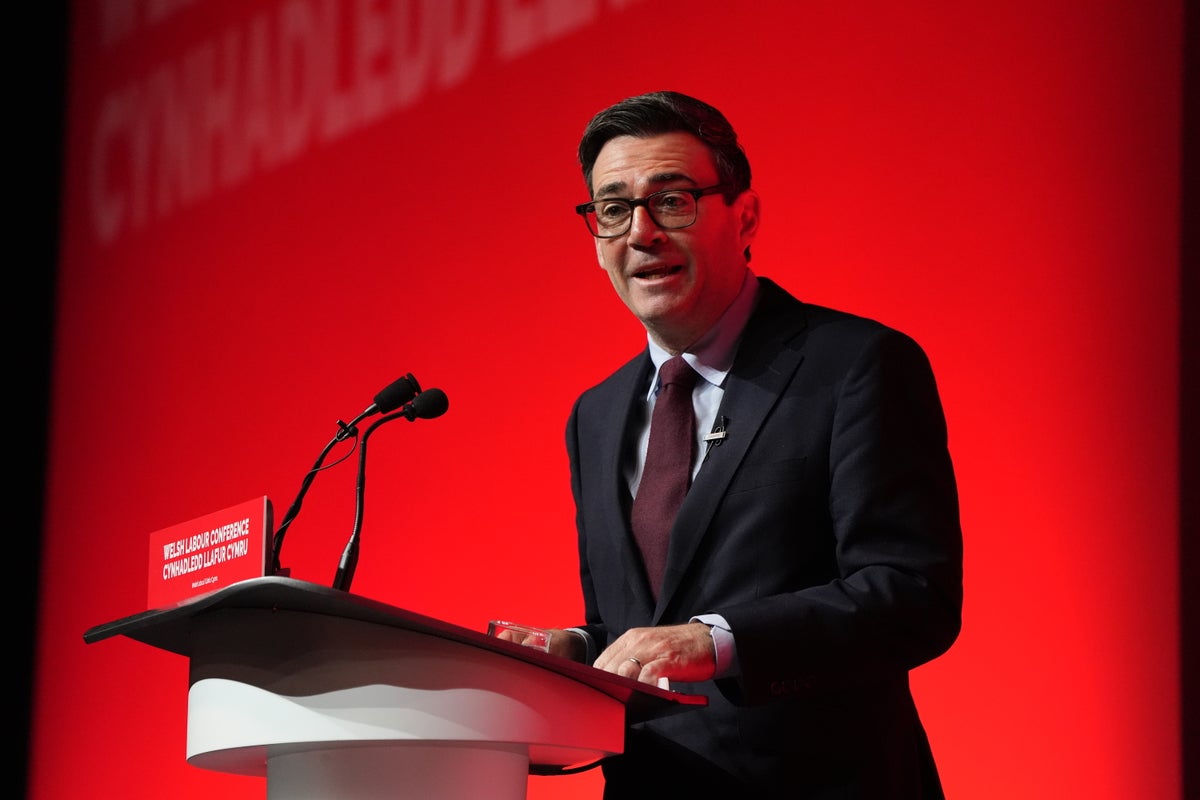
Prime Minister Andy Burnham stated on Saturday, November 14, 2026, that the Conservative Party "burned all of our bridges" with the European Union following the Brexit referendum. Speaking at the Welsh Labour conference in Llandudno, Burnham argued that the United Kingdom has "lost more than we’ve gained" over the past decade and pledged to seek new agreements with the EU to assist farmers and exporters.
The comments come amid ongoing discussions regarding the UK's relationship with the EU ten years after the 2016 referendum. During that vote, 52.5 percent of voters in Wales (854,572 people) chose to leave the bloc, while 47.5 percent (772,347 people) voted to remain. Burnham noted that the Conservative Party had implemented a "harsher and harder Brexit" than voters anticipated and said he intends to lead efforts to secure a better deal for Welsh industries.
Burnham said his approach would involve "respecting the red lines in our manifesto and respecting the referendum result." He stated that voters would be "the boss" of any potential changes to the relationship. The Prime Minister is scheduled to meet with EU leaders in Brussels next week to discuss agreements he says could increase Gross Domestic Product (GDP)—the total value of goods and services produced—by 0.4 percent. These proposed agreements cover food and farming, emissions trading, and a youth mobility scheme.
Former Prime Minister Lord Cameron cautioned against reopening the debate on rejoining the EU. In an interview earlier this week, Cameron described the prospect of rejoining as a "very long and painful argument." He suggested that "flirting with rejoining" could undermine efforts to strengthen the current partnership, as EU member states might be less inclined to negotiate a better deal if they believe the UK will eventually rejoin the bloc.
The concrete day-to-day changes for citizens would primarily involve the youth mobility scheme, which could alter how young people are able to live and work across borders, though specific age limits or duration periods were not reported. Additionally, changes to emissions trading and food standards would affect how businesses operate and report their environmental impact. These changes would likely be noticed following the conclusion of negotiations and the signing of formal agreements, which Burnham is beginning in Brussels next week.
The move sets a precedent for how the current government intends to navigate post-Brexit relations without seeking full reentry into the EU. By focusing on sector-specific deals rather than membership, the government is testing a middle-ground approach to international trade. What happens next depends on the outcome of the Brussels meetings scheduled for the week of November 16, 2026, where the specific terms for farming and youth mobility will be negotiated.