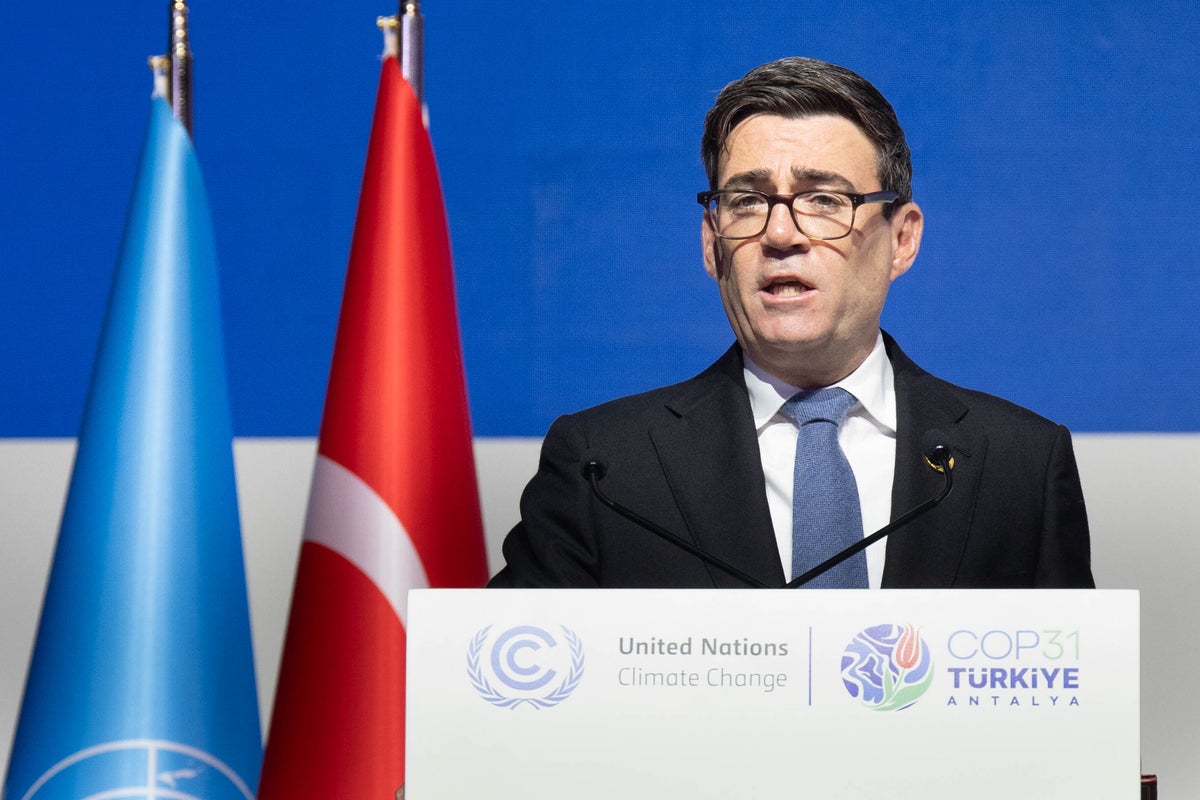
Prime Minister Andy Burnham stated on Thursday, November 12, 2026, that the United Kingdom is pursuing a "win-win" agreement with the European Union (EU) that aligns more closely with voters' expectations from the 2016 referendum. Burnham is scheduled to travel to Brussels next week to meet with European leaders to discuss several specific treaties.
The announcement comes as the UK government seeks to adjust its relationship with the EU following the 2019 exit agreement. Burnham noted that the current arrangement is more restrictive than the deal previously proposed by former Prime Minister Theresa May. He stated that the EU has initiated several requests, and the UK is presenting its own terms as part of the ongoing discussions.
In the upcoming meetings, officials intend to discuss treaties regarding food and agriculture, emissions trading, and a youth mobility scheme. The Prime Minister did not rule out the possibility of offering reduced tuition rates to young Europeans as part of these negotiations, noting his support for increased youth exchange. Following these specific pacts, the government plans to explore options for a long-term framework with the bloc.
During a meeting of the European Political Community in Ireland, Burnham addressed recent comments by former Prime Minister Lord David Cameron. Cameron stated this week that the UK's economic challenges over the past decade were not caused by Brexit and warned that discussing a return to the EU would be a "long and painful" process. Burnham disputed this, citing Treasury analysis that suggests growth could be added to the economy through agreements on emissions and agri-food standards.
The agricultural and food sectors would see changes in how goods are inspected and traded across borders. If an agri-food treaty is reached, it could reduce the volume of paperwork and physical checks required at ports, potentially affecting the speed and cost of food imports and exports. The emissions trading agreement would impact how companies account for their carbon output, aligning or linking UK and EU carbon markets, which affects operational costs for industrial energy users.
These negotiations represent a shift toward closer regulatory alignment in specific sectors without a full return to the EU. While Burnham stated that "no one's talking about rejoin," the outcome of next week's summit will determine the immediate rules for trade and travel. The Prime Minister said he would fight to get the deal "over the line" in the next seven days, providing a clearer timeline for when businesses and citizens will see changes in border protocols and educational exchange programs.