Officials at the Centers for Disease Control and Prevention (CDC) reportedly declined to issue a national health alert regarding the risks of measles during pregnancy, despite requests from agency scientists. The reporting, first published by The Washington Post, indicates that researchers sought to distribute the information via the CDC’s Health Action Network (HAN) in September.
The researchers' data was instead published this week in the New England Journal of Medicine Evidence. The study found that measles during pregnancy was associated with high rates of pneumonia, preterm delivery, and congenital measles, a condition where a child is born with the infection. According to the report, 98% of the pregnant individuals identified with measles were either unvaccinated or had an unknown vaccination status.
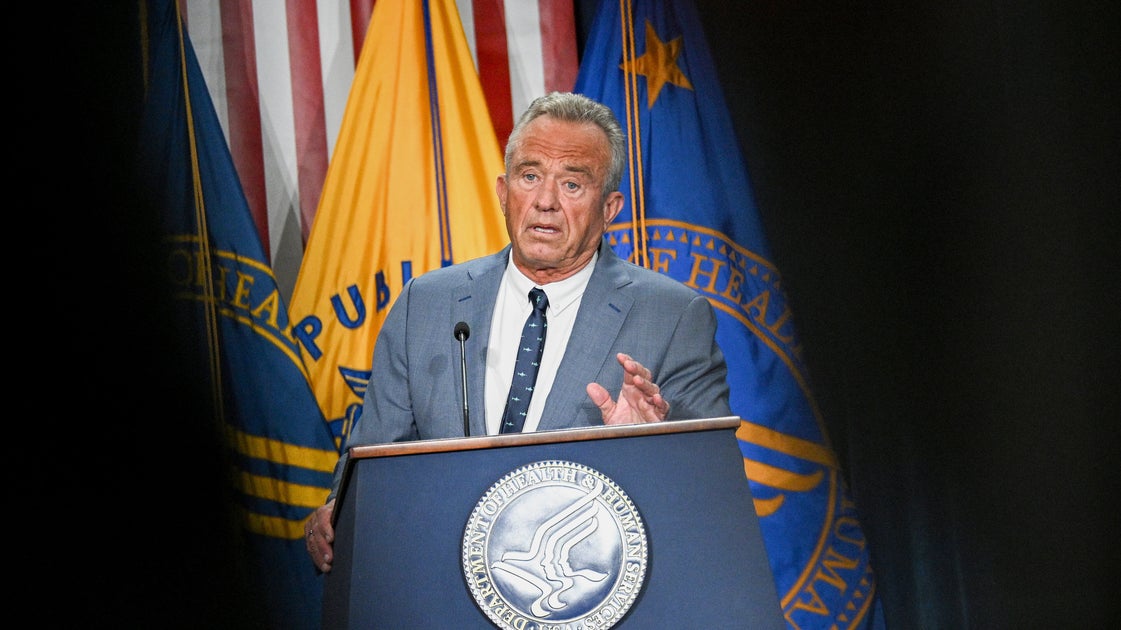
A CDC spokesperson stated that under the leadership of Health and Human Services Secretary Robert F. Kennedy Jr. and CDC Director Dr. Erica Schwartz, the agency is taking "aggressive action" to combat outbreaks. The spokesperson said researchers chose an external journal early in the process to reach clinicians as quickly as possible. The HAN, which the scientists originally requested, is the agency’s primary method for sharing urgent information about public health incidents with doctors.
The scale of the impact involves specific clinical risks: the report identified 13 cases of congenital measles, a condition not seen in the U.S. for decades. Congenital measles carries a higher risk of subacute sclerosing panencephalitis, a neurological impairment that is 100% fatal and can manifest six to 10 years after initial recovery. For infants born in the U.S. annually, the lack of immediate clinician education could affect the administration of immunoglobulins, which must be given within days—not weeks—of exposure to be effective.
The incident has led to concerns among experts like Jessica Malaty Rivera of the Infodemiology Initiative, who stated that the move reflects a "normalization" of preventable disease. Because the measles, mumps, and rubella (MMR) vaccine is a live vaccine, it cannot be administered during pregnancy or to infants under six months old, leaving these groups dependent on maternal antibodies and community immunity. Moving forward, medical professionals are advising those planning to conceive to check their antibody levels and vaccinate before pregnancy, while the CDC maintains that its publication strategy was designed for clinical speed. No further specific deadlines for additional federal alerts were reported.