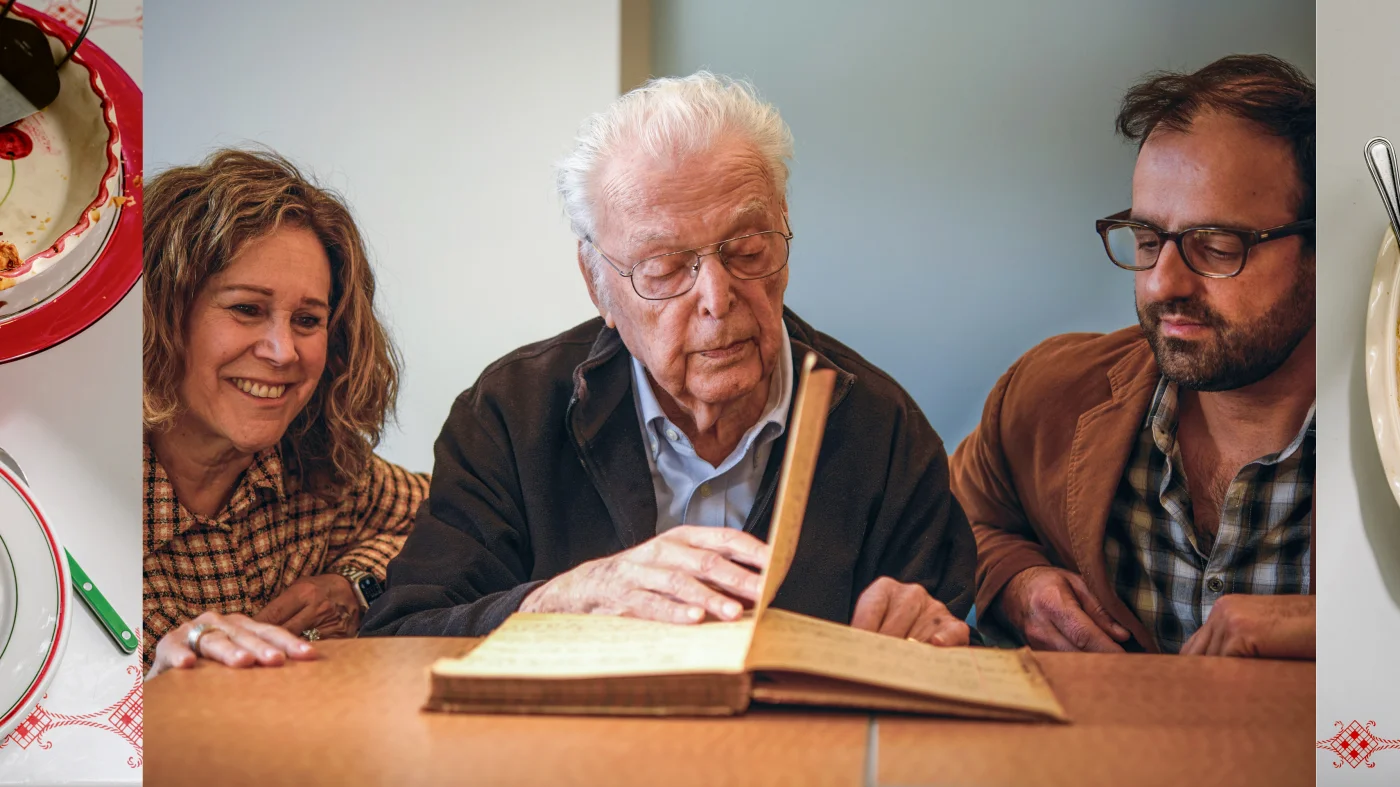
Chef Alon Shaya has released a historical cookbook titled "Memories of a Good Meal: Recipes of Resilience Inspired by Stories of World War II Survival." Co-authored by food historian June Hersh, the book compiles stories of survival from the Second World War alongside recipes connected to those experiences. Shaya, an Israeli American chef based in New Orleans, stated that he wants readers to use the recipes to inspire dinner table conversations about the stories of resilience and heroism.
The cookbook originated from Shaya’s work with the Rescued Recipes initiative at the United States Holocaust Memorial Museum, which led him to research how food functioned as a source of inspiration and memory during the conflict. Hersh described the act of remembering and discussing food memories during the war as a form of resistance.
One chapter features U.S. Army Master Sergeant Roddie Edmonds, whose unit was captured during the Battle of the Bulge. The book details how Edmonds and his fellow prisoners of war distracted themselves by discussing foods from home and planning a hypothetical restaurant called the Jolly Chef. The cookbook includes a recipe for candied yams with pecans and whipped marshmallow, a dish the soldiers had envisioned for their future establishment. Edmonds was posthumously awarded the Congressional Medal of Honor in 2026 for refusing to identify Jewish troops to German captors.
The collection includes stories from various global perspectives, such as Polish partisan fighters who lived in underground bunkers. A recipe for smashed potatoes flambéed in vodka represents these fighters; Shaya noted that vodka served as currency and a means of celebration for them. Other accounts involve a non-Jewish cook in Hungary who saved a Jewish family's recipe book before they were sent to Auschwitz, and a French village that sheltered Jewish children.
The book also addresses the experiences of Navajo code breakers and Japanese Americans who were incarcerated in military-style camps within the United States. Shaya stated that his goal is for readers to cook these dishes while recounting the stories of the individuals featured in the text. He emphasized that sharing a meal can serve as a way to break down barriers and facilitate conversation.
For the average reader or home cook, this project represents a shift in how historical education is delivered, moving it from museums and textbooks into the kitchen. Users of the book are prompted to recreate the sensory experiences—such as the "Jolly Chef" recipes—that sustained prisoners of war. This creates a day-to-day engagement with history during meal preparation, making the concept of wartime "resilience" tangible through specific ingredients and cooking techniques.
The work suggests a potential precedent for how other historical institutions, such as the United States Holocaust Memorial Museum, choose to archive and present survivor testimony. By integrating vodka-flambéed potatoes or candied yams into a historical record, the book suggests that material culture and food memory are components of history. The cookbook was released in 2026. Specific sales figures and the total number of recipes included were not reported.