Since Sudan gained independence from British-Egyptian rule in 1956, the region has experienced nearly continuous conflict. The initial phase of violence involved a movement for separation by the Christian and animist south from the Arab-ruled, Muslim-dominated north. In 2011, South Sudan achieved independence, but civil turmoil has persisted.
Internal conflicts within the south intensified during the 1980s and 1990s as rebels fought under the Sudan People’s Liberation Army (SPLA). Much of this strife occurred between the ethnic Dinka followers of SPLA leader John Garang and the ethnic Nuer followers of Riek Machar, who separated from Garang in 1991. During this period, internal conflict and famine resulted in a higher death toll than direct combat against northern forces. While the north funded some southern warlords and breakaway groups, the majority of deaths from combat and famine were among southerners.
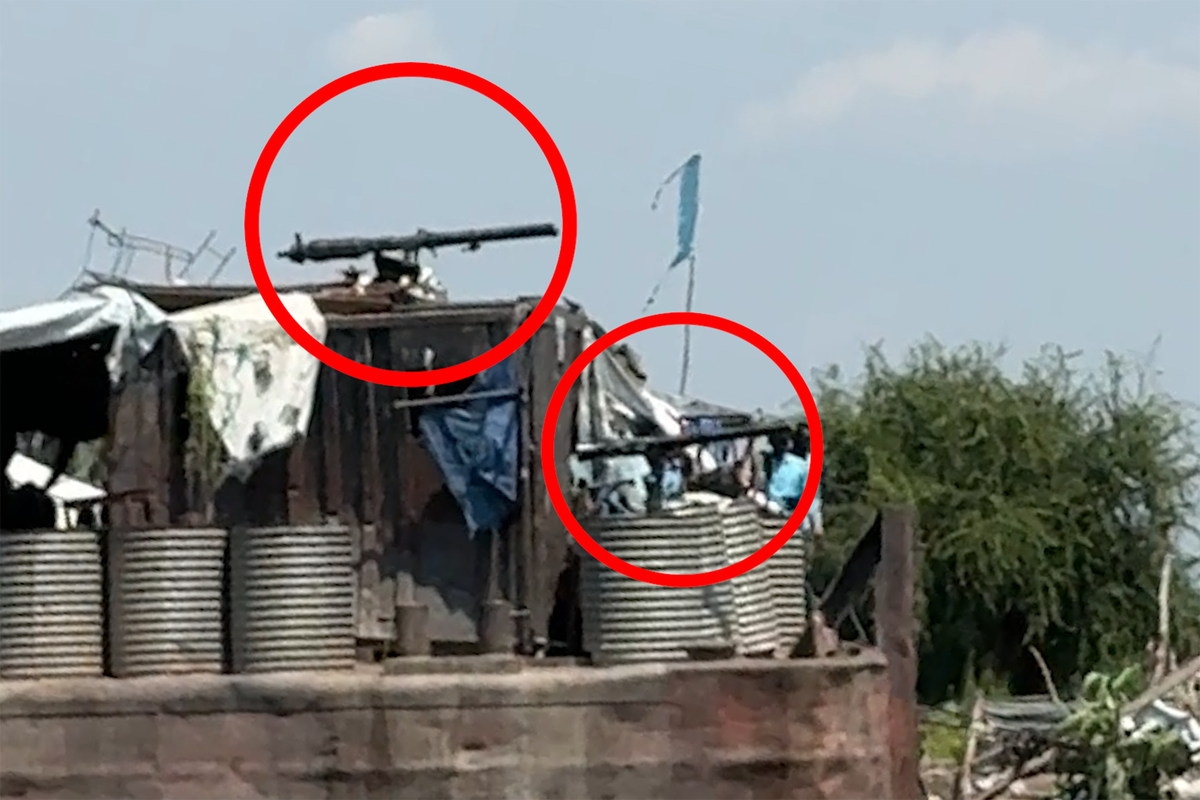
Following South Sudan's independence, civil war broke out between President Salva Kiir, who succeeded Garang, and Riek Machar, who served as vice president. The most recent escalation occurred after Machar was detained in the capital, Juba, where he is currently on trial for treason. Earlier in 2026, the government bombed several hospitals in rebel-held areas while stating it was targeting Machar’s forces. Additionally, the government issued threats to destroy entire communities as fighting moved along the White Nile into the northern and eastern regions of the country.
The management of international aid has also played a role in the country's development. A report from the early 1990s indicated that approximately 80 percent of the assistance provided to the United Nations’ Operation Lifeline Sudan was taken by SPLA rebels. This history of aid diversion established a precedent where responsibilities for infrastructure, including roads and refugee camps in South Sudan and Kenya, were supported by foreigners. Current government officials, many of whom were former rebel leaders, reportedly view national revenues as entitlements similar to the resources they accessed during the liberation war.
What happens next depends on the outcome of high-level political and legal developments. Riek Machar remains on trial for treason in Juba, a proceeding that triggered the latest round of active combat. The court's eventual verdict or any potential political settlement between the factions of President Kiir and Machar will determine whether the military operations along the White Nile subside or intensify. No specific date for a verdict or a ceasefire has been reported.