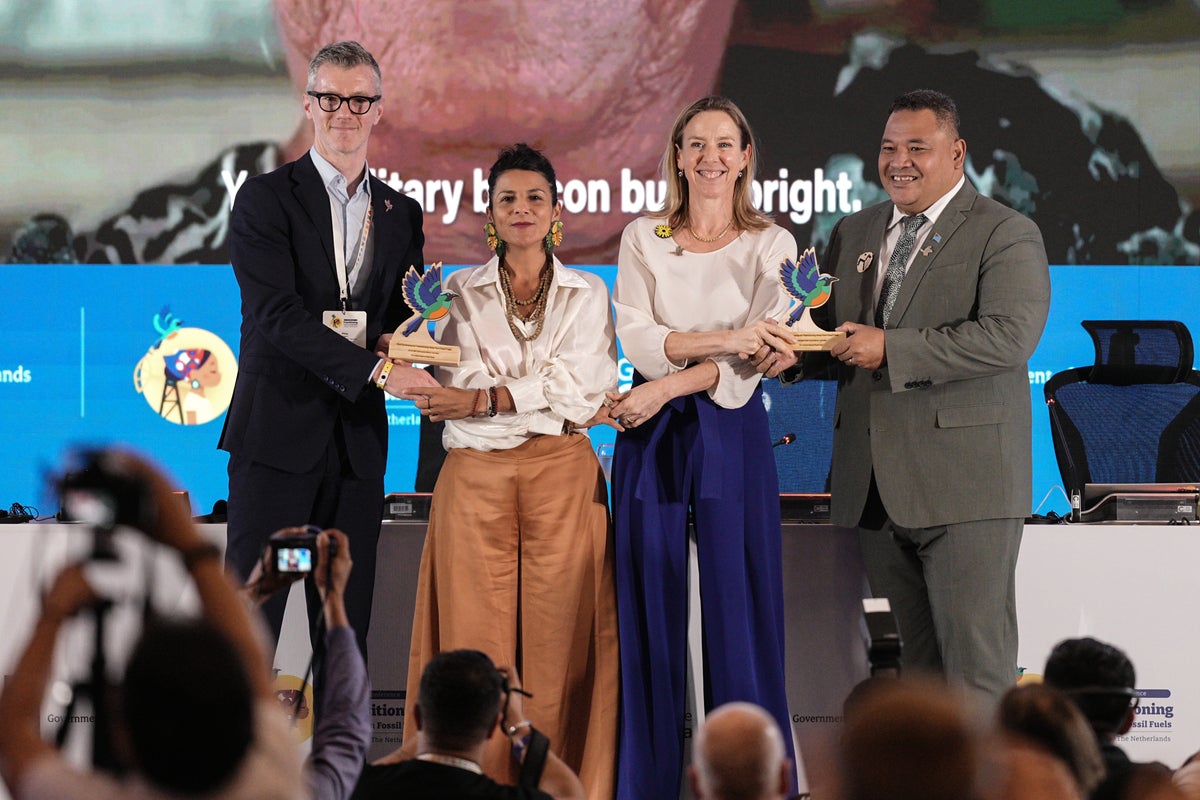
A coalition of 57 countries focused on accelerating the global transition away from fossil fuels is preparing to present new national plans at the United Nations climate summit, COP31, in Antalya, Turkey. The coalition is moving forward despite the withdrawal of Colombia, one of its founding members. According to Ireland’s Department of Climate, Energy and the Environment, Ireland and Tuvalu will take over leadership of the initiative from the Netherlands and Colombia.
The coalition was established in Santa Marta, Colombia, in April to develop national policies that reflect international commitments to reduce dependence on coal, oil, and gas. Unlike formal U.N. negotiations, this group was designed to foster open discussion without the pressure of binding agreements or specific deadlines. A progress report is expected this week detailing steps taken by member nations, including plans for reducing fossil fuel use.
Colombia's withdrawal follows the August inauguration of President Abelardo de la Espriella, who has pledged to strengthen the country's oil and gas industry and resume exploration. His predecessor, Gustavo Petro, had stopped awarding new exploration contracts as part of an environmental platform. Colombian Environment Minister Fabio Arjona stated during the past week that previous restrictions led to domestic gas shortages, and he argued that expanding natural gas supplies would ensure energy security while replacing more polluting fuels.
For the average household in participating nations, these policies are intended to eventually influence how energy is generated and consumed. However, the concrete day-to-day impact on utility bills, taxes, or job sectors remains undefined as the coalition relies on voluntary road maps rather than binding mandates. Natalie Jones of the International Institute for Sustainable Development noted that vulnerable countries will require international financial support to diversify their economies and maintain public services as fossil fuel revenues decline, though specific dollar amounts for this support have not been reported.
The next steps for the coalition include a formal leadership handover during the COP31 summit and a second international conference scheduled for July 2027. Negotiators in Antalya are currently debating whether to formally recognize the global fossil fuel transition road map in the final summit agreement. The success of these voluntary measures depends on whether governments establish clear timelines and policies to replace aging infrastructure with renewable energy. Major fossil fuel producers have yet to join the coalition in significant numbers, a factor that analysts say will determine the group's long-term influence on global energy markets.