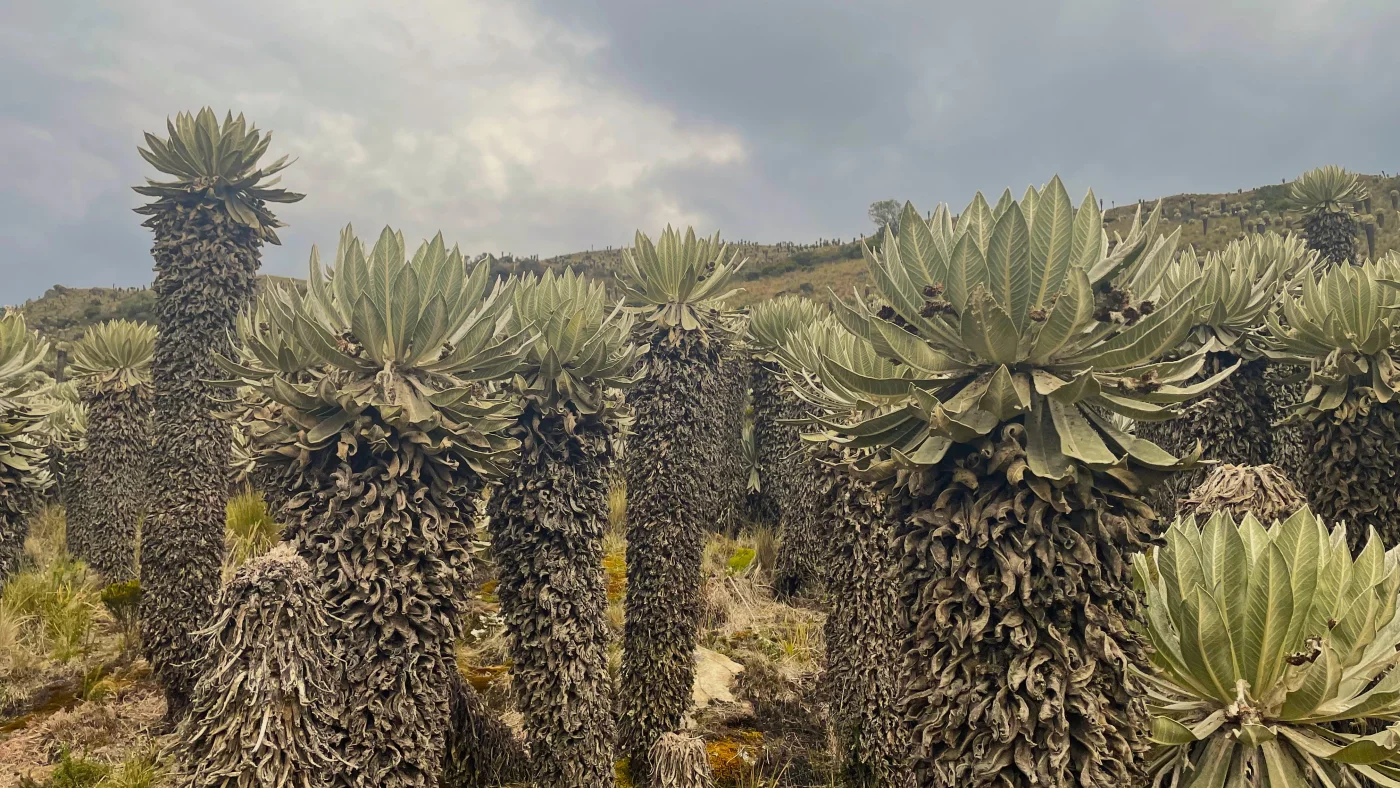
In the Andean highlands near Monguí, Colombia, a growing network of volunteers, government agencies, and former laborers are working to restore frailejons, a genus of high-altitude plants critical to the nation's water supply. These wooly-leaved shrubs, related to the sunflower, inhabit the páramos—damp, spongy wetlands that serve as the primary source for Colombia’s major rivers. Efforts to reforest these areas come as the plants face threats from agricultural expansion, mining, and climate change.
Moisés Moreno, a 53-year-old former coal miner and farmer, now operates a high-altitude greenhouse where he nurtures frailejon seedlings for transplanting. Moreno previously cleared these plants to make room for potato fields and cattle pastures but changed his vocation following a mining accident. He now leads volunteers on expeditions to replant frailejons in state parks, where they use shredded tobacco as fertilizer to help the seedlings take root in the harsh mountain climate.
The frailejon is considered a keystone species because its leaves absorb moisture from cloud cover, maintaining the hydration of the páramos ecosystem. According to Mauricio Diazgranados, chief science officer at the New York Botanical Garden, there are nearly 150 species of frailejons, but two-thirds are considered at risk and 17 are classified as endangered. The plants grow slowly, often increasing in height by only a few inches per year, though some species can eventually reach 30 feet tall.
For residents and business owners, the degradation of the páramos could lead to long-term changes in water availability and utility costs. The expansion of cattle ranching and coal mining into higher altitudes, combined with rising temperatures that allow invasive species to survive at 10,000 feet, creates a concrete shift in the mountain landscape. These changes threaten the ecosystem's ability to capture water from clouds, a process that provides the base flow for the country's hydraulic infrastructure.
The Colombian National Parks agency and the country's armed forces have joined the effort, particularly following wildfires that destroyed thousands of acres of these plants. Public awareness has been driven by a popular cartoon character, Ernesto Pérez, which serves as a national symbol for Andean conservation. While volunteers continue to plant seedlings named after loved ones in symbolic ceremonies, the long-term success of the project remains dependent on whether the slow-growing plants can survive grazing cattle and the changing climate. The source did not report specific dates for future legislative actions or new park deadlines.