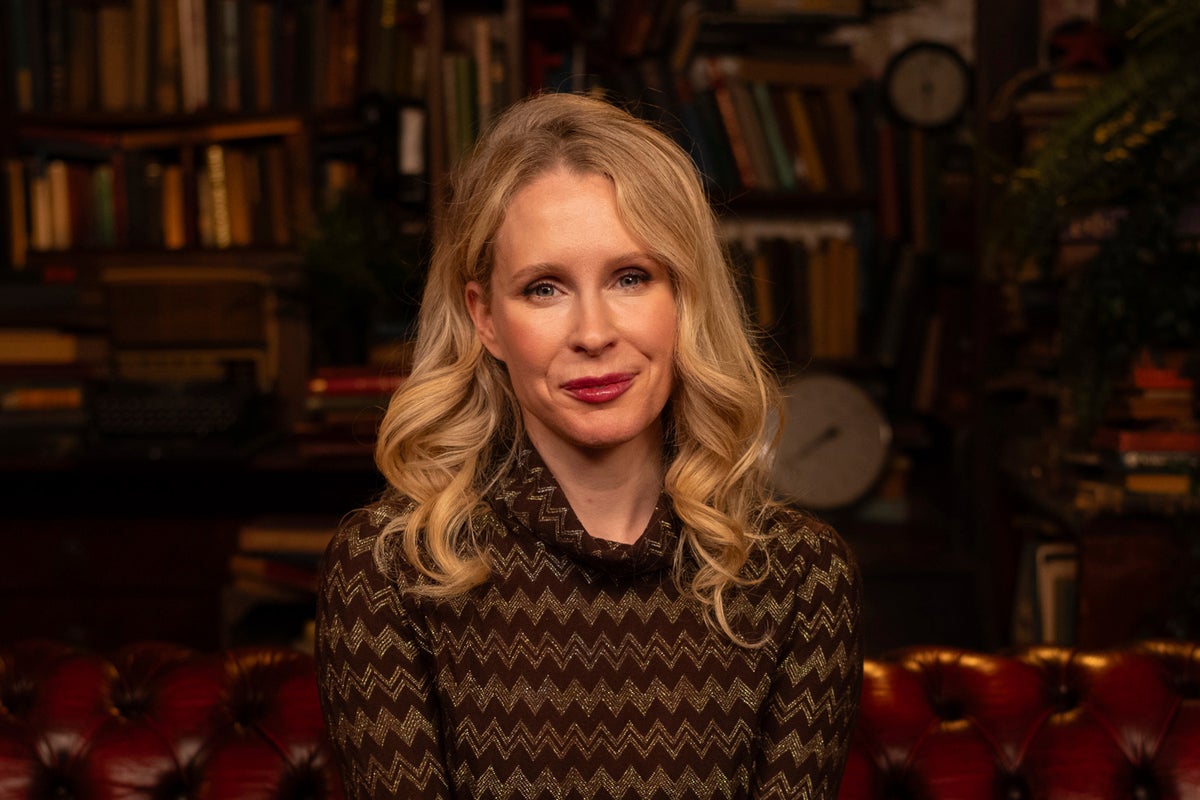
Comedian Lucy Beaumont has announced her support for the Close The Consent Gap Campaign, a movement seeking to change United Kingdom laws regarding the age of consent. Under current UK law, it is legal for adults of any age to have sexual relations with 16- and 17-year-olds. Ms. Beaumont, 43, called for legislative reform, stating that while such actions may not be criminal under existing statutes, they can have a lasting negative impact on young people.
The campaign's prominence follows a joint investigation by The Guardian and ITV News into the conduct of David Walliams, 55, a former judge on "Britain’s Got Talent" and a children's author. The investigation, which became public on Tuesday, November 10, 2026, after Mr. Walliams unsuccessfully sought an injunction to prevent its reporting, included allegations of "grooming" from multiple women who were teenagers at the time of the events. One woman characterized an encounter with Mr. Walliams when she was 15 as "sexual assault."
Ms. Beaumont identified herself as a whistleblower in the investigation, stating she had reported concerns to The Guardian three years ago. She said a colleague on a television production informed her that they had been tasked with bringing girls, who were reportedly over 16 but described as "vulnerable," to Mr. Walliams's dressing room. Ms. Beaumont noted on Sky News that while she had not witnessed the behavior herself, she attempted to address the matter privately at the time because the colleague felt there was no internal process for reporting such concerns within the TV company.
In a letter sent to investigators several months ago, Mr. Walliams denied breaking any laws or acting as a "sexual predator." He acknowledged that he had sometimes behaved "thoughtlessly" and did not always consider the feelings of those with whom he had casual sexual relationships. He stated that while a "power imbalance" exists when one party is famous, he denied abusing that power. He expressed regret that women he met 10 to 20 years ago now felt hurt or angry.
For families and young people, the outcome of this campaign would determine the legal boundaries for adult-minor relationships. If the law were changed to raise the age of consent or restrict age-gap relationships, it would alter how the police and the Crown Prosecution Service handle cases involving teenagers. Currently, as Ms. Beaumont noted, behavior that many find concerning is not prosecutable because it does not violate existing statutes. A change would grant new legal rights to minors and impose new criminal liabilities on adults, potentially affecting thousands of interpersonal interactions annually.
The push for reform also addresses the internal culture of the television and media industry. Ms. Beaumont’s statements regarding the lack of reporting structures three years ago highlight a specific challenge for media workers and freelancers who may feel unable to report suspected misconduct. Any subsequent policy changes by broadcasting companies or legislative bodies could establish new precedents for workplace safety and the protection of young performers or guests. As of November 13, 2026, no specific legislation has been introduced in Parliament, and no dates for a vote or further court proceedings regarding the investigation have been reported.