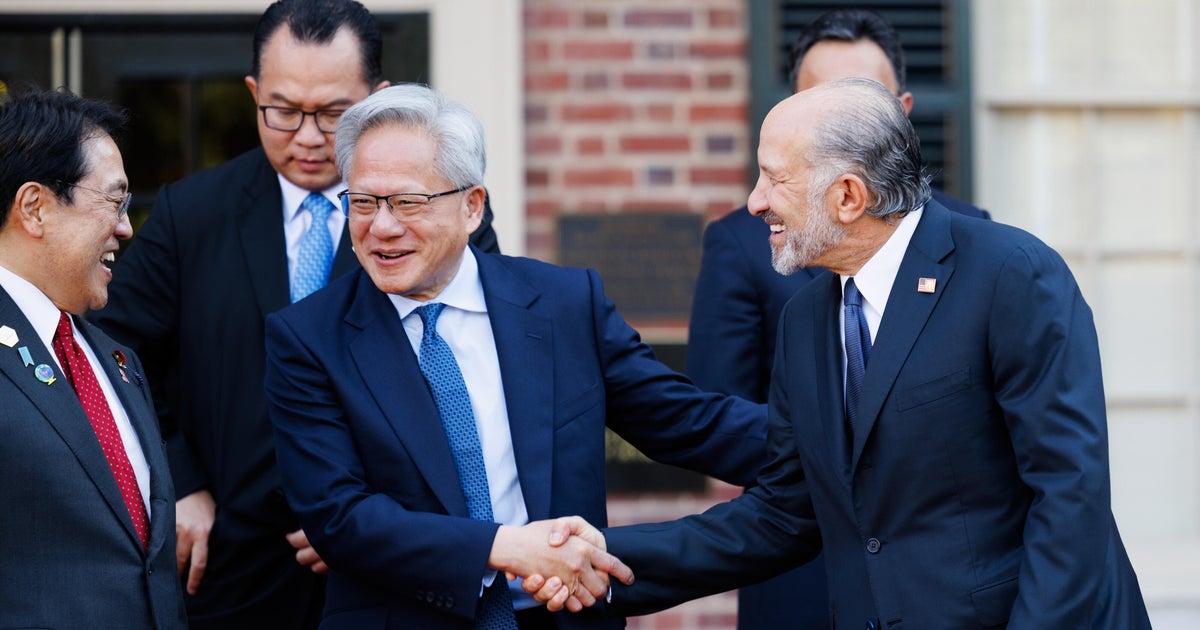
U.S. Commerce Secretary Howard Lutnick is facing scrutiny from lawmakers and ethics experts regarding the Department of Commerce's oversight of Nvidia artificial intelligence chip exports. Critics, including Sen. Elizabeth Warren (D-MA) and technology analysts, have questioned whether Lutnick’s personal relationship with former Nvidia CEO Jensen Huang and his past business ties to Chinese entities affected the agency’s enforcement of export controls. The Commerce Department, which manages the "Entity List" of foreign parties restricted from accessing sensitive U.S. technology, has not added a new company to that list since October 2025.
The investigation focuses on Megaspeed International, a Singapore-based firm run by Alice Huang, whom U.S. officials believe to be a Chinese asset. The Bureau of Industry and Security, a division of the Commerce Department, launched a probe in 2024 to determine if Megaspeed was illegally diverting advanced Nvidia chips to China. However, that investigation was later transferred to the Department of Justice, and Treasury Secretary Scott Bessent reportedly recently confronted Lutnick over the department's failure to place Megaspeed on the restricted Entity List.
Further questions involve Lutnick's prior roles as chairman and CEO of Cantor Fitzgerald and BGC Group. Before being sworn in as secretary in February 2025, Lutnick resigned his leadership positions and transferred his business interests to his children. His past holdings included a joint venture with the state-owned China Credit Trust and an investment in Satellogic, which has a contract with a Chinese data science firm through 2033. During his Senate confirmation hearing, Lutnick stated he held a "jaundiced view of China" and pledged to be vigilant against threats to U.S. technology.
For an ordinary citizen, the day-to-day impact is seen in the enforcement of federal trade laws that dictate which countries can access U.S.-developed AI, which is used in both civilian and military applications. A person might notice changes in how the government regulates high-tech exports, potentially affecting the stock value of American tech firms or the availability of specific hardware in global markets. If export controls are bypassed, critics argue it could accelerate the military capabilities of global rivals, a change that would be felt through shifts in international security policy and future trade restrictions.
The knock-on effects could influence future policy regarding how the U.S. manages sensitive technology transfers and the precedent for how cabinet officials manage potential conflicts of interest. The transfer of the Nvidia probe from the Commerce Department to the Department of Justice signals a shift in legal jurisdiction for technology investigations. What happens next depends on several factors: Jensen Huang resigned as Nvidia CEO on Thursday, and Republican lawmakers are currently negotiating for him to appear before Congress. Additionally, Sen. Warren has called for Lutnick and Undersecretary Jeffrey Kessler to provide a formal explanation for current export control policies.