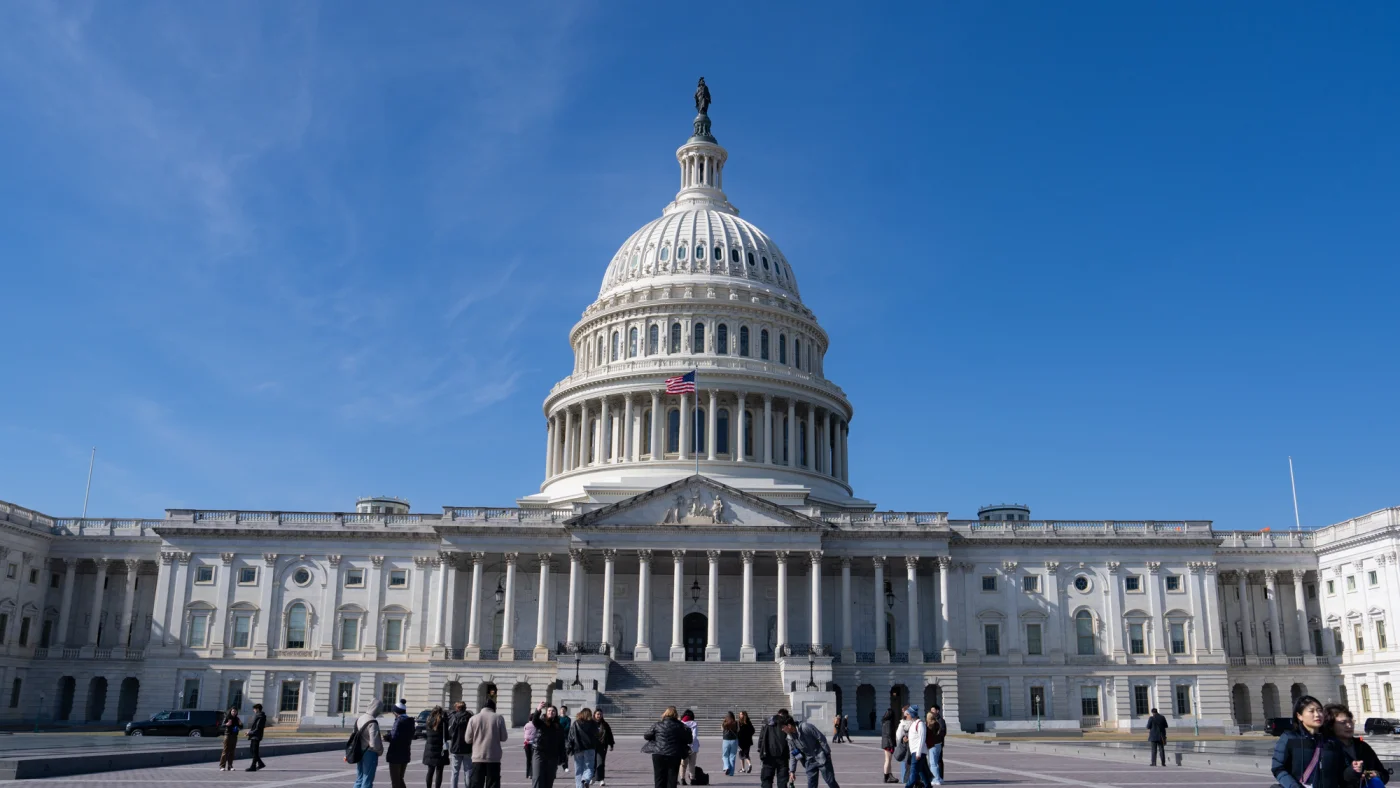
Members of the 119th Congress are returning to Washington to address several legislative priorities before control of the House and Senate transitions to Democrats in January. The primary objective for the remaining session is to pass legislation to maintain federal government operations. Current funding is set to expire on December 11, following a stop-gap measure enacted shortly before the midterm elections.
Lawmakers expect to address the budget through a continuing resolution, which is a temporary bill that maintains current spending levels. The standard process of passing 12 individual appropriations bills is not anticipated due to a lack of time and political consensus. Additionally, Congress must navigate the National Defense Authorization Act, an annual military funding package currently complicated by politics regarding the war in Iran.
In the House, a vote is likely on impeachment articles filed against Secretary of Defense Pete Hegseth. Representative Thomas Massie (R-KY) introduced the measure, which alleges the administration failed to properly consult Congress regarding military campaigns. Massie is also noted for his role in the release of the Epstein files. Meanwhile, the Senate recently passed the Protect College Sports Act, though its final status remains uncertain.
For the American public, the outcome of the National Defense Authorization Act influences military operations and funding levels during the conflict in Iran. The source notes that a majority of Americans oppose this conflict, a factor President Trump identified as a contributor to recent election results. Furthermore, the Protect College Sports Act would establish new regulations for how college athletes are compensated.
The legislative process faces logistical challenges due to the slim majorities held by the current Republican leadership and potential attendance issues following the midterm elections. Republican strategist Mike Ricci noted that members may return to the capital to finalize office closures and seek new employment. Following the conclusion of this session, a new Congress with Democratic majorities in both the House and Senate will be seated in January to begin the 120th term. Participation in a bipartisan energy permitting overhaul is expected to be delayed until that time.