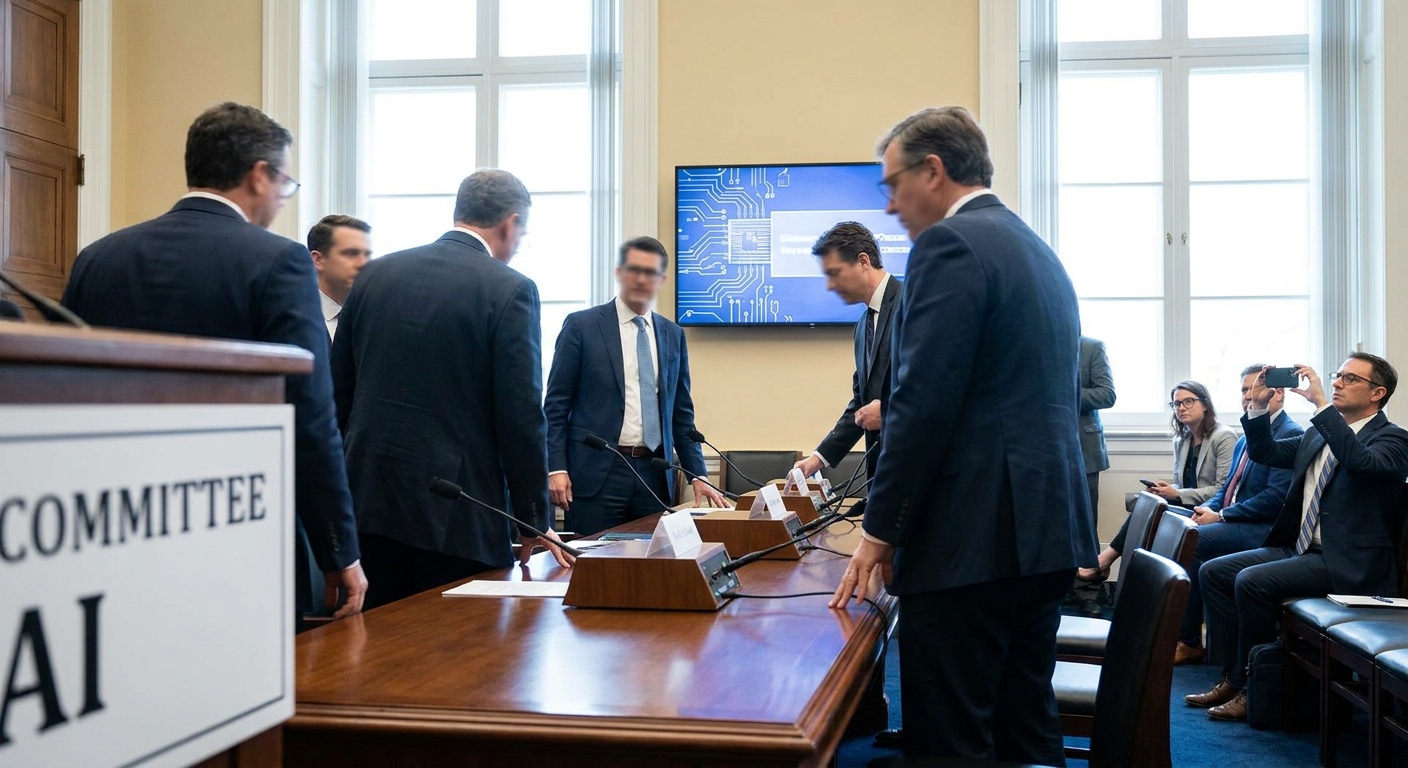
Congressional Democrats announced that regulating artificial intelligence (AI) will be a priority when the new Democratic-led Congress convenes in January. The legislative push faces potential opposition from President Donald Trump, who has advocated for a hands-off approach to ensure the United States maintains a competitive edge over China in AI development.
The focus on new legislation follows the Trump administration's efforts to roll back AI policies established during the Biden administration. President Trump has also tried to stop states from enacting their own AI regulations, arguing that such rules could slow the pace of American innovation. At a September event with technology executives, Trump stated that the U.S. must lead the sector to avoid losing global influence.
Sen. Bernie Sanders (I-VT) stated he intends to introduce several AI-related bills in the coming year, citing concerns regarding job security, data privacy, and the mental health of children. Sanders also said he wants a ban on developing super-intelligent forms of AI. Rep. Yvette Clarke (D-NY) indicated she is seeking rules to govern how AI companies utilize personal data, particularly regarding the use of information without permission. Clarke noted she hopes to gain bipartisan support for these measures.
If the proposed regulations are enacted, people may notice changes in how their personal data is protected and how AI technologies are integrated into their workplaces and schools. Rep. Clarke’s proposals target the "invasive" use of data. The exact timing of these changes depends on the legislative process, which is set to begin in January, and the potential for a presidential veto.
The outcome of this legislative session will set a precedent for federal oversight of emerging technologies. While President Trump has the authority to veto bills passed by Congress, Sen. Sanders suggested the administration might be persuadable on AI safety issues. The specific dates for committee hearings or floor votes on the upcoming bills were not reported. The next major step is the start of the new congressional session in January.