The Labor Department reported on Tuesday that consumer prices rose 0.4% in October on a monthly basis. The increase surpassed the 0.3% rise predicted by economists polled by FactSet, leading analysts to anticipate a Federal Reserve interest rate increase during the central bank's December meeting.
The October data provides a view of the economy following recent midterm elections. While the monthly inflation rate was lower than the 0.6% increase recorded in September, the Labor Department noted it could not provide a year-over-year comparison for October 2026. This was attributed to a 2025 government shutdown that prevented the collection of October 2025 consumer price data.
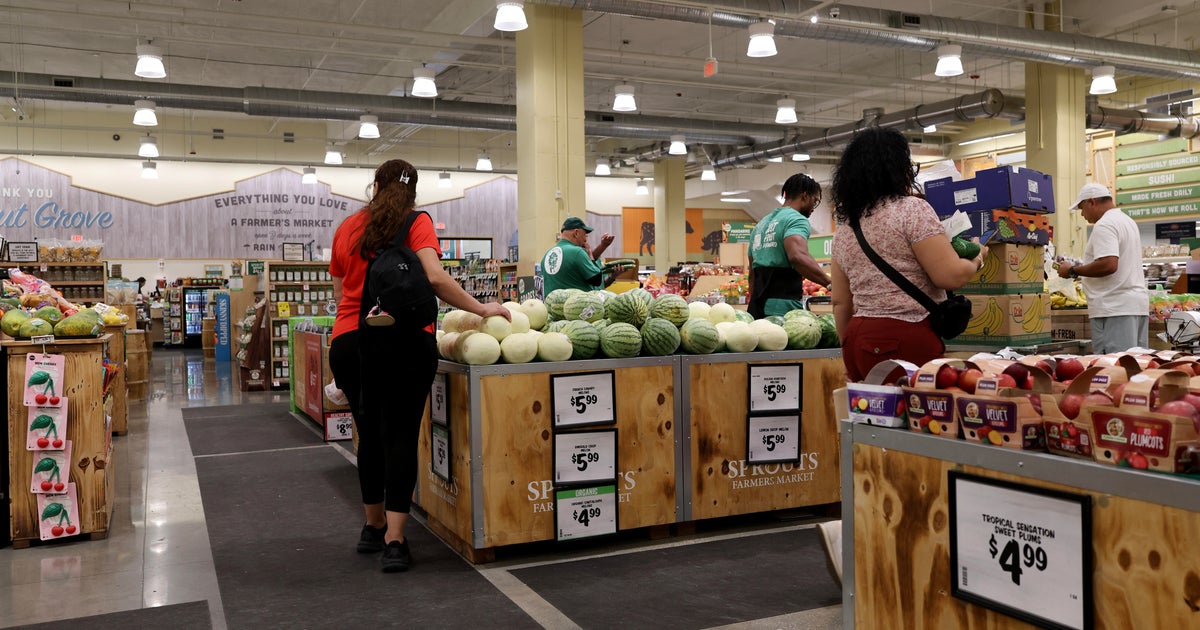
Shelter costs rose 0.3% and accounted for more than 30% of the total monthly increase. Food prices accelerated by 0.5% after remaining flat in September. Energy costs rose 0.7%, a slower pace than the 5.2% increase seen in September. According to AAA, national average gasoline prices dropped below $4 a gallon on Tuesday for the first time in nearly four months as stations transitioned to winter blends and demand decreased following summer travel.
This report affects the monthly budgets of every U.S. consumer, particularly households paying for essential goods like food and shelter. The 0.4% monthly increase in the Consumer Price Index means that for every $1,000 a household spent in September, they would need an additional $4 in October to maintain the same level of consumption. Renters and homeowners are impacted, as shelter costs alone drove more than 30% of the overall price increase. Families also faced a 0.5% rise in food costs.
Following the data release, the CME Group FedWatch tool indicated an 85% probability that the Federal Reserve will raise its benchmark interest rate by 0.25 percentage points in December, with a 15% chance of a 0.50 percentage-point hike. Federal Reserve Governor Christopher Waller stated that a larger 0.50 percentage-point hike should be considered to maintain central bank credibility.
A rate hike would influence monetary policy heading into 2027 as the Fed attempts to lower "core" inflation, which excludes volatile food and energy costs and rose 0.3% in October. Vanguard has raised its year-end 2026 core inflation forecast to 3.2%. The Federal Open Market Committee is scheduled to meet December 8-9.