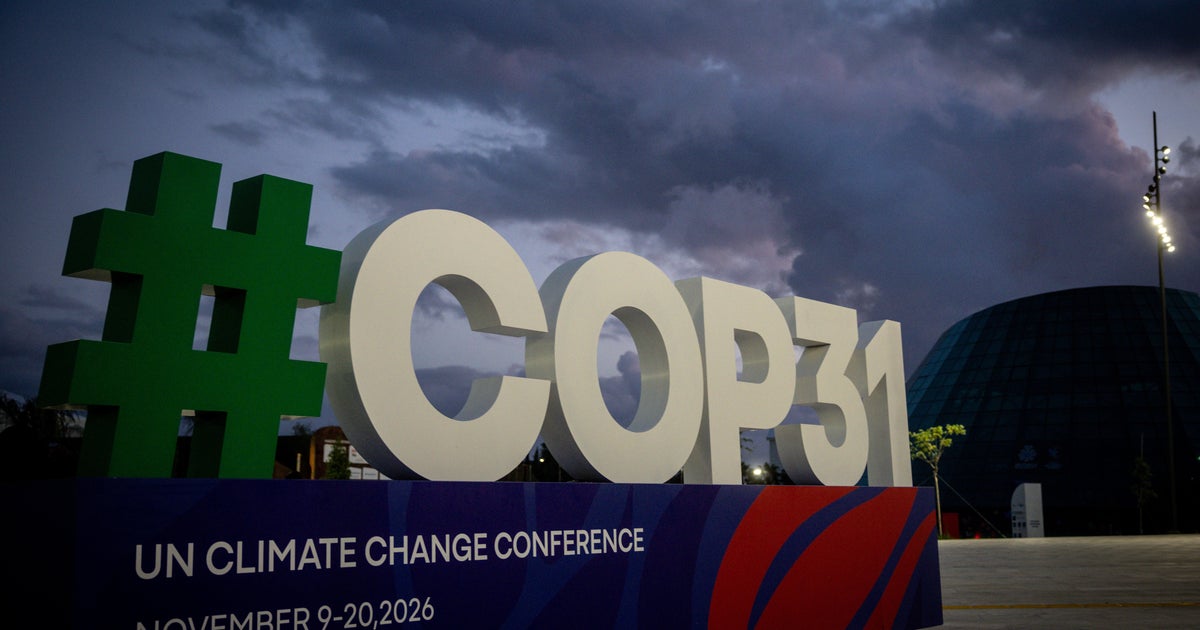
The United Nations COP31 climate conference in Antalya, Turkey, ended on Sunday without a final agreement after two weeks of negotiations reached a standstill. Delegations from nearly 200 countries failed to achieve the required unanimous consensus on a draft text, primarily due to disputes over the inclusion of language regarding the phase-out of fossil fuels. The summit, which ran past its scheduled Friday conclusion, became the longest climate conference in history.
The impasse followed the removal of language calling for "accelerated action to phase out fossil fuels" from earlier drafts after objections from major oil and gas producers, including Saudi Arabia. A coalition including the European Union, France, Panama, and several Pacific island nations rejected subsequent drafts that omitted references to reducing demand for coal, oil, and gas. COP31 President Murat Kurum, Turkey’s environment minister, stated that no agreement was adopted because the process respects the will of all parties and no text would be imposed without consensus.
Divisions also focused on climate finance and new energy targets. The Africa Group, led by Ghana’s Environment Minister Zanetor Agyeman-Rawlings, criticized the removal of a $120 billion target intended to help developing nations adapt to climate change. While the draft proposed that electricity supply more than one-third of global energy by 2035 and set goals for carbon capture technology, critics argued these measures did not substitute for direct fossil fuel reductions. The United States did not send representatives for the second consecutive year following the Trump administration's withdrawal from the Paris Agreement.
For the average household, the collapse of talks means there is currently no new international mandate to change domestic energy bills, taxes, or fuel prices through this specific U.N. framework. However, the ongoing Iran War and related disruptions in the Strait of Hormuz continue to influence energy markets independently of the summit. In the absence of a global deal, individual countries will continue to follow their own climate plans, which U.N. projections indicate currently place the world on a trajectory for just over 2.5 degrees Celsius of warming—higher than the 1.5-degree goal established by the Paris Accord.
The lack of a formal "Antalya Accord" sets a precedent where fossil fuel production remains a primary point of friction that can halt the entire U.N. climate process. If the negotiations remain suspended, the summit will have to be reconvened next year to address the unresolved draft. Negotiators and environmental advocates noted that while solar energy is currently meeting a growing share of global demand, the formal political transition away from traditional fuels remains stalled. The next steps involve determining when the parties will meet again to attempt a consensus before the next annual cycle begins.