A federal court on Monday, Nov. 23, unsealed 169 pages of heavily redacted documents related to last month's search of the Washington, D.C., home of Rep. Ilhan Omar (D-MN). The records show that federal investigators sought evidence of alleged criminal violations dating from 1980 to the present, a window that includes time before Omar moved to the U.S. in 1995 or became a citizen in 2000.
The release follows a legal dispute between federal prosecutors and U.S. Magistrate Judge Matthew Sharbaugh regarding the scope of the search. While the Justice Department argued the investigation concerned private conduct rather than legislative activity, Sharbaugh questioned whether probable cause existed for at least two of the investigated offenses. The judge also required prosecutors to allow Omar the opportunity to identify constitutionally protected legislative materials before they were searched for.
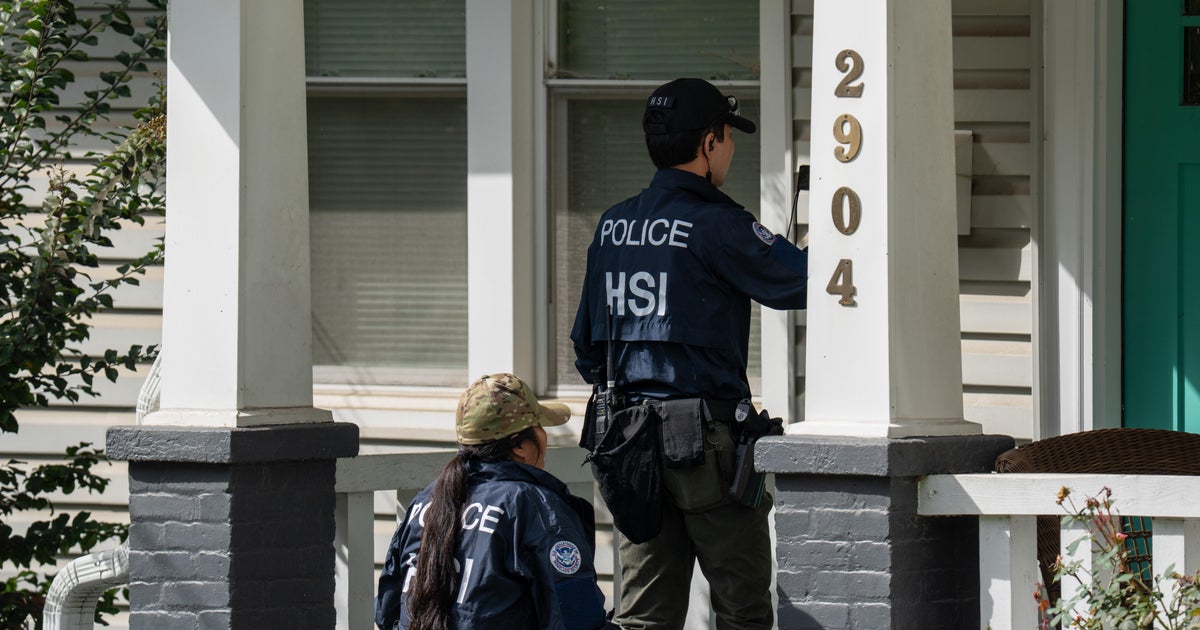
The unsealed docket lists no criminal charges, and the specific statutes under investigation remain redacted. According to the filings, federal officials applied for the warrant on Oct. 2, identifying Omar by an alternative name, Ilhan Nur Said Elmi. Homeland Security Investigations (HSI) agents executed the warrant on Oct. 12, with authorization to seize computers, cellphones, and external hard drives.
The physical search of Omar's residence occurred on Oct. 12. Because the documents are heavily redacted, it is not yet known what specific crimes are alleged. Omar has denied all wrongdoing, describing the investigation as a "sham" and an "outrageous abuse of power" intended to target political enemies.
The investigation involves a dispute regarding the search of a lawmaker's private residence and the handling of legislative privilege. Prosecutors argued in an Oct. 16 filing that they believe Omar committed crimes "over decades," though they sought to keep the files secret to protect a potential future trial. No formal charges have been filed, and the investigation remains ongoing.