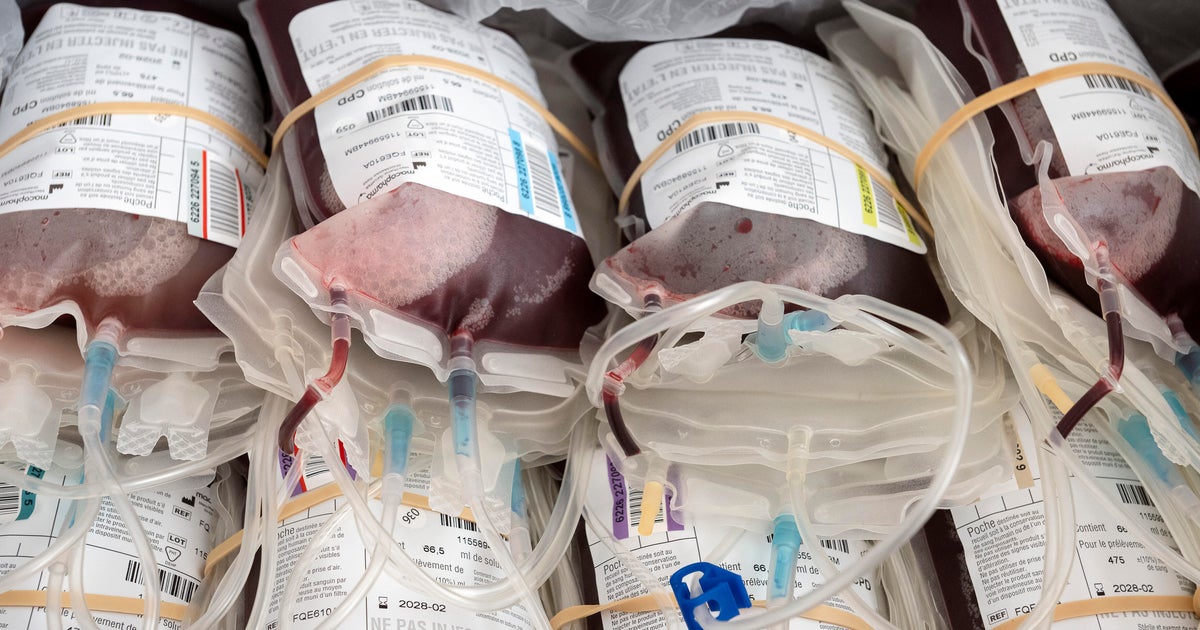
French authorities reported that a cyberattack targeted the refrigeration systems at several blood banks, attempting to significantly raise storage temperatures. The French Blood Establishment (EFS) stated that monitoring systems detected the changes late Monday at three cold-storage sites for plasma. Staff responded before any blood products or samples were compromised, and the EFS confirmed that no health consequences or product losses occurred.
The incident followed a series of similar attacks in mid-October that targeted refrigeration units at hundreds of supermarkets and independent stores across France, Belgium, and the Netherlands. In those cases, remote access was used to warm fridges and freezers, resulting in spoiled food and financial losses for retailers. French investigators are currently looking into the technical origins of the breach.
According to a report from the newspaper Le Canard Enchaîné, the hackers attempted to raise temperatures from a standard minus 22 degrees Fahrenheit (minus 30 Celsius) to as high as 230 degrees Fahrenheit (110 Celsius). The EFS said the attack targeted a supplier of refrigeration equipment rather than the agency's internal network. The affected units held bags of plasma intended for both transfusions and the manufacturing of medicines.
Coolworld, the company that supplied the refrigeration equipment, acknowledged the cybersecurity incident in a statement. The company stated that the vulnerability involved a component from a third-party supplier and was outside of Coolworld's direct control. The company reported that only a limited number of units were affected and that they are taking appropriate measures to address the issue.
The concrete day-to-day change for the public has primarily been felt in the grocery sector, where thousands of tons of food were spoiled and removed from shelves. While the blood bank breach was caught before samples were lost, the incident demonstrates how vulnerabilities in "smart" technology and third-party suppliers can directly alter the physical environment of critical facilities. A person would notice these effects through food shortages at local markets or, if successful at a blood bank, the potential cancellation of medical procedures due to spoiled supplies.
The knock-on effects involve increased scrutiny of internet-connected industrial equipment and the security protocols of third-party vendors. The precedent set by these attacks shows that hackers are moving beyond data theft to manipulating physical hardware, which could lead to stricter regulations for "smart" device manufacturers. France's national cybersecurity agency and the Health Ministry are continuing their investigation. No specific group has been identified as responsible, and no deadlines for the completion of the probe have been announced.