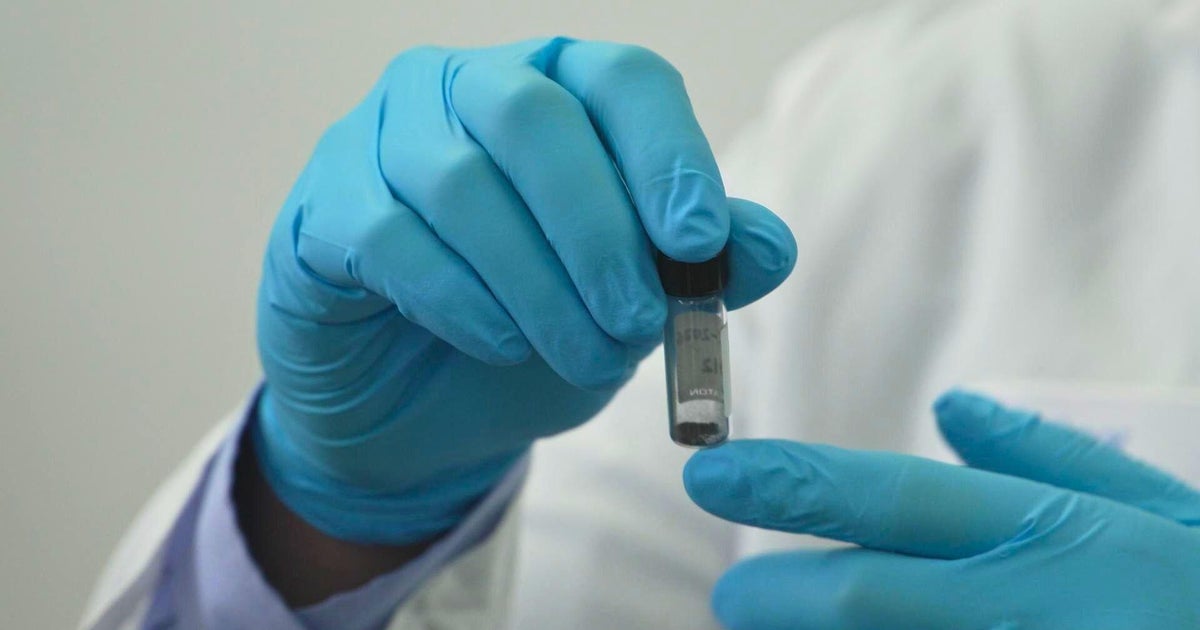
A monthslong investigation by 60 Minutes has identified a class of synthetic opioids called nitazenes that are appearing in the American drug supply. These substances, which can be up to 80 times more potent than fentanyl, are created by drug cartels through minor molecular changes to existing drugs.
The emergence of these drugs follows a pattern where illicit chemists edit chemical structures to produce new substances. According to Alex Krotulski, director at the Center for Forensic Science Research and Education, these drugs are often technically legal when they first appear because their specific chemical signatures have not yet been regulated. Once authorities make a specific substance illegal, cartels typically move on to a new variation.
Drug Enforcement Administration (DEA) Administrator Terry Cole stated that cartels utilize a global supply chain to produce these drugs. Precursor chemicals are ordered online from China and India and shipped to labs in Mexico and Canada. These chemicals are then processed into powders or pressed into pills for distribution in the United States. Many of these ingredients enter countries legally because they are also used to manufacture commercial products such as perfume and dye.
The scale of the issue is reflected in the workload of forensic labs; Krotulski’s facility near Philadelphia is currently on track to identify 50 new drugs this year. The DEA reports that cartels possess the financial resources to hire chemists to continuously tweak molecular structures. For families and medical professionals, these rapid changes mean that standard overdose responses or drug tests may not immediately account for the specific chemical variation involved in a medical emergency.
The legal and regulatory response currently operates as a reactive process. When the DEA successfully regulates a specific precursor chemical, chemists find a replacement, such as a "pre-precursor," to maintain production. This creates a cycle where regulation follows the introduction of a new substance rather than preventing it. Law enforcement and health officials must wait for forensic identification of a new drug before they can begin the process of making it illegal or developing specific public health warnings. No specific date for future legislation or new enforcement deadlines was reported.