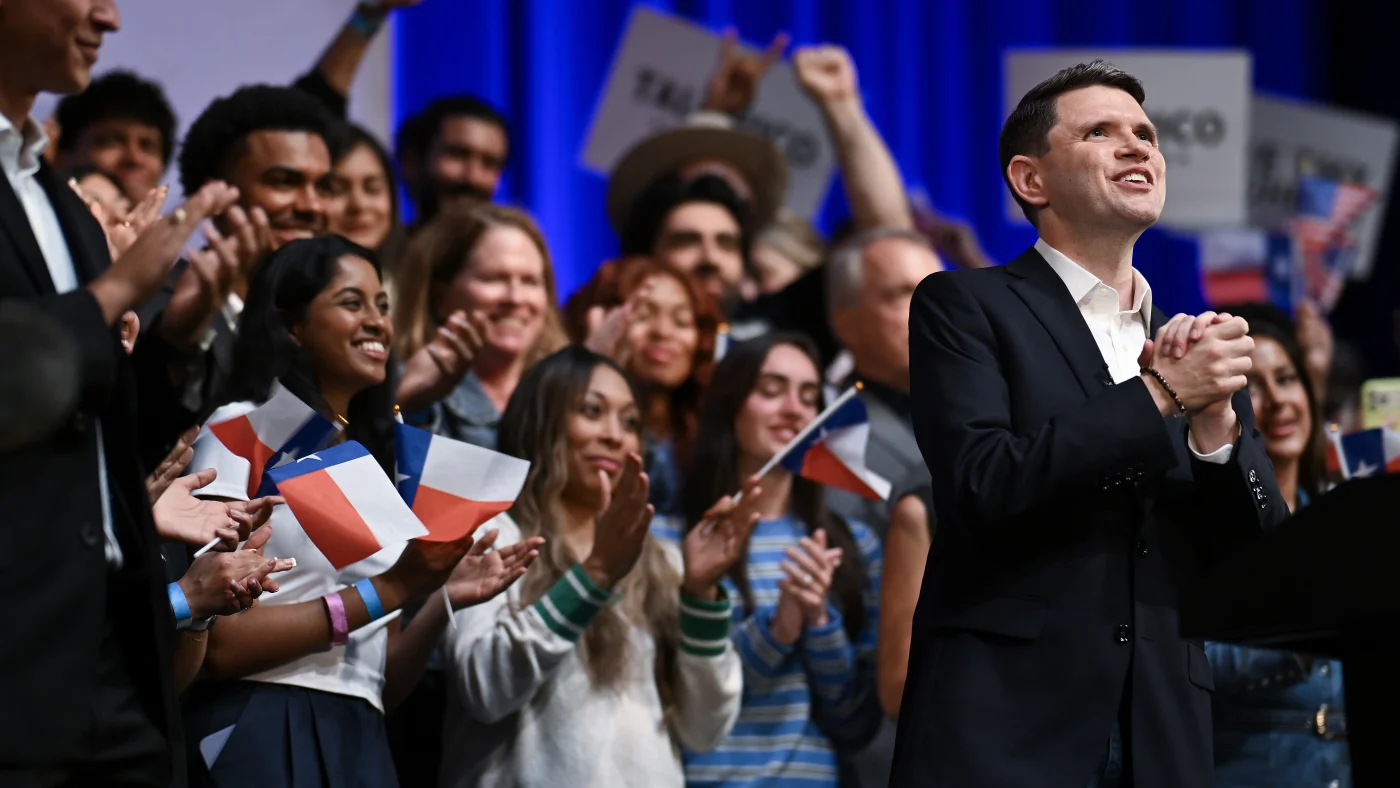
Social media users and political observers have noted an increase in visual content focused on the physical appearance and masculinity of male Democratic candidates following the 2026 midterm elections. This trend involves the circulation of montages, AI-generated images, and parody content featuring figures such as Iowa Auditor Rob Sand, Georgia Senator Jon Ossoff, and Michigan Senator-elect Abdul El-Sayed. Content creators and strategists stated that the focus on these candidates' looks is often paired with an emphasis on their professional qualifications and age.
The shift follows a midterm cycle where Democrats aimed to address a perceived deficit among male voters. According to Democratic strategist Monica Venske, there had been a feeling within some demographics that being a Democrat was not viewed as "manly." In response, candidates like Colorado Representative-elect Manny Rutinel and El-Sayed released campaign content showing them weightlifting or participating in popular culture spoofs. An NPR/PBS News/Marist Poll conducted before the midterms indicated that a majority of likely voters favored candidates with "new ideas" over those with professional experience, a sentiment that analysts link to the success of younger male candidates.
Christina Wolbrecht, a political science professor at Notre Dame University, stated that the focus on Democratic masculinity serves as a response to the version of manhood presented by Donald Trump over the last decade, which she characterized as being based on wealth and status. The emphasis on "rugged" or "authentic" male candidates, such as Montana Representative-elect Sam Forstag—a former smokejumper—was utilized by party supporters to demonstrate that the Democratic party includes traditional archetypes of masculinity. While the party also saw wins for women, including Georgia Governor-elect Keisha Lance Bottoms and Minnesota Senator-elect Peggy Flanagan, the visibility of male candidates marked a departure from the 2018 "Year of the Woman" narrative.
The trend reflects an ongoing internal debate among Democrats regarding "electability" and gender in the wake of losses by two female presidential nominees in 2016 and 2024. Professor Wolbrecht noted a growing perception among some voters that a male archetype, exemplified by figures like President Joe Biden, is necessary to defeat Donald Trump. This focus on masculinity could influence future recruitment and primary contests, as party leaders weigh whether the 2026 gains among men were a result of these stylistic choices or broader political trends.
What happens next depends on how the party interprets these midterm results heading into the next federal election cycle. While creators like Manoushka Guerrier argue the trend represents a "refreshing" shift toward hopefulness, others like Venske suggest it is a tactical adjustment to make the party more appealing to "straight male" demographics. The effectiveness of this strategy will likely be measured by whether the 7-percentage-point gain among male voters holds in future elections. Specific legislative or policy impacts resulting from this shift in candidate profiles remain to be seen as the new Congress convenes.