Voters elected Democratic attorneys general in five states previously led by Republicans, shifting the majority of state-level top law enforcement positions to the Democratic party. Candidates flipped these offices in Georgia, Iowa, Kansas, Ohio, and Texas. Additionally, the incoming governor of Alaska, a Democrat, announced an appointee to lead the attorney general’s office in that state, which was also formerly under Republican control.
State attorneys general possess broad discretion regarding which legal challenges to pursue or dismiss on behalf of their residents. Following these elections, approximately 70% of Americans will reside in a state with a Democratic attorney general. Democratic Attorneys General Association (DAGA) President Sean Rankin stated that the new officials will focus on rising costs, government accountability, and legal challenges to the federal administration.
The Republican Attorneys General Association (RAGA) described the results as the party's most significant losses in these offices since 1974. Executive Director Adam Piper attributed the defeats to the unpopularity of other Republican candidates. During a fall meeting in Dallas, Republican officials discussed strategies for 2028 and expressed concern regarding potential Democratic "lawfare," including possible efforts to change the number of Supreme Court justices or admit new states to the Union.
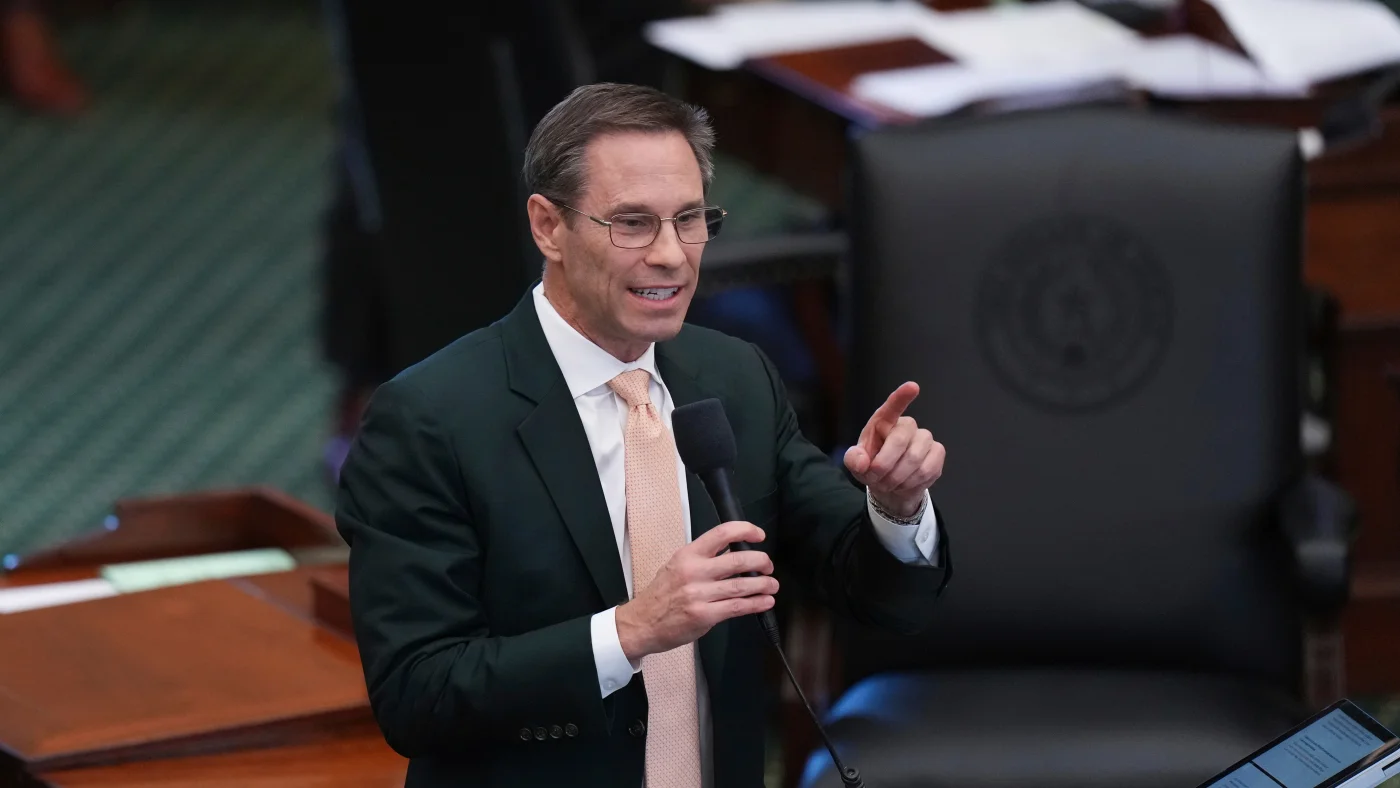
In Texas, incoming Attorney General Nathan Johnson (D) signaled he might support an anti-corruption agenda. However, he also indicated plans to support legal challenges to President Donald Trump’s efforts to construct a wall in Big Bend National Park. This marks a shift for the Texas office, which has historically been a primary driver of conservative legal causes and a training ground for prominent Republican figures like Senator John Cornyn, Governor Greg Abbott, and Senator Ted Cruz.
The scale of this shift involves six state offices moving from Republican to Democratic oversight. In Texas alone, the loss of Republican control removes a major source of legal personnel and intellectual resources for conservative litigation nationwide. Harvard Law School professor James Tierney noted that while other conservative offices exist, they lack the specific "heft" and attorney headcount that Texas provided for multi-state legal strategies. This could reduce the volume or reach of legal challenges brought against federal policies from a Republican perspective.
Conversely, the increase in Democratic attorneys general is expected to lead to more frequent legal opposition to the Trump administration. Georgia State University professor Anthony Michael Kreis noted that these officials are likely to form coalitions to file direct lawsuits against federal actions. However, some legal experts, such as Swain Wood of WilmerHale, suggest the shift could also increase bipartisan cooperation on economic issues, similar to previous multi-state settlements involving tobacco and opioid distributors. The new attorneys general will take office following their respective state transition periods and inauguration dates.