Democratic candidates in the 2026 midterm elections utilized organic social media content to compete against well-funded opponents in high-profile races. In victory speeches and post-election analysis, strategists and incoming officials attributed their success to a shift toward high-engagement video platforms like TikTok and Instagram Reels. They argued that these digital efforts helped counter significant spending by wealthy donors on traditional television advertising.
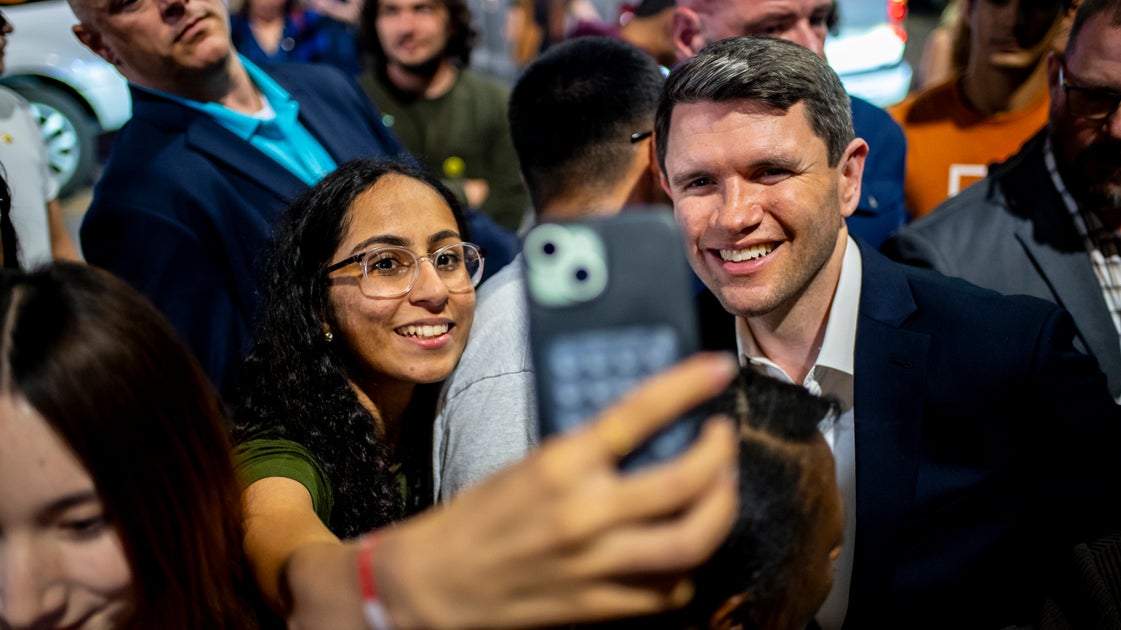
In Texas, Sen.-elect James Talarico (D) defeated Texas Attorney General Ken Paxton (R) despite approximately $158 million in spending against Talarico by Elon Musk. While Paxton’s traditional ads coincided with a slight rise in Talarico's unfavorable ratings among older voters, Talarico’s favorability among voters under 35 rose 16% between July and October 2026, according to Fox News polling. Talarico’s digital strategy included posting campaign speeches and personality-driven content to a TikTok account with over 2 million followers.
Similar trends occurred in other marquee races. In Michigan, Sen.-elect Abdul El-Sayed (D) utilized a surrogate account, AbdulHQ, which reached over 1 million followers on TikTok. In Georgia, Gov.-elect Keisha Lance Bottoms defeated a challenger who outspent her, maintaining a TikTok presence that significantly larger than her opponent’s. Strategists Parker Butler and Lauren Kapp, founders of the digital agency Luminary, stated that these campaigns prioritized "hacking the attention economy" through rapid-response videos and policy-focused content that avoided the manicured feel of traditional political ads.
The scale of this digital growth impacted national party infrastructure. The Democratic National Committee (DNC) reported that its official social media accounts reached 7 million followers, with a 501% increase in impressions and a 749% increase in engagement since 2024. Approximately 70% of these viewers were under the age of 34. This shift indicates a move toward a "surrogate account" model, where secondary pages amplify a candidate's message, potentially creating a new blueprint for how political parties compete with the established network of conservative-leaning influencers and podcasters.
What happens next involves the preparation for the 2028 presidential cycle. Potential candidates, including Pete Buttigieg, Maryland Gov. Wes Moore, California Gov. Gavin Newsom, and Sen. Jon Ossoff (D-GA), have already established TikTok presences to build similar digital ecosystems. The effectiveness of these platforms in translating online views into ballots will likely determine how both parties allocate their advertising budgets in future federal elections. No specific court dates or legislative votes related to these social media strategies were reported.