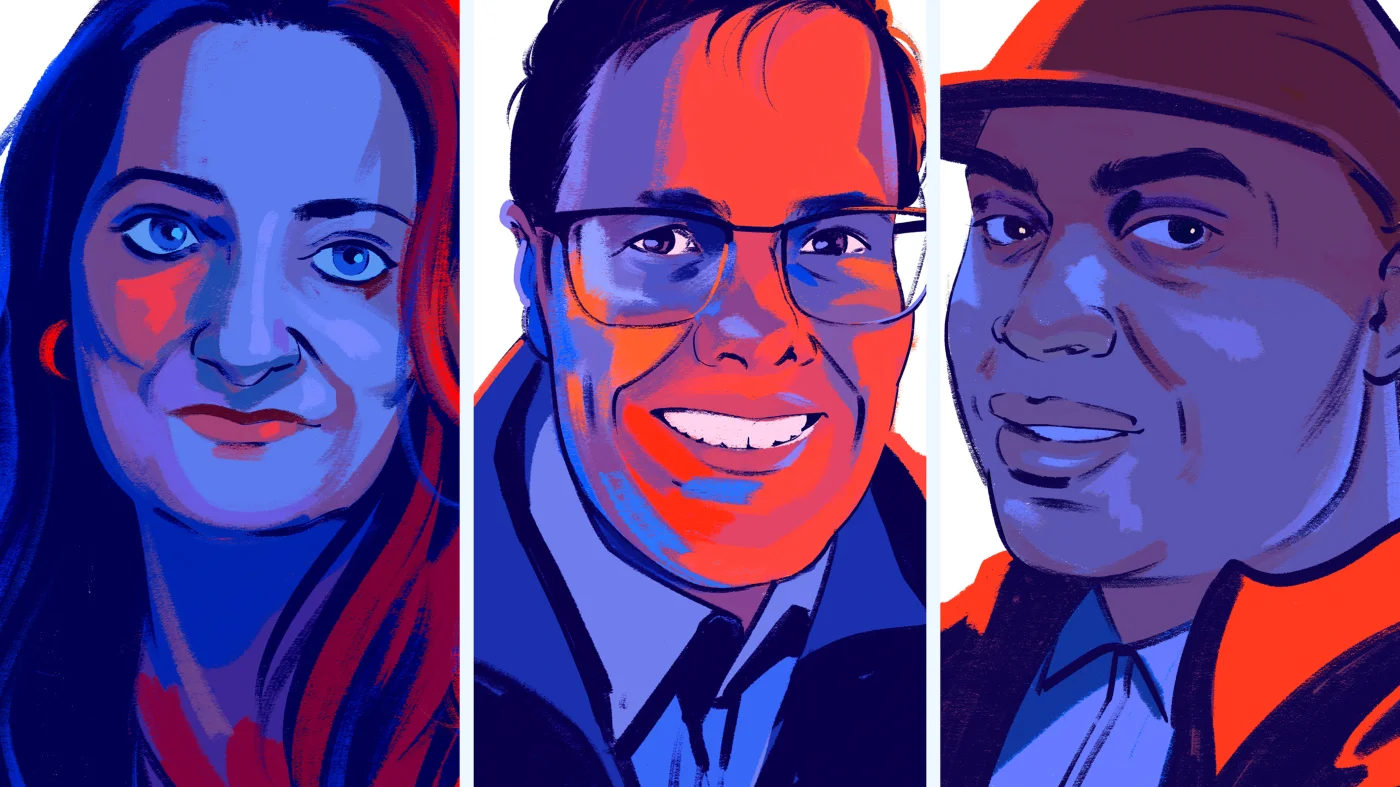
In the 2026 midterm elections, the Democratic Party secured seats in traditional Republican strongholds and is preparing to take control of Congress. Voters participating in NPR’s "Swing Shift" project, a group of swing-state residents tracking their voting habits, reported mixed reactions to the results. These voters, who reside in states such as Pennsylvania, Georgia, North Carolina, and Michigan, expressed a desire for tangible policy changes regarding the cost of living rather than political investigations.
The election results included Democratic victories in states such as Texas, South Carolina, Ohio, and Kansas. Some voters characterized the outcome as a rebuke of President Donald Trump’s style of governance. Wally, a Georgia voter who supported Trump in 2024 but switched to Democrats in 2026, said he believes the results reflect pushback on Trump's style of politics and how he governs. Michelle in Michigan, who voted for Republicans, noted that even those who did not support Democrats understood that voters were seeking relief from high gas and grocery prices.
Voters who split their tickets or remained with the Republican Party also emphasized the need for legislative focus on affordability. John, a Pennsylvania voter who supported Trump in 2024 and Republicans in 2026, stated he hopes the new Democratic Congress will cooperate with the president to lower prices. Jason, a North Carolina voter who split his ticket, expressed concern that the next two years might be defined by political infighting and impeachment hearings rather than economic relief.
The incoming Congress will operate in a divided government, as any legislation passed by the Democratic-led chambers must be signed by President Trump to become law. The president has provided inconsistent signals regarding his willingness to cooperate with the new legislative leadership. Theresa from Pennsylvania noted she fears continued political gridlock, despite her hopes for swift action on the cost of living.
The scale of the shift is defined by Democratic gains in states mentioned by voters, including Texas, South Carolina, Ohio, and Kansas. The impact will be felt by residents in these states who will now be represented by a different political party in the House or Senate. For individuals, this change may manifest in how federal resources are allocated to their districts or how their representatives vote on tax and spending bills.
What happens next: The new Congress is scheduled to take power in January 2027. Between now and then, the Democratic leadership will organize their caucuses and set their legislative agenda. The effectiveness of this new majority will depend on their ability to reach agreements with President Trump, who remains in office through 2028. The first indicators of the new political dynamic will likely emerge during the initial legislative sessions and committee assignments early next year.