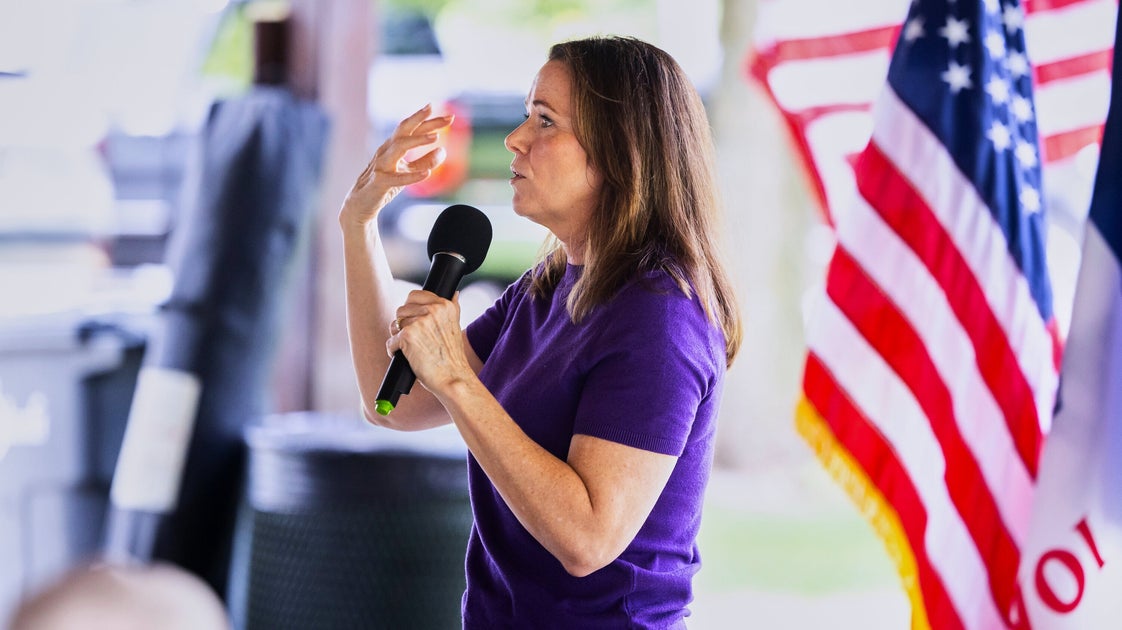
Democratic candidates secured victories in the 2026 midterm elections following campaigns that linked government corruption to the rising cost of living. In Iowa’s 1st Congressional District, Democratic challenger Christina Bohannan defeated Republican incumbent Rep. Marionette Miller-Meeks by nine percentage points after campaigning on a platform of ethics reform, including a ban on congressional stock trading and a Supreme Court code of ethics. Similar strategies were employed by Sen. Jon Ossoff (D-GA), who won by 18 points, and James Talarico in Texas, both of whom argued that corporate influence in politics has created an "affordability crisis."
The shift in messaging followed a series of reports regarding the financial activities of President Donald Trump and his administration. These included the receipt of a gifted airplane from Qatar, $1.4 billion in cryptocurrency earnings, and nearly 29,000 presidential stock trades. According to Joseph Geevarghese of Our Revolution, voters increasingly associated these instances of "self-dealing" and political donations from oil and gas companies with their own economic struggles, such as fuel prices rising above $4 a gallon during a conflict in Iran.
Exit polls indicated that 90% of the electorate considered corruption a major or crucial factor in their vote, with those voters favoring Democrats 57% to 41%. Democrats began preparing this strategy in November 2025, when polling by the House Majority PAC found that 67% of surveyed voters blamed "out of touch politicians" for high costs rather than corporations alone. While Republicans like Trump aide James Blair argued that voters were more concerned with fraud in government programs, some GOP strategists noted after the election that the party failed to establish a consistent counter-narrative.
The scale of the reported financial activities is significant, involving $1.4 billion in presidential crypto earnings and a proposed $1 billion regulatory rollback for the oil industry in exchange for campaign funds. For the average household, candidates argued these figures translate into higher daily expenses, specifically the fuel prices that recently exceeded $4 per gallon. If Democrats move forward with their proposed legislative agenda, the knock-on effects could include new restrictions for the thousands of lobbyists in Washington and a potential end to the "revolving door" where former members of Congress immediately take high-paying roles in the private sector.
The immediate next steps involve the transition of power in January 2027. Advocacy groups like Defend The Vote are currently lobbying Democratic leader Hakeem Jeffries to schedule a series of anti-corruption votes for the first day of the new Congress. These votes are expected to cover stock-trading bans, term limits, and the reversal of the Citizens United ruling. Meanwhile, Republican strategists have stated they must develop their own platform on government ethics before the 2028 election cycle to remain competitive on the issue.