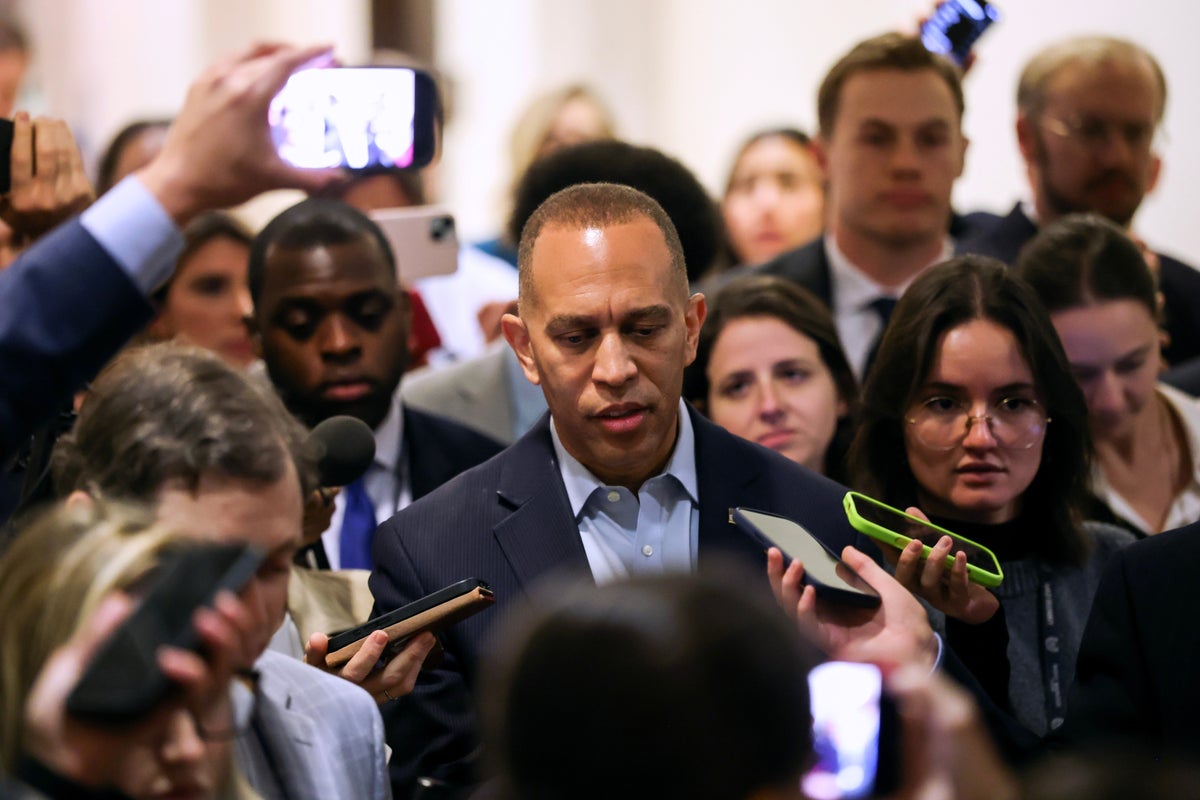
Democrats preparing to take control of both chambers of the U.S. Congress in 2027 have identified a ban on congressional stock trading and healthcare funding as top legislative goals. Party leaders in both the House and Senate stated on Thursday, November 12, 2026, that their initial focus will address consumer costs, Medicaid funding, and public ethics following recent election victories.
The proposed agenda follows an election that resulted in a projected Democratic majority of at least 255 seats in the House and a 55-44 margin in the Senate. Incoming leaders cited public dissatisfaction with political ethics and rising living costs as primary drivers for the new legislative direction. Sen. Brian Schatz (D-HI), expected to be the second-ranking Democrat in the Senate, said the party aims to act swiftly in January to address these issues.
A central component of the plan is a prohibition on members of Congress trading individual stocks. Rep. Hakeem Jeffries (D-NY), the anticipated next House Speaker, said the ban is necessary to address ethics concerns across the legislative, executive, and judicial branches. Sen. Josh Hawley (R-MO) confirmed he supports such a ban, noting that he has a related bill currently pending in the Senate. Hawley also indicated support for raising the federal minimum wage and restoring rural hospital funding.
Other reported priorities include ending the war in Iran and reversing previous cuts to Medicaid, the federal health program for low-income and disabled individuals. Sen. Raphael Warnock (D-GA) stated his goals include ending the war, removing tariffs established during the Trump administration, and reinstating healthcare subsidies. While Democrats hold the majority, most Senate legislation requires 60 votes to pass, meaning the party will need support from at least four Republicans to overcome procedural hurdles.
The legislative focus on Medicaid affects millions of low-income and disabled Americans who rely on the program for healthcare. While Sen. Schatz noted that the specific "techniques and tactics" for reversing previous funding cuts are not yet settled, a restoration of funds would impact state-level healthcare budgets and the availability of services for enrollees. Additionally, the push to reinstate expired healthcare subsidies would alter the monthly insurance premiums for individuals participating in federal health exchanges, though the exact dollar impact per household was not reported.
The use of procedural mechanisms could allow Democrats to pass certain fiscal measures with a simple 51-vote majority, bypassing the 60-vote threshold. This sets a precedent for how the new majority may handle social spending and tax policy if bipartisan cooperation fails. The outcome of these efforts will be determined after the new Congress convenes in early January 2027, with internal leadership votes scheduled for early December 2026 to finalize the party's hierarchy.