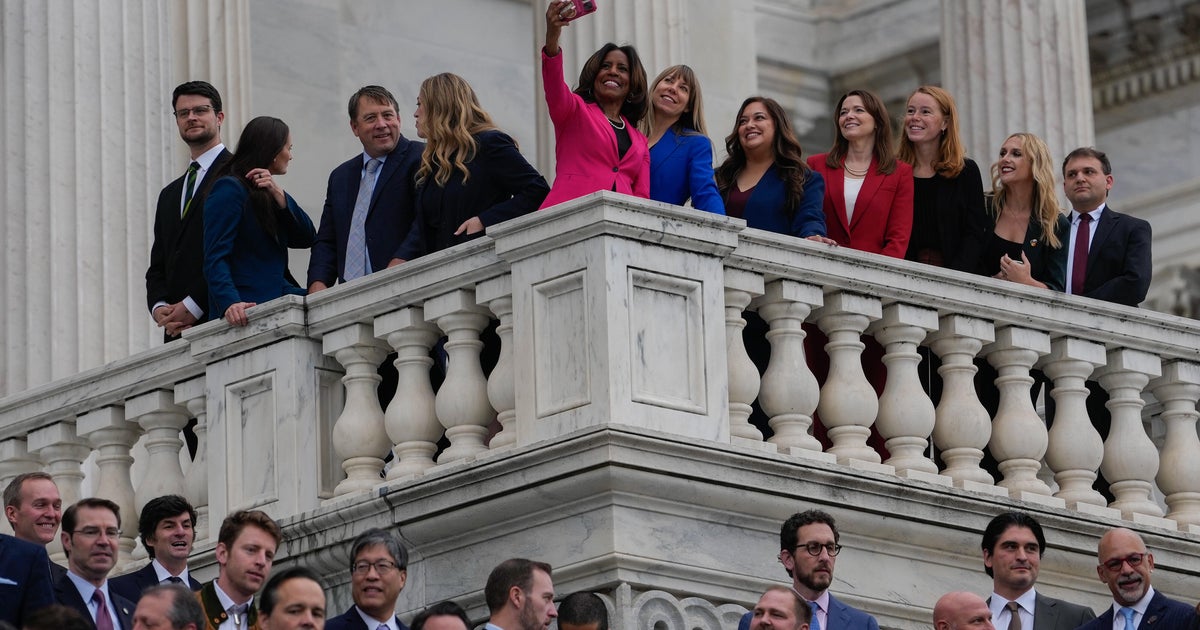
Democratic leaders and newly elected members of Congress gathered at a summit in Denver to discuss their legislative priorities after winning majorities in both the House and Senate. During the event, officials emphasized a focus on economic issues such as lowering costs and expanding housing, while debating whether to collaborate with President Trump during the final two years of his term.
The meeting followed midterm elections in which Democrats secured control of both chambers of Congress, effective next year. Pennsylvania Gov. Josh Shapiro noted that the party flipped four House seats in his state and argued that the results indicate a voter demand for results-focused governance rather than ideological conflict.
Discussions at the summit revealed differing strategies regarding the White House. Senator-elect James Talarico (D-TX) advocated for working with President Trump to achieve results, stating that the American people should not have to wait two years for change. Conversely, Gov. Mikie Sherrill (D-NJ) and Gov. Abigail Spanberger (D-VA) expressed skepticism, citing past experiences where they alleged the president did not fulfill his commitments. Spanberger proposed that Congress pass popular legislation and send it to the president's desk without prior negotiation.
A person would notice this change through the types of legislation moving through Congress starting next year. If the strategy proposed by Gov. Spanberger is adopted, voters could see a high volume of single-issue bills regarding cost reduction sent to the president for a signature or veto. This approach aims to create a public record of legislative action leading into the 2028 election cycle. The immediate impact on household bills or taxes will depend on whether these bills are signed into law or blocked by executive action.
The success of this new majority depends on maintaining a coalition that includes voters who may not be long-term Democratic supporters. Sen. Ruben Gallego (D-AZ) characterized the election victory as a "short-term loan" rather than a permanent mandate. The next steps for the incoming Congress include officially taking control of the House and Senate in January, followed by the introduction of the legislative packages discussed at the Denver summit.