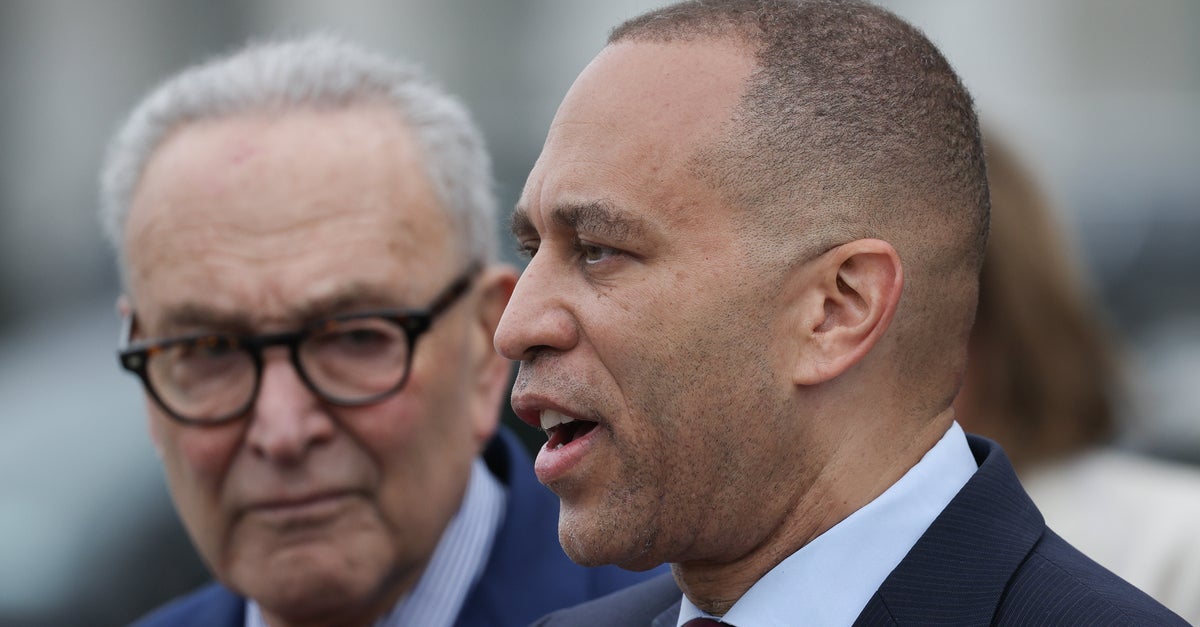
Following a congressional election in which Democrats gained a majority, party leaders are currently drafting a legislative agenda focused on "affordability" to address voter concerns regarding prices under President Donald Trump. House Democratic Leader Hakeem Jeffries (D-NY) and Senate Democratic Leader Chuck Schumer (D-NY) have outlined priorities including reversing cuts to Medicaid and the Supplemental Nutrition Assistance Program (SNAP), stopping existing tariffs, and extending Affordable Care Act tax credits. The party is also considering legislation to ban stock trading for members of Congress, the executive branch, and the courts.
The transition to a new Congress faces a potential leadership challenge in the Senate. Sen. Chris Van Hollen (D-MD) has announced he is challenging Schumer for the role of majority leader. Van Hollen is advocating for a different tactical approach to upcoming government funding deadlines, specifically proposing that Democrats use the December 11 funding expiration to demand an end to the current conflict in Iran. This strategy mirrors a 2025 event where Democrats allowed a government shutdown to demand health care subsidies; while the subsidies were not secured, party members noted the action affected the president’s approval ratings.
Democratic lawmakers are divided on whether to seek bipartisan cooperation with the White House or focus on bills that the president is likely to veto. Some members, including Senators-elect James Talarico (D-TX) and Abdul El-Sayed (D-MI), have suggested pitching policies like expanded healthcare to the president by allowing him to take credit for the initiatives. Sen. Michael Bennet (D-CO) indicated there may be an opportunity for a bipartisan deal on immigration, specifically the Dream Act, which provides a pathway to citizenship for those brought to the U.S. as children. However, others, such as Sen. Tim Kaine (D-VA), expressed skepticism, citing past instances where the president withdrew support for bipartisan immigration proposals.
The scale of the "affordability" agenda also extends to the federal minimum wage, which has not been increased since 2009. While a specific target hourly rate has not yet been agreed upon by House and Senate leadership, any increase would affect millions of low-wage workers across the country. Furthermore, the decision on whether to trigger a government shutdown on December 11 will determine if federal employees face furloughs and if public services, such as food aid processing, are temporarily halted during the winter months.
What happens next: Senate Democrats will vote on their leadership positions before the new Congress begins in January. The first major deadline is December 11, 2026, when current government funding expires. Following that, the party intends to introduce its primary legislative package during the first 100 days of the next Congress. Whether these priorities become law depends on the president's willingness to sign them or the Democrats' ability to navigate his promised use of the veto pen. Provisions regarding the federal minimum wage and immigration reform remain in the planning stages as the House and Senate coordinate their specific requirements.