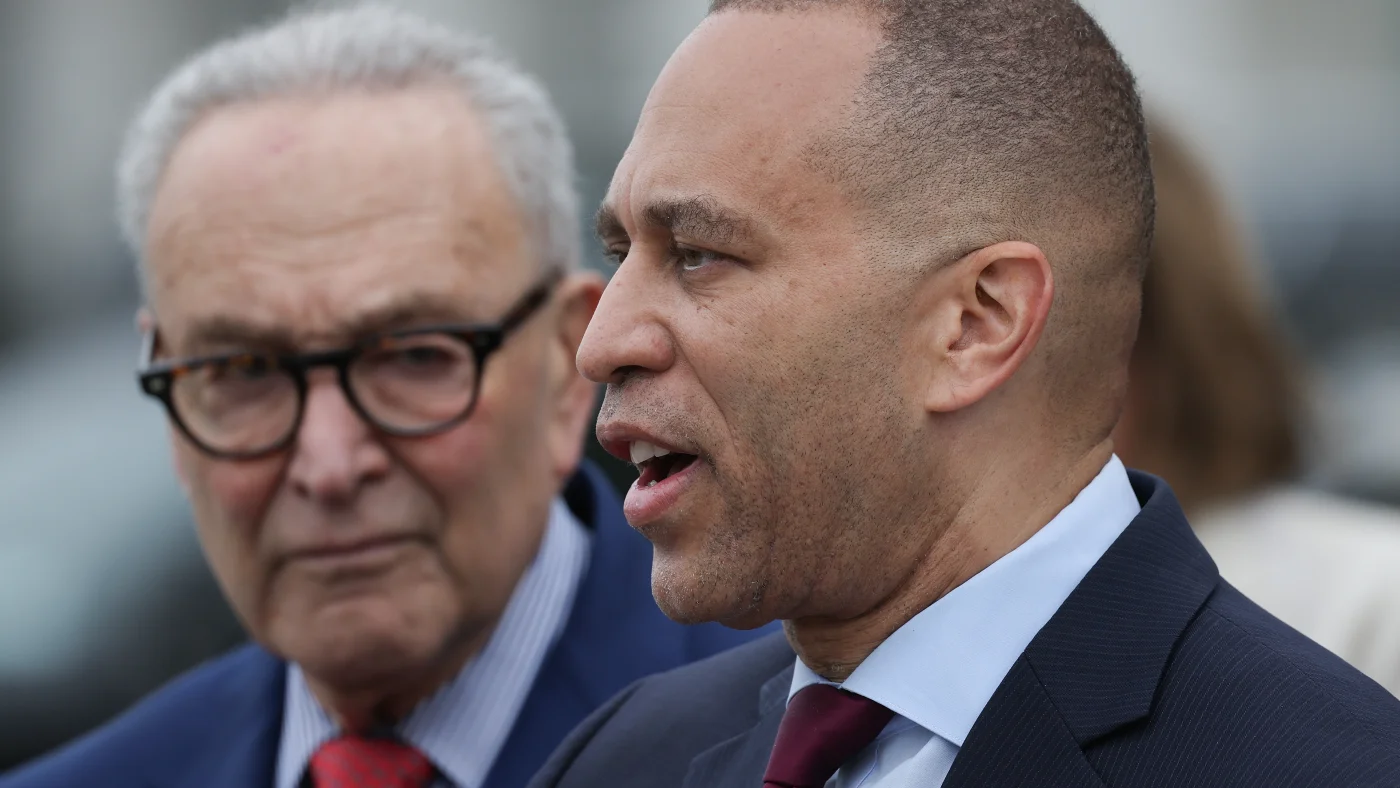
Democratic congressional leaders announced plans to prioritize cost-of-living legislation following the 2026 midterm elections, where the party won control of both the House of Representatives and the Senate. Rep. Hakeem Jeffries (D-NY), the presumptive House Speaker, and Sen. Chuck Schumer (D-NY) stated on Tuesday and Wednesday that the party intends to focus on issues of affordability when the new Congress convenes in January. The leaders acknowledged public skepticism regarding whether divided government can deliver economic relief, as the party lacks the two-thirds majority required to override a presidential veto.
The shift in power follows a period where President Trump and Republican leadership in the House, led by Speaker Mike Johnson (R-LA), influenced the legislative agenda. Analysts from the Center for American Progress and Third Way noted that while Democrats now control which bills reach the floor for a vote, they face potential Republican filibusters in the Senate and opposition from the White House. President Trump has sent mixed signals regarding the new dynamic, stating on November 5 that he would "veto everything" while also suggesting he could "make deals" with Democrats.
Democratic priorities for the upcoming session include legislation to address healthcare costs, reinstate enhanced premium tax credits, and reverse Medicaid cuts. Sen. Elizabeth Warren (D-MA) has called for using budget reconciliation, a legislative tool that allows certain budget-related bills to pass with a simple majority, to reverse healthcare cuts, expand healthcare coverage, and fund universal childcare. Additionally, Democrats plan to reassert authority over tariffs and introduce a war powers resolution to end the war in Iran, which has impacted fuel prices.
The scale of the legislative shift is defined by the transition from a Republican-led House to a Democratic majority in both chambers starting in January 2027. However, the day-to-day impact on citizens' paychecks and prices remains subject to the executive branch's response. If President Trump uses his veto power, as he signaled on November 5, 2026, the proposed healthcare and childcare benefits will not take effect. Furthermore, fuel prices are unlikely to drop immediately, as lawmakers do not have direct control over global oil markets, and presidents have historically sidestepped war powers resolutions.
The next steps for the incoming majority involve drafting specific appropriations bills and reconciliation measures before the new term begins. Democrats may also use appropriations to prohibit funds for military operations in Iran as a way to circumvent executive resistance. The concrete results for voters will depend on whether bipartisan deals are reached or if the two years leading up to the 2028 election are defined by legislative stalemate and vetoes. The new Congress is scheduled to be seated in January 2027.