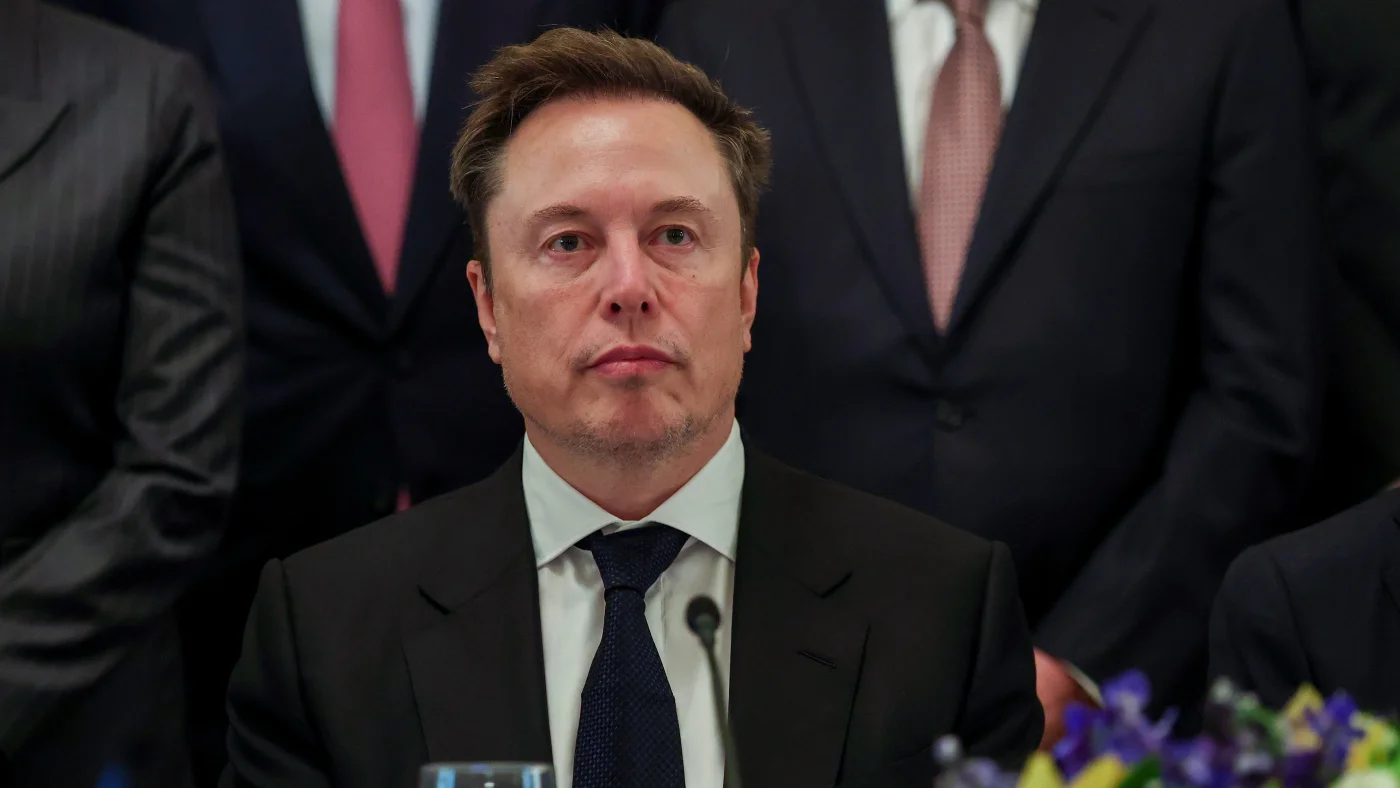
Democratic lawmakers announced plans to investigate Elon Musk’s political influence and government contracts following Democratic victories in the U.S. House and Senate midterm elections. The billionaire head of Tesla and SpaceX, who served as a leader of the Department of Government Efficiency (DOGE) during the start of President Trump’s second term, faces scrutiny over potential conflicts of interest and his interactions with foreign leaders.
The moves follow a midterm cycle in which Musk was the top donor, contributing more than $445 million to Republican candidates and political action committees, according to federal filings analyzed by OpenSecrets. Despite this spending, many of the candidates he supported lost their races, including high-profile Republican incumbents in Texas, where Musk has moved the headquarters of several of his major companies.
Lawmakers, including Rep. James Walkinshaw (D-Va.) and Sen. Chris Coons (D-Del.), stated they intend to examine whether Musk used his administrative role to benefit his private businesses. According to the Democracy Defenders Fund, Musk’s companies received at least $6.3 billion in government contracts during his four months leading DOGE, followed by an additional $10 billion since that time. Rep. Mike Levin (D-Calif.) also raised questions regarding Musk’s decision to restrict Ukraine's use of Starlink satellite services in October and his reported communications with Russian President Vladimir Putin.
For the general public, the scrutiny centers on the "Department of Government Efficiency," a body Musk led to recommend cuts to public services and federal staffing. Residents who rely on those services or work for federal agencies would be the first to notice changes in government functionality or job security. Legal experts, such as former White House ethics lawyer Richard Painter, noted that as a "special government employee," Musk was legally prohibited from participating in official matters affecting his personal finances. If investigations find that Musk influenced contracts for SpaceX or Tesla while in his government role, it could lead to legal challenges or changes in how the government awards multi-billion dollar technology and defense contracts.
The outcome of these congressional inquiries could set a precedent for how the U.S. government manages billionaires who hold both high-level advisory roles and significant federal contracts. While market indexes rose following the election, shares in SpaceX fell nearly 4% and Tesla dropped 3% on Wednesday. What happens next depends on the formal convening of the new Congress, where Democratic committee chairs will have the authority to issue subpoenas and hold hearings. Dates for these proceedings have not yet been scheduled, but Sen. Coons and Rep. Walkinshaw have already signaled their intent to call Musk to testify under oath. Musk did not respond to requests for comment but posted on X that his efforts to influence the election were unsuccessful.