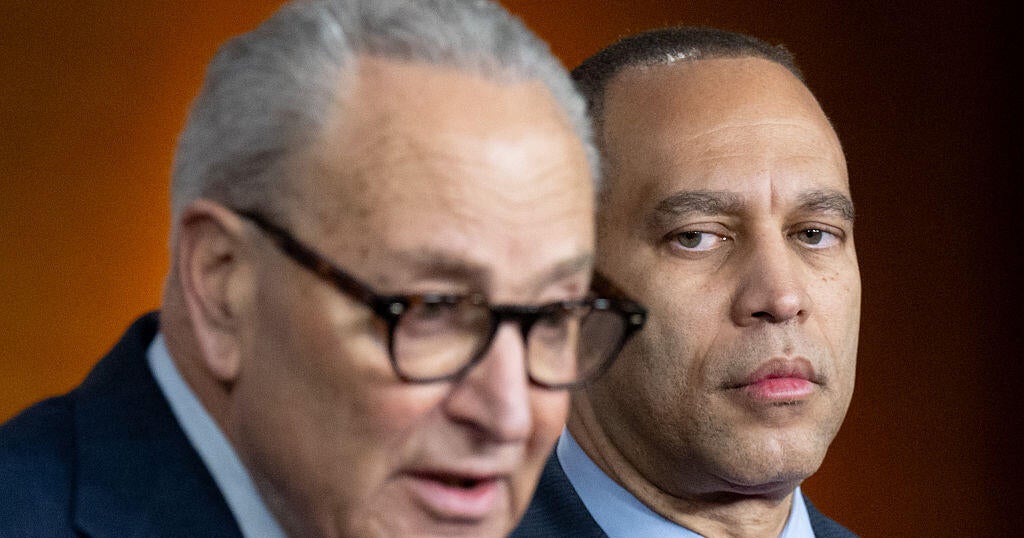
Democrats have begun planning legislative efforts to end the military conflict with Iran following the 2026 midterm election cycle that granted the party majorities in both the House and Senate starting next year. Members of the incoming majority have stated they intend to use congressional "power of the purse" to pressure President Trump into winding down the war, which they characterize as a "war of choice" conducted without congressional authorization. The Trump administration has defended the military action as within the president's constitutional authority as commander in chief and has dismissed prior congressional attempts to limit hostilities as unconstitutional.
The conflict, which the Pentagon estimated has cost more than $47 billion, has involved occasional strikes and a U.S. naval blockade of Iranian ports. While large-scale offensive operations have decreased recently, tensions persist as U.S. forces escort oil tankers through the Strait of Hormuz and respond to what the military describes as imminent threats. President Trump recently called on Senate Republicans to "IMMEDIATELY" pass a $350 billion defense spending package before the new Congress is sworn in. However, a House-passed budget blueprint providing only $60 billion for the Pentagon has stalled in the Senate for four months due to Republican internal divisions.
Congressional Democrats are considering several avenues to restrict the war, including a Dec. 11 deadline for a government funding extension. Sen. Chris Van Hollen (D-MD) and others have argued that any spending deal must include language restricting funds for hostilities in Iran. However, incoming House Foreign Affairs Chair Gregory Meeks (D-NY) and Rep. Rosa DeLauro (D-CT), the incoming House Appropriations Chair, have expressed caution about using a stopgap bill as leverage, citing the risk of a government shutdown. Alternative strategies include passing a binding War Powers Resolution or introducing amendments to the National Defense Authorization Act or future debt limit increases.
The outcome of this legislative effort will directly affect U.S. military personnel currently engaged in the Gulf region and the Strait of Hormuz. According to Pentagon estimates, the conflict has already cost over $47 billion. If Democrats successfully use the appropriations process to block funding, proponents argue it could force an end to the conflict they blame for price increases for American consumers, though the scale of that economic impact per household was not reported.
The shift in congressional power affects the legal rights of the executive branch to conduct military operations without a formal Declaration of War or an Authorization for Use of Military Force (AUMF). A successful funding block would follow a precedent last exercised during the 1970s regarding the Vietnam War. Conversely, if the Trump administration defies a funding ban by citing constitutional authority, some Democrats have suggested it could lead to legal confrontations or impeachment proceedings against officials like Defense Secretary Pete Hegseth.
The immediate focus is the Dec. 11 deadline to prevent a federal government shutdown. Lawmakers must decide whether to attach war restrictions to a short-term funding bill or wait until the new Democratic majorities take control in January 2027. Senate Republicans, led by Majority Leader John Thune (R-SD), have until Thanksgiving to decide whether to attempt a party-line budget reconciliation to pass the requested defense infusion. Once the new Congress is seated, Rep. Meeks has pledged to support efforts to end the war, and Rep. Hakeem Jeffries has indicated Democrats will vote on a resolution "that has the force of the law."